
THE rate of comic book movie reboots seem to be accelerating as time goes on, with a scant five years between The Batman and 2017’s Justice League, which featured Ben Affleck playing an older and more grizzled version of the Caped Crusader.
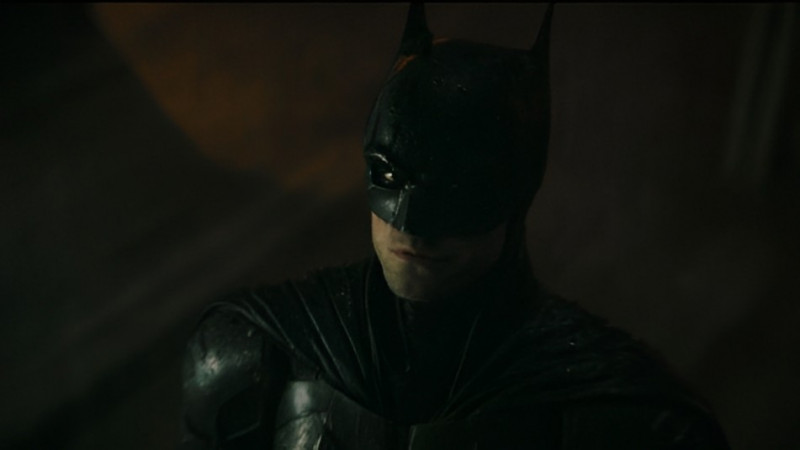
In contrast, this new film features Robert Pattinson as a younger version of the character, who has been fighting crime for two years. And though Christian Bale also played a younger version of Batman in 2005’s Batman Begins, Pattinson truly looks and behaves like an upstart vigilante.
And though the last two paragraphs attest to Batman’s enduring presence on cinema screens in the last couple of decades – to the point of oversaturation, according to some – The Batman can stand on its own as a unique depiction of the character.
Directed with aplomb by Matt Reeves, with a script he wrote with Peter Craig, The Batman is more of a crime thriller/murder mystery than it is an out and out action movie. While there are well shot and choreographed fight scenes, which showcase Batman’s fighting prowess and his array of gadgets, as well as an intense car chase, this film indulges in the quiet moments of contemplation and investigation.
Perhaps the film does that too much though, given its super-sized three hour running time, which is longer than all the beloved Christopher Nolan films in the Dark Knight trilogy, and most Marvel movies, except for Avengers: Endgame. The Batman is not afraid to go slow and play things out, but the pacing does suffer at times.
Viewed charitably, the long-running time is a vote of confidence by Warner Bros in the franchise, but how could it not be, as besides Spider-Man no other comic book character has endured as successfully over the decades.
Having previously directed the most recent Planet of the Apes movies, Reeves has shown time and again how capable he is at directing big blockbusters that have a lot more on their mind. Here, there is a lot of commentary on citizens’ distrust of institutions, such as politicians and the police. This will likely resonate with many, but while heavy-handed at times, it works within the heightened reality of Gotham City.
This idea of heavy corruption with government institutions has long been part of the Batman ethos, especially in some of the more grounded graphic novels, such as Year One. The exception to that corruption is embodied in James Gordon, here just a lieutenant, and played masterfully by the always great Jeffrey Wright.
As Bruce Wayne/Batman, Pattinson is heavy on the emo, which again, fits into the relative youth of this version of the character. He is emotionally wounded, but you can tell there’s a coiled rage beneath the surface. It’s too early to tell where he stands in the pantheon, but he does a good job making the character his own.
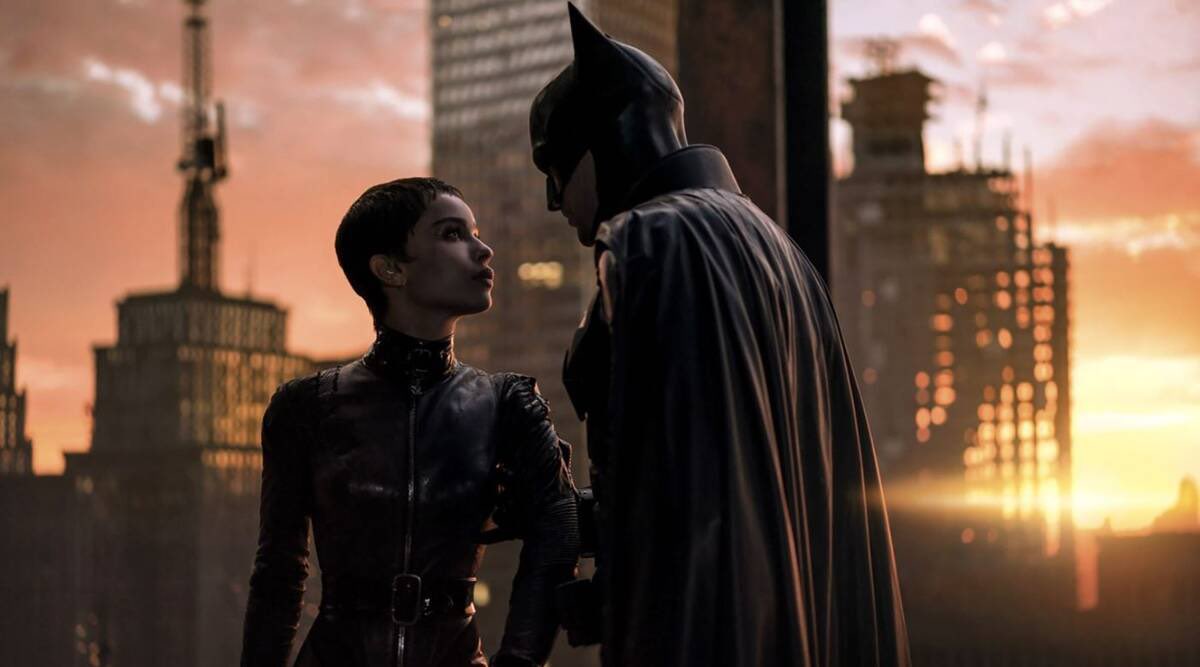
One way his character stands out against many other contemporary superheroes is his sizzling chemistry with Zoë Kravitz’s Selina Kyle. Though she doesn’t go by Catwoman, she has all the characteristics of the classic femme fatale who sometimes gets under Batman’s skin – in more ways than one.
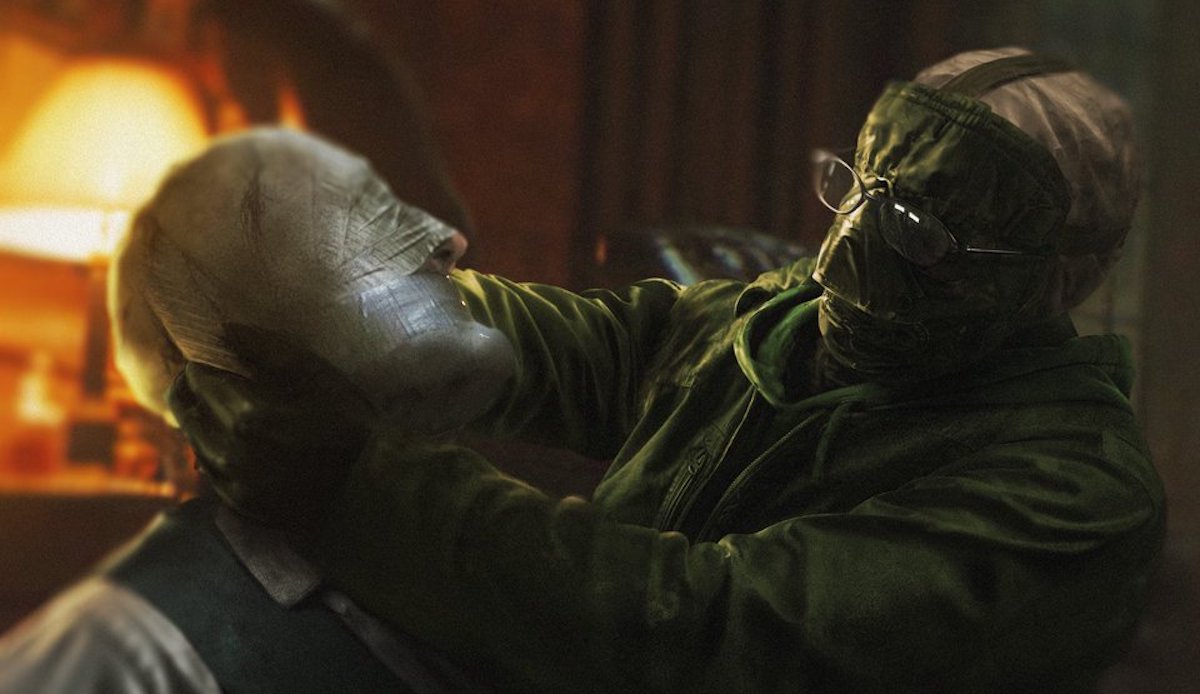
There are probably too many villains in the movie, though they are all acted well and fit into the larger goal of making Gotham City into a larger-than-life backdrop for Batman to wage his war on crime. John Turturro has a lot to chew on as mob boss Carmine Falcone and Colin Farrell is unrecognisable as the Penguin, having a lot of fun beneath the prosthetics.
In The Batman's biggest tip-off to the heavy debt it owes to the films of David Fincher, specifically Se7en and Zodiac, Paul Dano plays a serial killer version of The Riddler, who sparks terror in Gotham with the help of social media in a way that is all too believable. His character terrifyingly recalls plenty of real-world terrorism.
Masterfully shot by cinematographer Greig Fraser (Dune, Rogue One) and filmed in Liverpool and Glasgow, among others, The Batman has a distinctive visual style compared to previous versions of the Caped Crusader. It is not the grounded realism of The Dark Knight, which featured a barely dressed up Chicago, but has a more gothic feel – though it does not go as far as the gonzo version of Tim Burton’s early 90s movies.
Another standout is Michael Giacchino’s score, which will likely live on beyond the movie it is meant to accompany. It is suitably operatic and gothic, once again helping it stand out against previous iconic Batman scores.
The Batman’s focus on widespread corruption makes it relevant today, however, it does not fetishise vigilantism. There might be limits to superheroism after all. – The Vibes, March 3, 2022

.jpg)