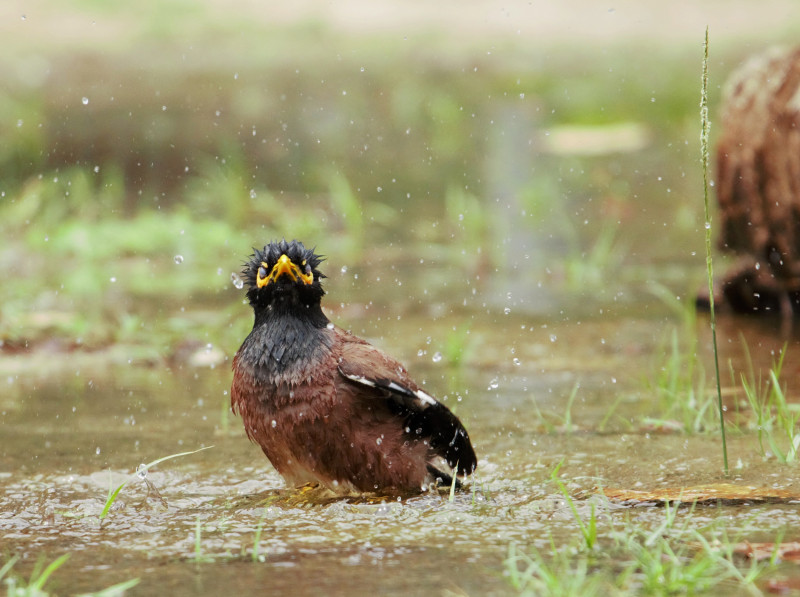
WATCHING a bird luxuriating in a puddle bath is mesmerising. This Common Myna is exhibiting signs of relief and having a joyful time splashing away while being oblivious to my presence. This moment was captured with my lens in April 2019.
Langkawi island is located in the most northern part of Peninsular Malaysia and the island goes through a distinct dry season from December to April. There are some bursts of short rainfall in between and normally, February is the hottest month of the year.
This is the period of the Northeast Monsoon where an abundance of rain hits the East coast while Langkawi gets the windy, dry and hot weather.
In this season, one can expect temperatures between 32°-36°C, beyond 38°C on some days and 40°C on an erratic day. Some of our waterfalls here have much lesser flow and others only have trickles of water.
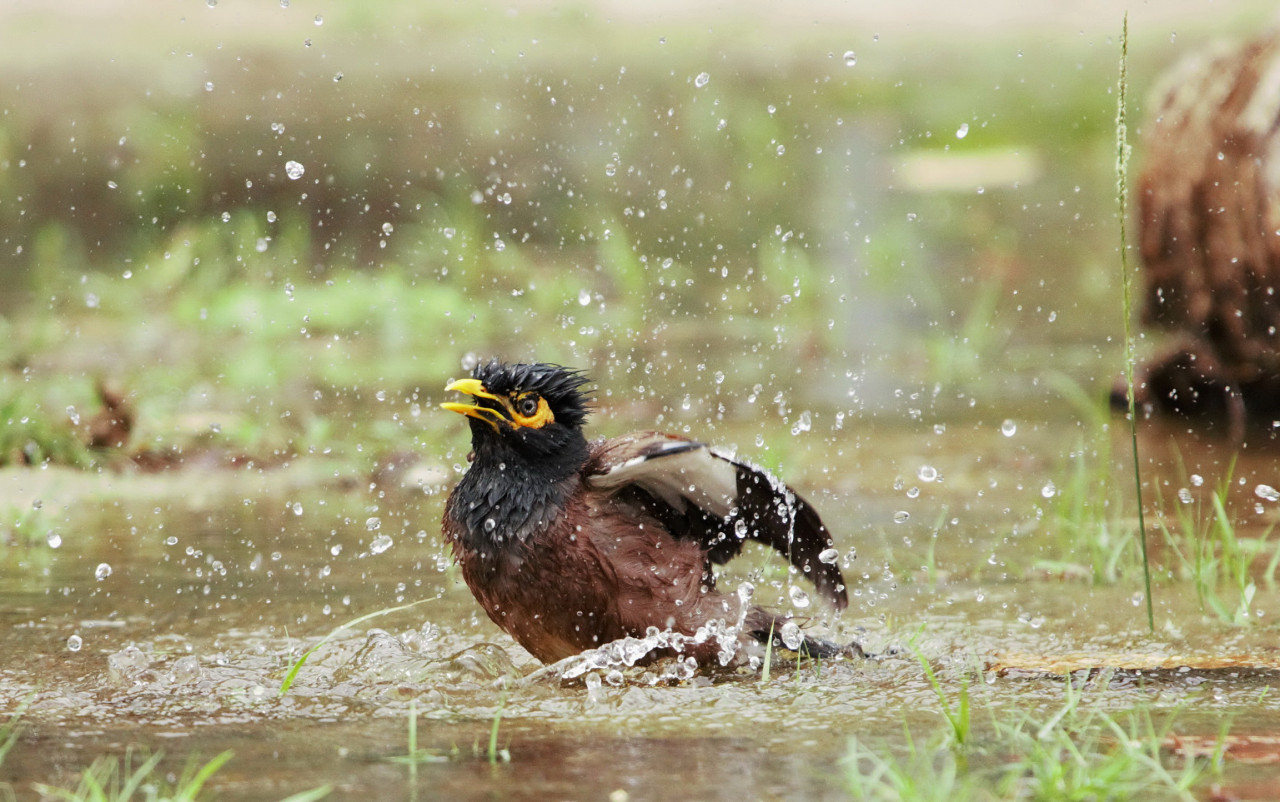
Water and mud pools are limited and most of them can be found in the reeds habitat and water retention ponds. The wildlife and people of Langkawi endure the extreme heat, humidity and scorching sun and the return of short rainfall give us some temporary relief.
During this time, Langkawi has countless sunny days of cloudless bright blue sky that bring awesome sunsets, calmer beaches and Instagrammable scenery. The hot season triggers the flowering cycle and is crucial for most of our native forest trees as well as plantations. Taking a slow boat cruise into the famous mangroves of Kilim Geoforest Park allows one to witness patches of vibrant red, yellow and orange scatter across the karstic outcrops.
A majority of the trees on the limestone hills will shed their leaves. Then after they produce flowers and some will generate new leaves.
Bird nesting season begins at the start of the dry season for some resident birds such as sunbirds, hornbills, raptors, other passerines and non-passerines. For the twitchers, this would be a good time to tick off more lifers when common and uncommon migrants checked in before November. Most of the common migratory birds stay on until late April.
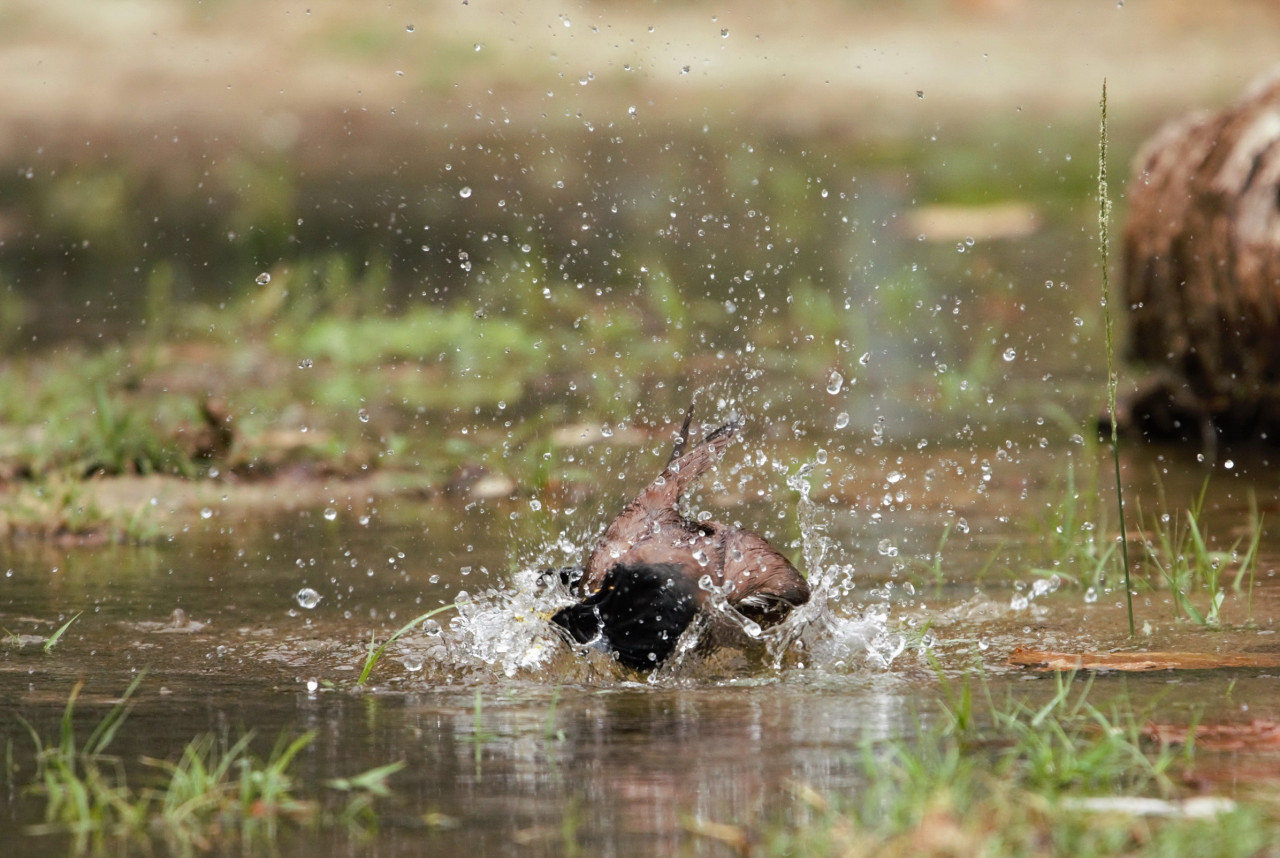
The bird image here is our resident and very common bird known as Common Myna (Acridotheres tristis). Comical and noisy at times, they can be seen almost everywhere on the island except in the dense lowland rainforest and the hillsides. Even though Common Mynas are considered pests and an invasive species, they somehow help in pest control, provided this species is not overpopulated.
A check and balance of our natural ecosystem is very crucial that this species and other invasive species like crows do not dominate the native birds. – The Vibes, March 13, 2022
Wendy Chin is an independent freelance and licensed nature guide based in Langkawi, where she specialises in customising nature experiences such as Birdwatching and Mangrove Tours. Her other interests include wildlife photography, nature blogging. Wendy can be contacted via email: [email protected] or on her Facebook page Langkawi Nature Guide