
BAZ Luhrmann is not a subtle director.
Known for loud and proudly brash films like Moulin Rouge!, Romeo + Juliet, and The Great Gatsby, he has a distinctive style that can be overwhelmingly in your face, but when it comes to bringing the life story of The King of Rock & Roll himself, Elvis Presley, to the big screen, he feels like the right man for the job.
Stretching from his ‘discovery’ in the early 1950s when he burst onto radio stations in the Deep South of the US, all the way to his untimely and tragic death at the age of 42 in 1977, Elvis (the movie) follows many of the expected beats and tropes of music biopics like Bohemian Rhapsody and Walk the Line. Whole swaths of Elvis’ life are reduced to montages, and a messy life is turned into a greatest hits compilation.
In that regard, the goofiest aspect of this movie is the framing device, wherein an ageing and sickly Colonel Tom Parker, who was Elvis’ manager, wanders through an empty Las Vegas casino in a dreamlike haze, narrating the events of his life and relationship with Presley.
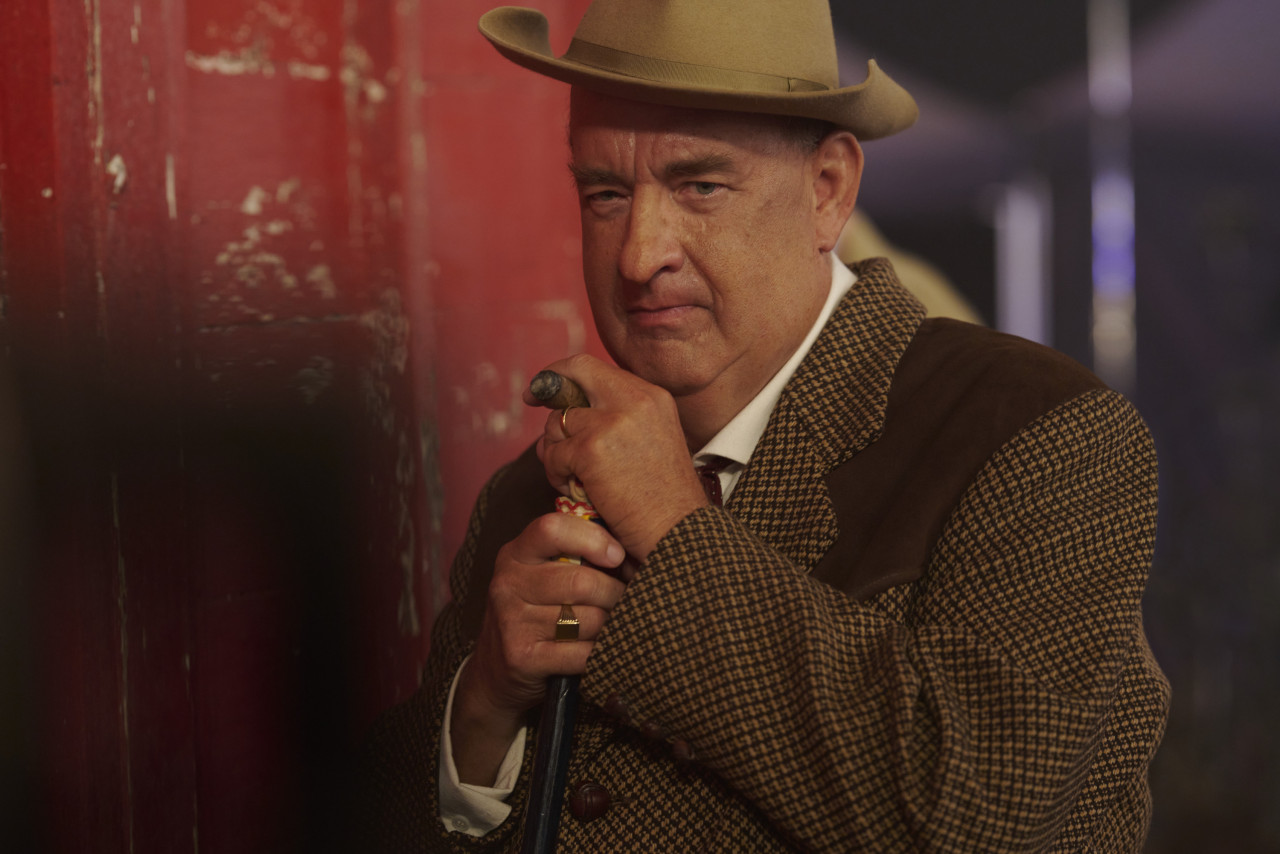
Parker is played by Tom Hanks, one of the great actors, who always imbues his characters with a certain gravitas. But here he’s wearing a fat suit… and he’s speaking in a cartoonish Dutch accent. It’s a strong departure from Hank’s persona as ‘America’s dad’ but it’s not what anyone would call a grounded performance.
As the film starts, Parker is a self-professed carnival barker who represents a roving band of singers and musicians, going from state fair to state fair, when he hears Elvis singing over the radio. Like many others, he assumes the voice is black in origin, but is astonished to learn that it’s actually from a white boy.
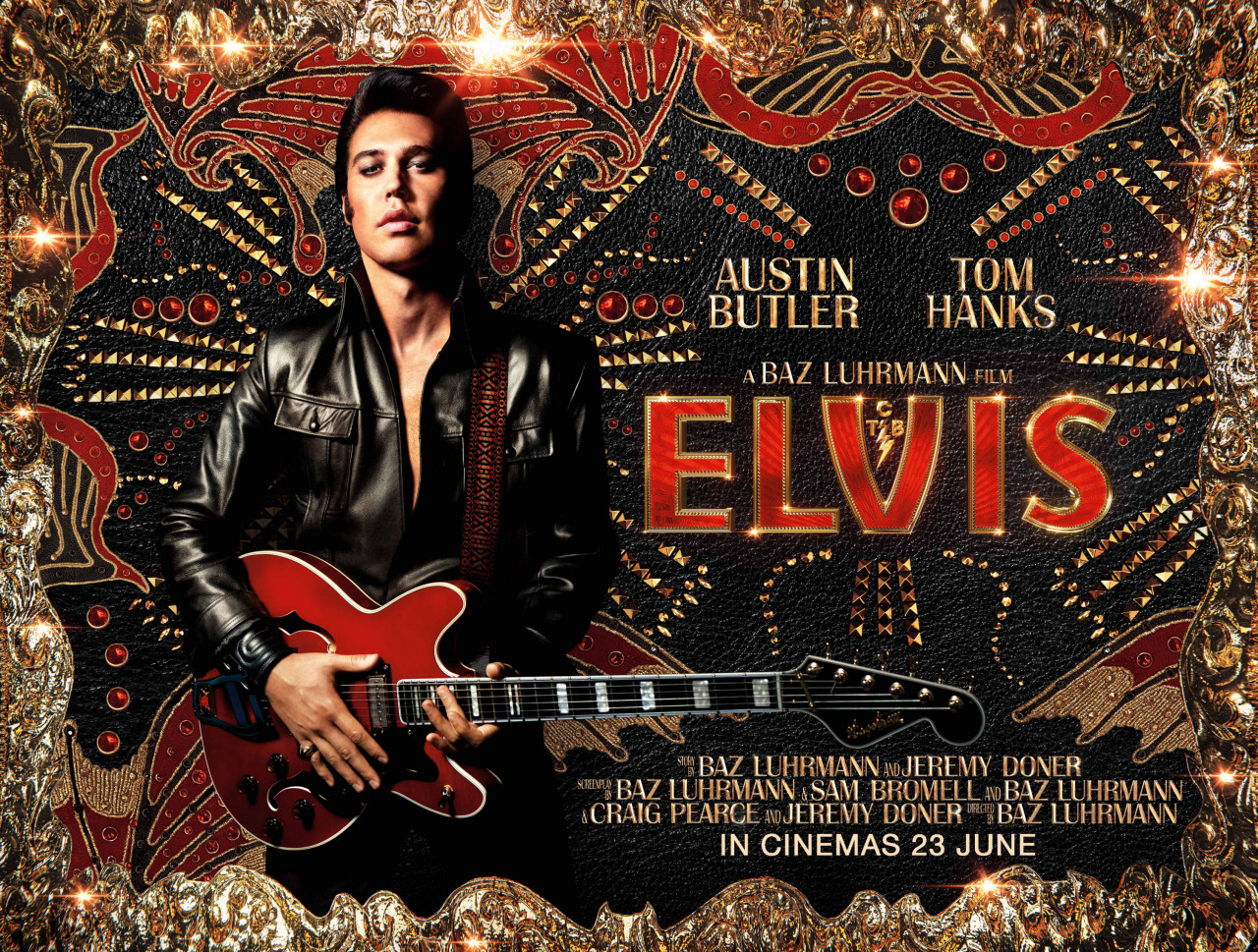
Playing Elvis himself is Austin Butler, who according to IMDB has been acting since 2006, but this role is his biggest so far, and he seems poised to be one of Hollywood’s new ‘it’ actors. Based on his performance here, his success seems earned, as he is able to embody Elvis’ swagger and inner sadness – in addition to the superficial aspects like his iconic voice and taboo-defying dancing. For most of the movie, it is actually him singing as Elvis and he pulls it off.
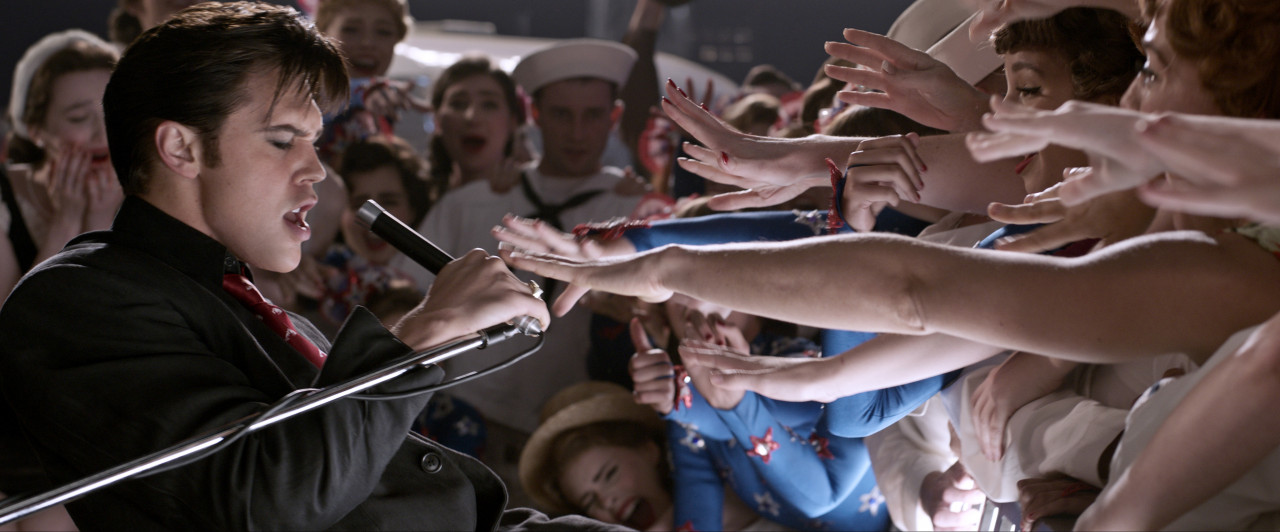
What the movie does really well with its manic energy is capture what a truly transgressive cultural force Elvis and rock and roll were during a much more conservative time. Of course, looking back from where we are today, the moral and social panic that gripped America seems rather quaint.
But the way the film depicts the simple cause and effect of Elvis aggressively shaking his hips on stage and what it awakens in seemingly repressed girls (and their mothers) explains quickly and very effectively one of the core aspects of his stardom. Yes, the music is great, but the intrinsic connection between sex and rock and roll is inescapable.
Standing behind the curtain at this very moment, Parker isn’t paying attention to the singing, but instead, he sees this reaction in the women in the crowd. The film is just a couple of steps away from showing Hanks with dollar signs in his eyes.
Refreshingly, Elvis (the movie) is very upfront with how it tackles race, often serving as a celebration of black culture, specifically music, with legends B.B. King and Little Richard featured as characters. And once again, like he’s done before, Luhrmann throws in modern music by artists like Doja Cat and Tame Impala that seem out of place, but aim to evoke a feeling. It’s a bold touch that can be a bit distracting.
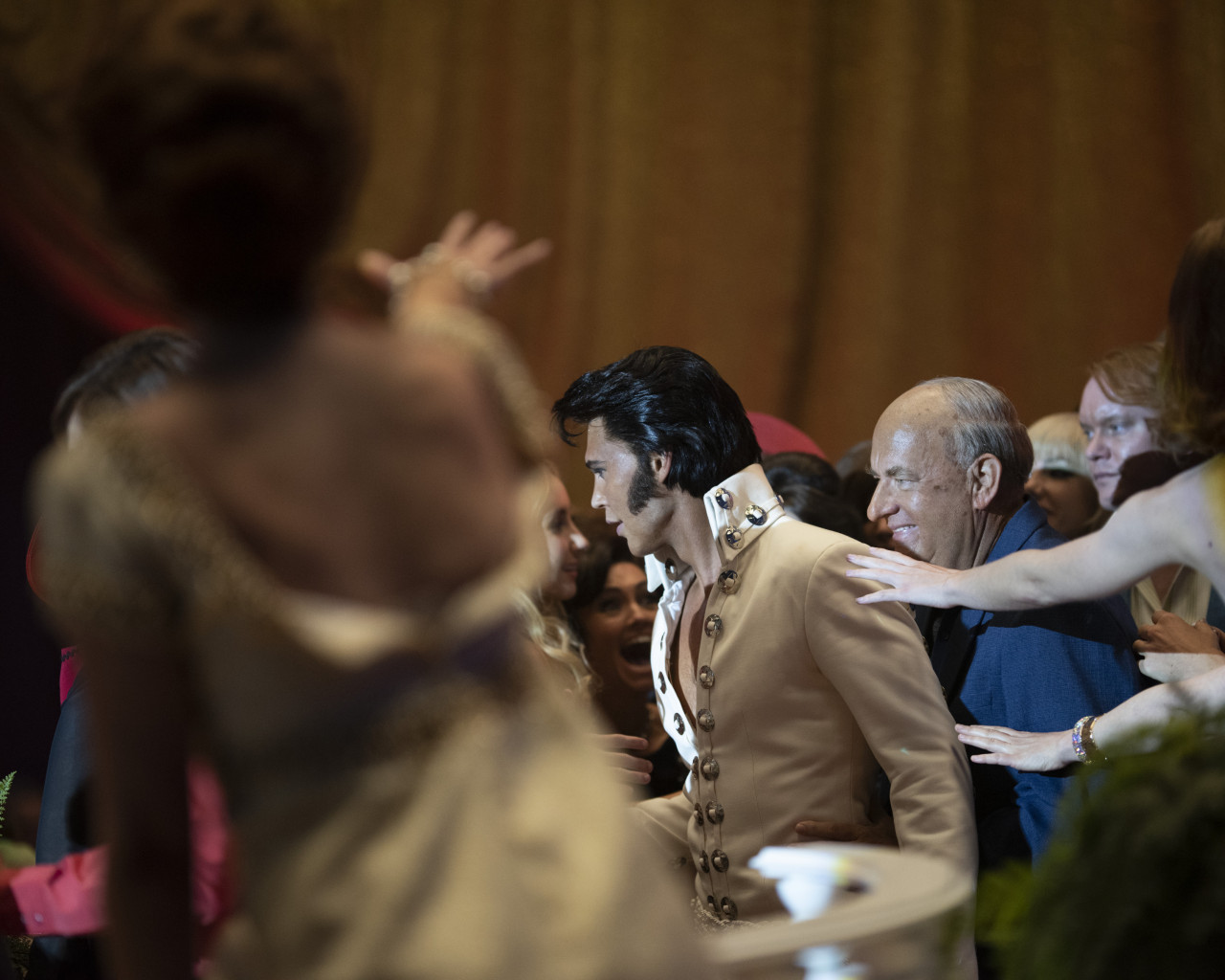
The core of the film is the poisonous relationship between Presley and Parker, how the latter helps the former reach unparalleled heights of success – while sucking him dry. It is a parasitic connection that Presley only realises when it’s too late, which is the ultimate tragedy.
It may not break new ground as a biopic, losing a bit of steam towards the end, but with a strong lead performance from Butler, dynamic visuals and iconic music, it’s a compelling addition to the subgenre.
Watching it with an Elvis diehard, the film is both a triumphant celebration of a significant cultural figure, as well as a sad parable about the price of fame. – The Vibes, June 23, 2022

.jpg)