IN Malaysia, documentaries and non-fiction narratives rarely ever make it to the silver screens (in recent memory, R.AGE’s Eye on The Ball in 2020 was the only one to have a nationwide cinematic release). That is where Freedom Film Festival (FFF) comes in.
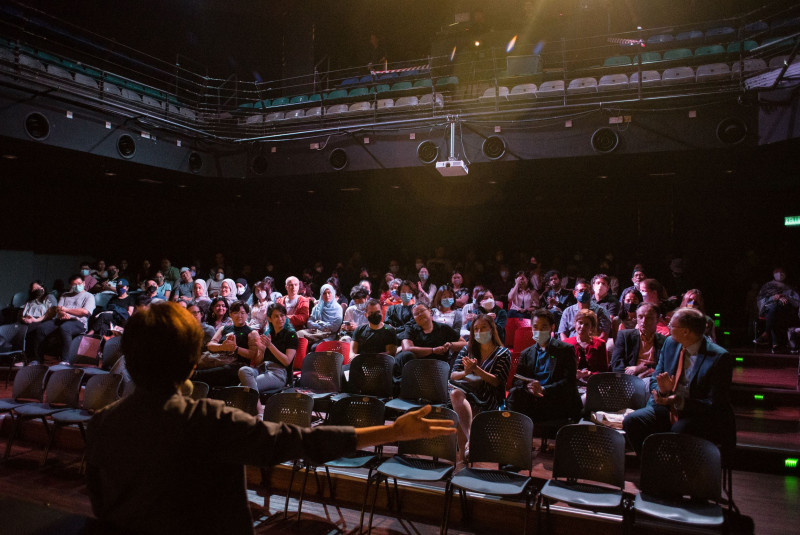
They ditch the glitz and glamour of the Malaysian International Film Festival and Malaysian Golden Global Awards for a far more robust programming of films, and after two decades, have gained an almost cult following and support from local audiences. While the festival only covers a certain genre or niche, in this case, focused primarily on documentaries, virtually every screening and event was packed with audiences.
The festival returns after almost three years, with a more specific theme that focused on inequality during the pandemic (‘pandemik dua darjat’).
During its one week run, over 34 films were screened, and various forums, masterclasses and workshops were organised. Also at the festival this year was the launch of the ‘Arkib Filem Rakyat’ (Social Film Archive), which is a digital repository that contains raw footage of key events from the last three decades in Malaysia.
The collection provides an alternative perspective of the people’s history, identity and nation building efforts. It is the only human rights film footage archive in Malaysia, and an ongoing effort to preserve all audio-visual materials sourced nationwide. The festival also published the most in-depth report and evaluation on the film censorship framework in Malaysia.
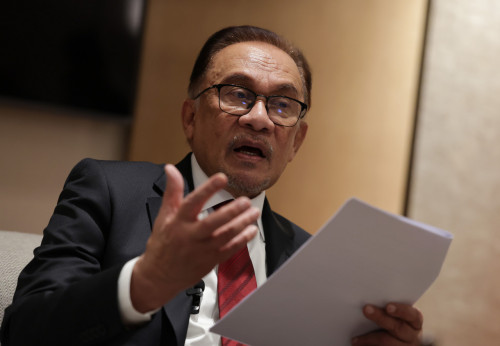
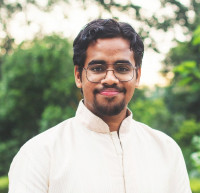
As another edition of the festival wraps up, The Vibes speaks with the co-founder of Freedom Film Network (FFN, curates and organises the FFF), Brenda Danker to reflect on the state of documentary filmmaking in Malaysia, the festival’s growing influence and highlights from the last seven days.
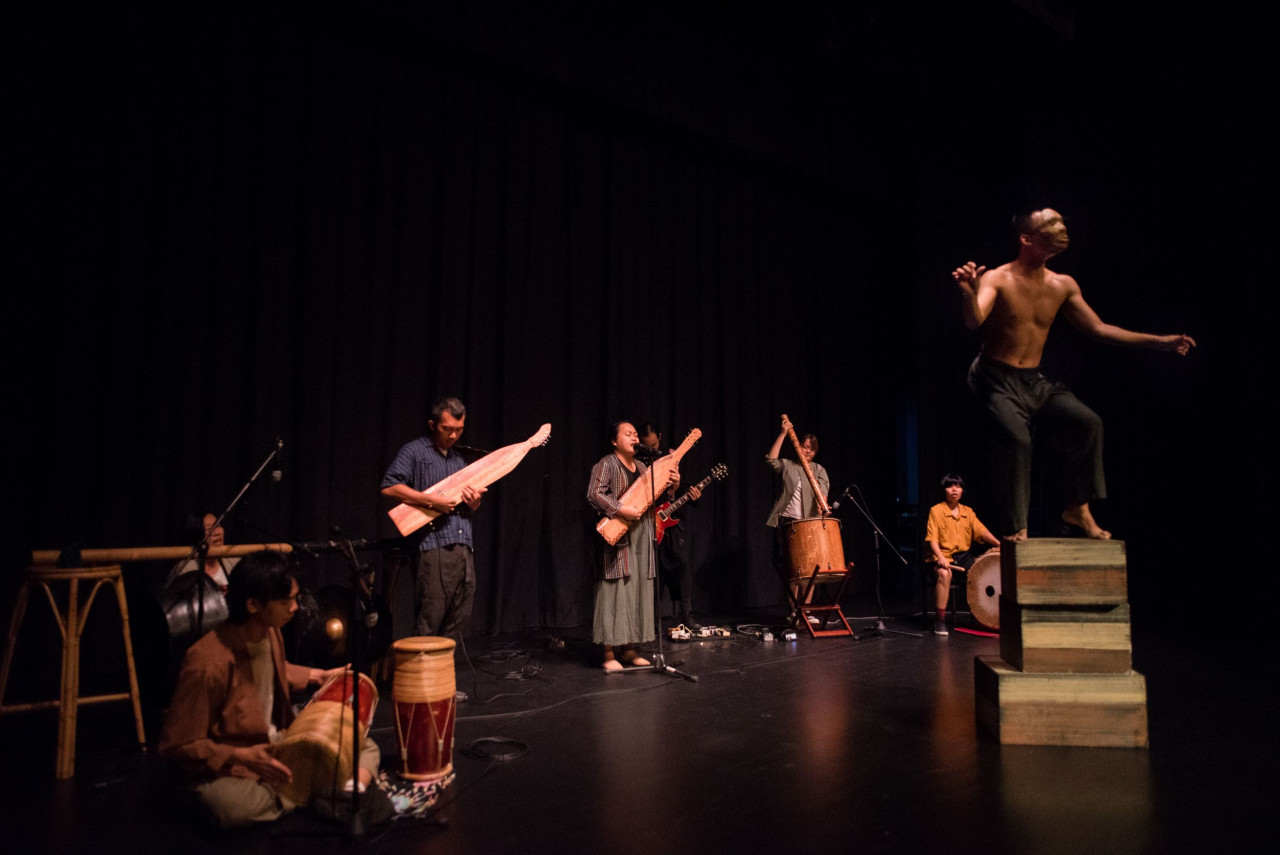
The Vibes: You share the responsibility of curating this year’s festival. Could you paint a picture of what Freedom Film Festival offers that we do not see anywhere else?
Brenda Danker: The festival programming this year cuts across many different issues and stories. There are layers to the storytelling present here because it comes from community members, activists, filmmakers and civil society organizations from diverse groups and all economic levels, who are campaigners themselves.
At the same time, the topics and the issues that are examined are relevant and important. The documentaries highlight what is happening in our country, things that are not really discussed and needs to be talked about.
Our theme this year is 'pandemik dua darjat' or the pandemic of inequality, and we looked at the inequality for women on subjects like the issue of citizenship for their children when married to a foreign spouse. We also looked at marginalized communities like the Orang Asli, where there is a lack of acknowledgement of indigenous rights and the constant battles, they face on a daily basis fighting for their land. Another segment of community that are ignored are the migrant workers. This year we have a film produced by migrant workers themselves, who during the pandemic, created and produced their own film, and doing so completely online.
What's new, or what different about this edition of the festival is that we have 12 original Malaysian films that FFN produced, which is a tremendous feat that is only typically achievable if you are a production house or if you are commissioned by a station or broadcaster. It is amazing because it cut across different issues, different communities – geographically as well.
We have stories from Sarawak, Kelantan, Pahang, and Penang. We have the students film category, called the emerging voices and through this we can see a new generation of storytellers who are interested in non-fiction and social justice stories. Many of the stories were documented during the pandemic which revealed and heightened a lot of these gaps.
TV: Documentary filmmaking is tied to freedom of the press. The festival also published an in-depth report about censorship. What are your thoughts on this issue, and do you see a future for documentary cinema in Malaysia?
BD: Harassment from the authorities does happen, and of course, it is unnecessary, and it is not relevant anymore. If you want to watch a film today, you can easily access it online, yet to screen it, you are required to go through many red-tapes, and subject to spot checks or authorities asking what you are doing, or if you have permission to run the event. It is very strange for occurrences like this to happen in this era when things are available online, but you are trying to control content in an environment like in a screening at FFF.
Documentaries capture someone's lived reality. We don't have one type of story in Malaysia, we have so many types of stories. And these stories need to be told. If there are restrictions on what stories can be told, that contravenes with freedom of expression and freedom of information. So documentaries are especially important, because it really captures people's moments, experiences, and the injustices that they face. It is coming from their own lived reality, and they need that space or platform then to share their realities.
TV: What has it been like to see the festival grow through the years and audiences responding so well to the festival?
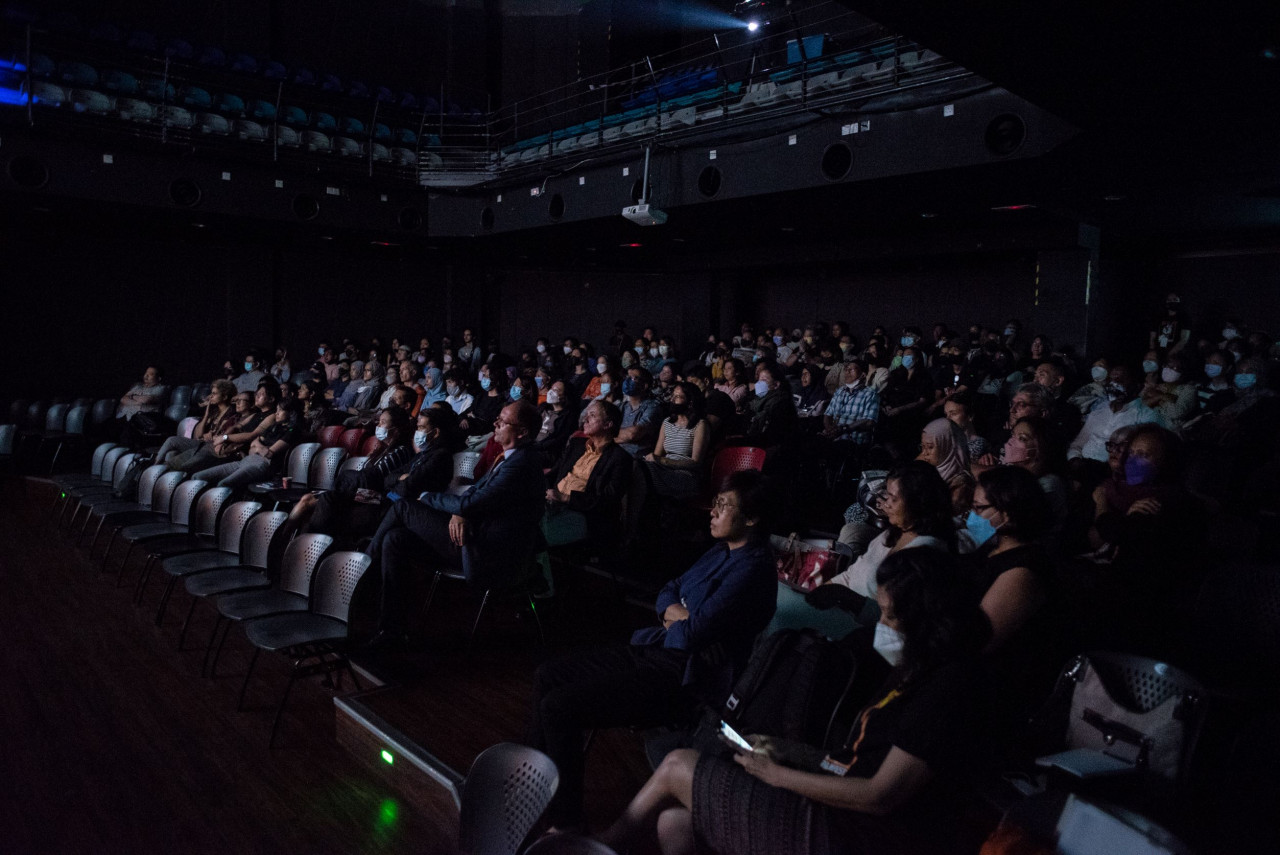
BD: If these walls could speak, you know, what will they say? That was something I was thinking and reflecting about yesterday. I think we have captured the tears of the people. The festival captured the solidarity that exists between all of us. After every film screening, there's a talk or a question-and-answer session. And these sessions are conducted by the experts, the community members, and the filmmakers. They all spoke from their heart and with a lot of resolve.
The overarching sentiment is that even though that this terrible event or tragedy has occurred within the community, but we can make things better. So, if these walls could talk, it would speak about all the tears that were shed tears because of these injustices. But more than that, it would also talk about the resilience and solidarity that every audience member shared.
Everyone was rooting for the person that was affected and wants to do something. Moments like these in our festival were really special, to see everyday people coming together. – The Vibes, September 18, 2022