COMING from the makers of 2016’s Rogue One, the most grounded and gritty of all the Star Wars movies, Andor is very much in keeping with that style of storytelling.
Things are rundown and have seen better days, as we spend time in the muck and mire of futuristic yet familiar worlds – at least until the story expands to the galactic capital in later episodes.
Set five years before the events of that film, the Jedi and Republic are no more, as the Galactic Empire cements its control over the galaxy through its mighty ships and white armour-clad troops.
The only people willing to challenge them are disparate groups of desperate and morally grey resistance fighters who might have to do unsavoury things to win the day.
This is a clear departure from the noble and clean-cut – in other words, uncomplicated – heroes, who usually lead Star Wars stories.
The main character of the series is the (titular) Andor, played by a charismatic Diego Luna. In Rogue One, he was a true believer in the Rebel Alliance, here, he’s not there yet, but a roguish criminal just trying to survive.
Unfortunately, at least in the early going, he’s not the most complex or even the most interesting character in the story, which is odd considering the show is named after him.
Over the course of the first four episodes that were provided ahead of the show’s premiere today (September 21), it is very quickly established that Andor will be very different from its fellow streaming shows set in a galaxy far, far away.
The violence is not as clean and there is a moral ambiguity to Andor’s actions. That being said, while it is darker in tone, it’s not that dark – this is still Star Wars after all.
However, the biggest difference between this show that separates it from the others is that instead of featuring iconic characters like Boba Fett and Obi-Wan, or unstoppable heroes like the Mandalorian, Andor is about very normal people who are just trying to go about their lives, with some of them making the choice to actively rebel (pun intended) against increasingly stifling Imperial rule.
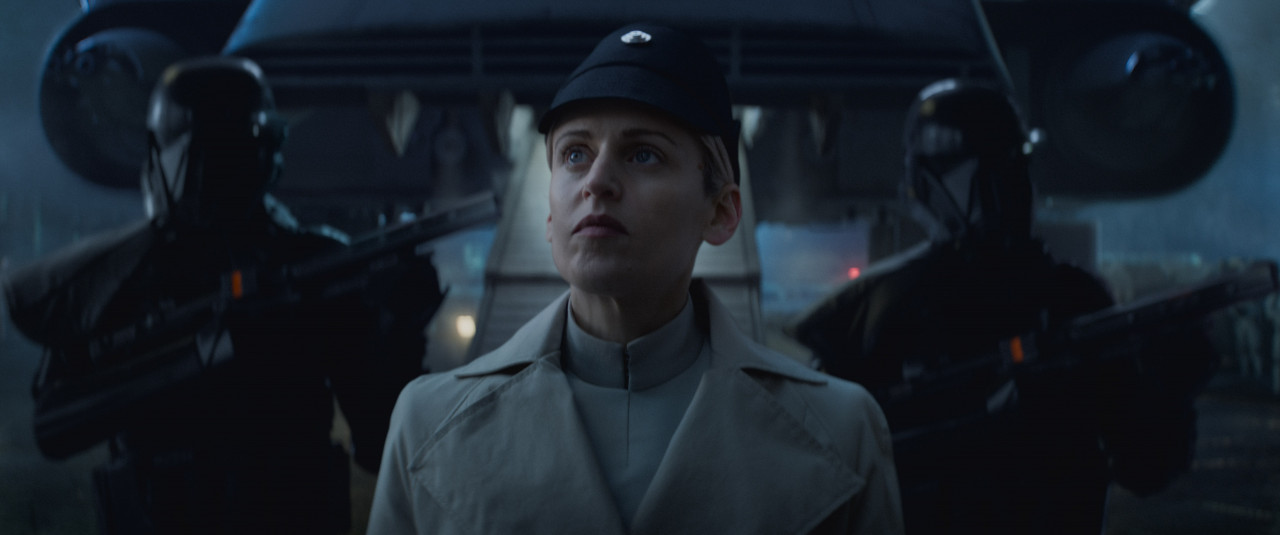
And unlike most other Star Wars properties, we get to see things from the Empire’s perspective with a surprising amount of empathy (not to be confused with sympathy). Instead of being shown as moustache-twirling villains, here they are portrayed as people just going about their jobs – some more overzealous than others.
The phrase ‘banality of evil’ comes to mind, as well-dressed bureaucrats dispassionately determine the fates of unruly subjects across a far-flung galaxy.
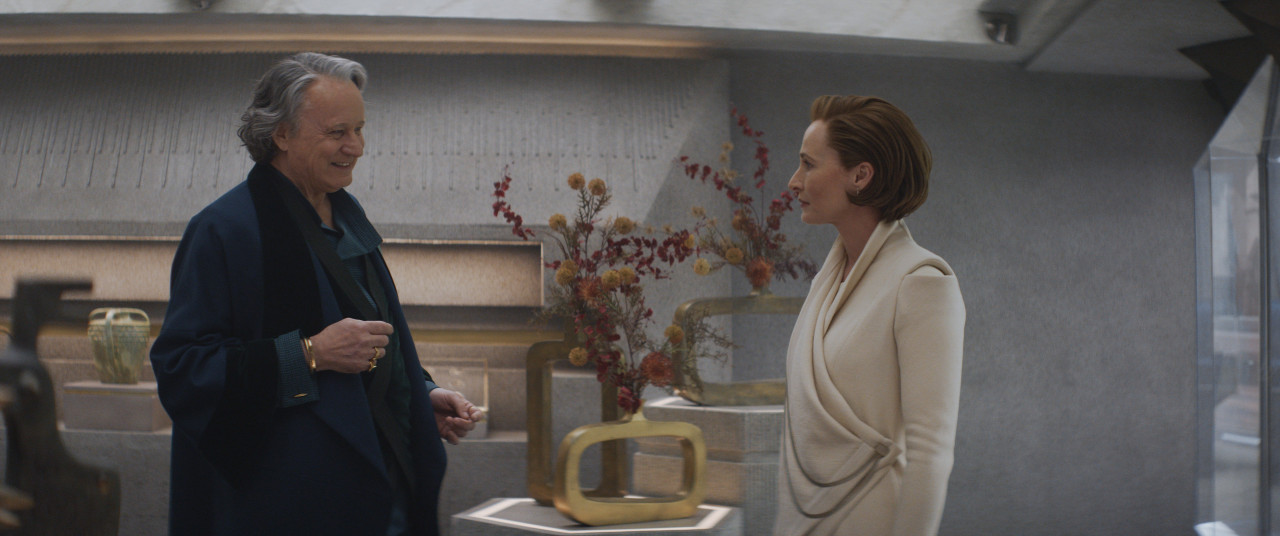
Among the notable characters are Luthen (legendary character actor Stellan Skarsgård). He’s probably the most interesting of the bunch, playing a double role as a high-ranking rebel and a wealthy merchant on Coruscant.
There, he carries out a secret partnership with Senator Mon Mothma (Genevieve O'Reilly), a politician who fights the Empire her own way.
While the previously maligned Star Wars prequels – which have since had their reputations rehabilitated by some – were criticised at the time for their surprise inclusion of politics (Trade regulations! Tariffs! Votes of no confidence!), Andor promises to have more of that.
Of course, this time instead of George Lucas, who was never good with dialogue or subtext, the writers here include series showrunner Tony Gilroy, Dan Gilroy, Stephen Schiff, and Beau Willimon, each of whom have extensive writing credits on celebrated shows and movies.
If there is a criticism, it is that the show is pretty slow in the early going, with the story and locations only opening up in the fourth episode. Andor wants to be different, but that doesn’t necessarily mean exciting.
While being consistently well made, it lacks “wow” moments, though there are interesting moments and scenes. The third episode, in particular, has plenty of solid action, but it’s not exactly mindblowing.
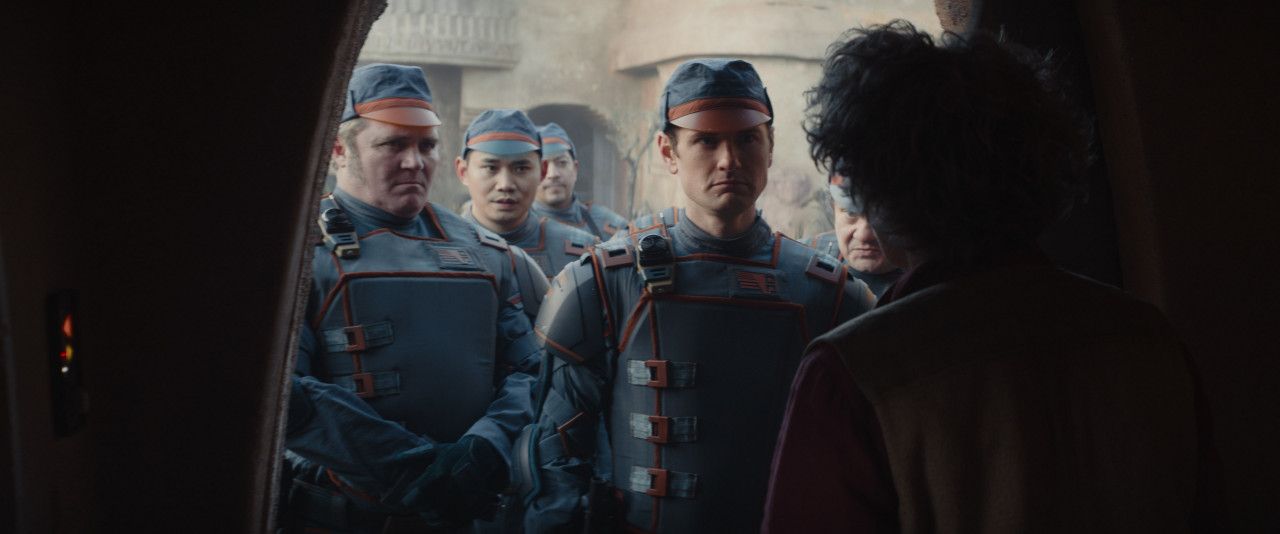
What’s most promising is how Andor really opens up in the fourth episode, operating on a bigger scale than any of the other Star Wars shows. Much has been said about the production’s commitment to filming in real locations and it shows.
This is close to the classic look of Star Wars that the franchise has been chasing after for years, that perhaps not so coincidentally helped elevate Rogue One into a fan favourite.
It will be interesting to see the reaction to Andor, because of how different it is from what’s come recently, as well as how it avoids obvious fan service – which for better or worse, has become a hallmark of modern Star Wars and franchise storytelling.
At least at the four-episode mark, the show is promising a level of moral ambiguity that Star Wars typically avoids, with several interesting plotlines and characters.
Andor premiers with its first three episodes of a 12-episode season on September 21, exclusively on Disney+ Hotstar. – The Vibes, September 21, 2022




_(1).jpg)