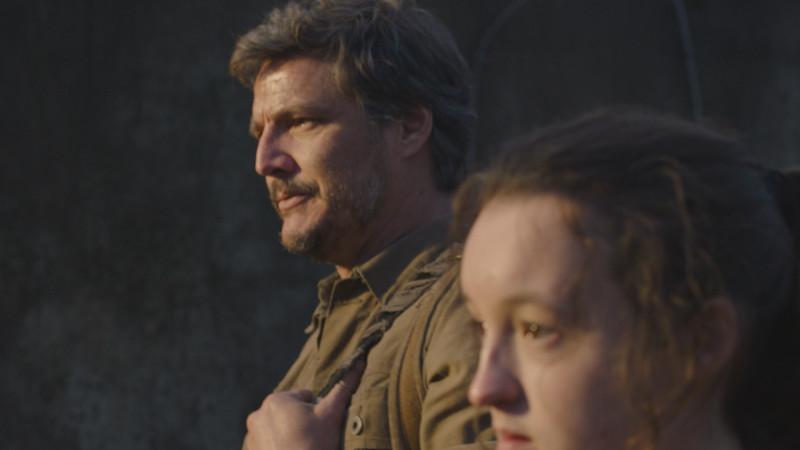

BASED on the bestselling and critically acclaimed 2013 PlayStation exclusive video game, The Last of Us is premiering on HBO Go January 16 (Monday) with a lot of expectations.
Will it break the long streak of awful to bad video game adaptations (the recent Sonic movies notwithstanding)? Will it stay true to the dramatic and beloved story that marked a watershed for storytelling in games?
Will it appeal to a mainstream audience who might be tired of pandemics and zombies roaming the post-apocalypse?
In its favour is the creative team behind it, with the showrunners being Craig Mazin and Neil Druckmann. Mazin was the creator behind the incredibly well-received HBO miniseries Chernobyl which won two Emmys.
Druckmann was the creative director and writer of the game, so his deep involvement in the series means it will stay true to his vision.
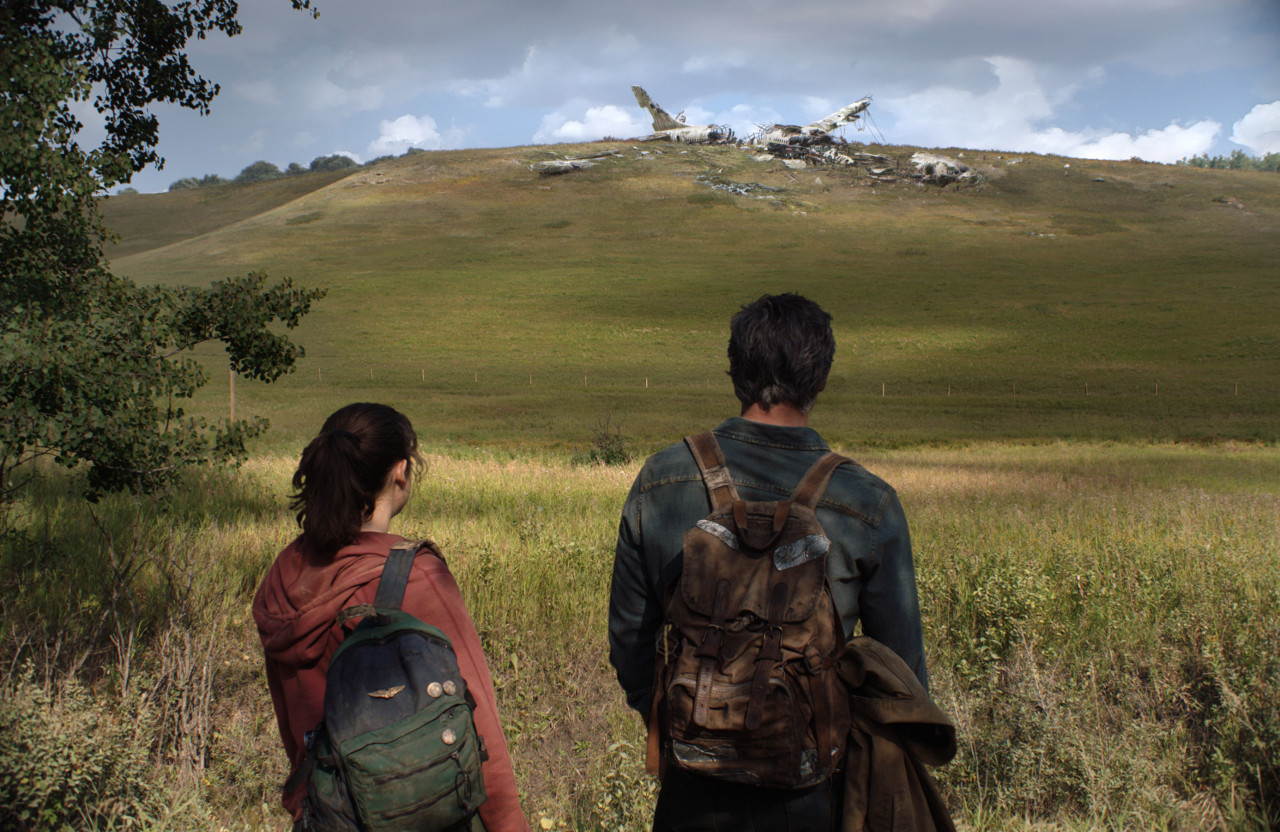
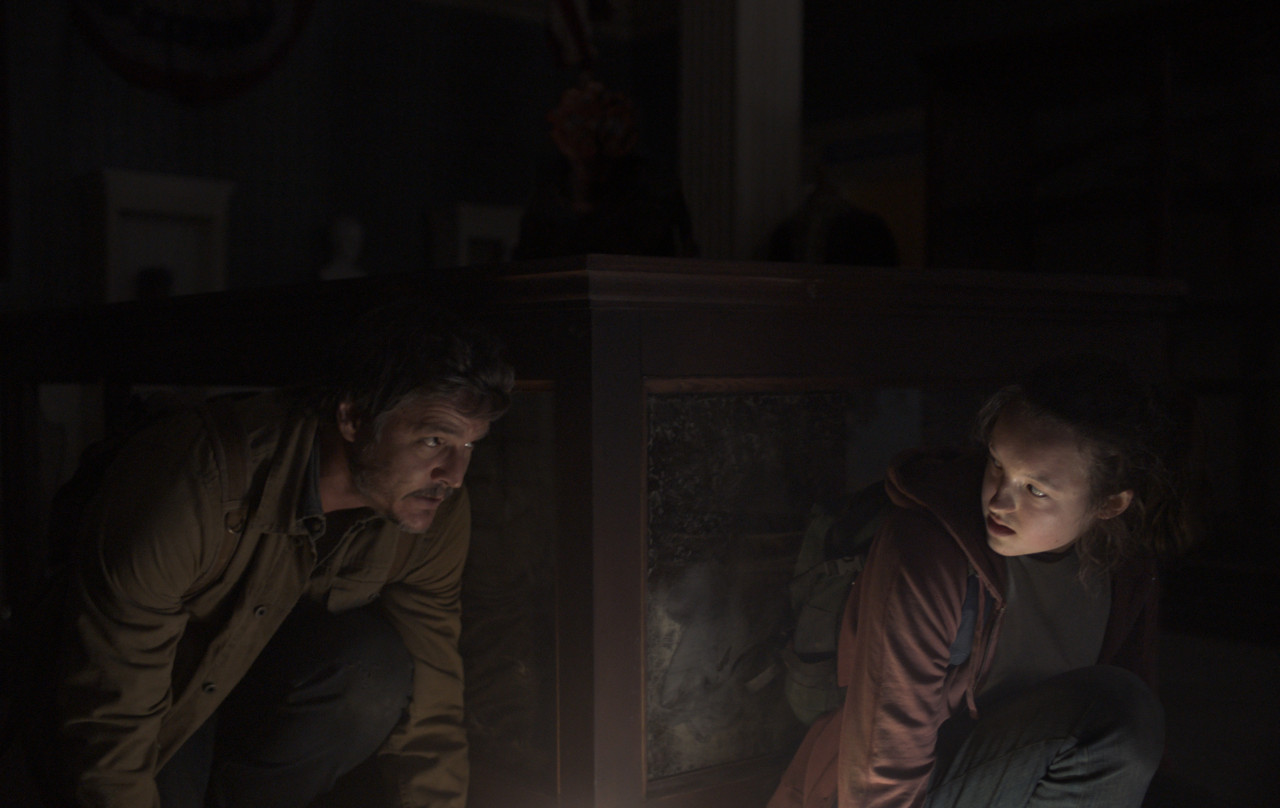
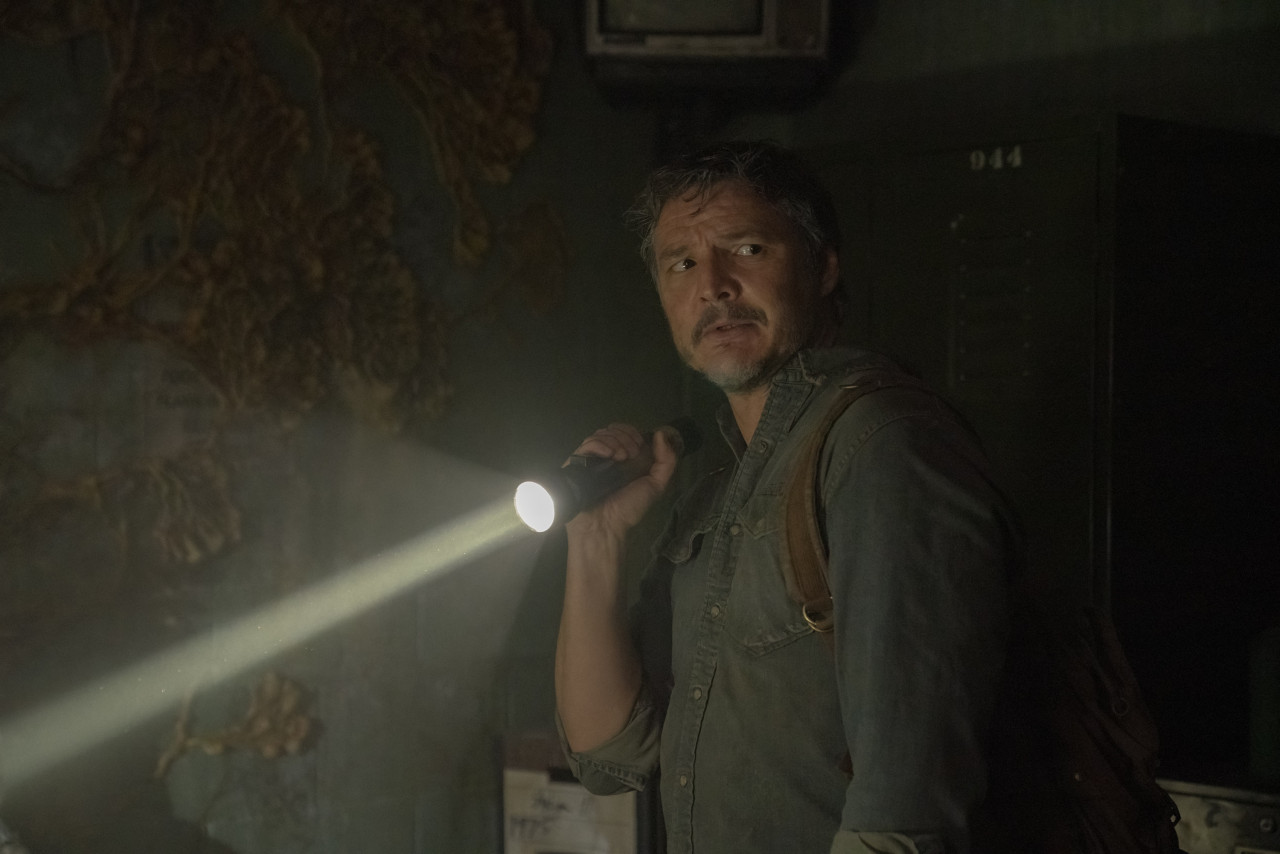
The series stars Pedro Pascal – who in recent years has had major roles in Game of Thrones, Narcos, and is the titular Mandalorian – as Joel, a survivor in a fallen world who’s had to compromise his soul many times over.
He reluctantly accepts a chance at redemption when he is given the mission of escorting Ellie – Bella Ramsey, who was also in Game of Thrones – across a devastated United States.
Over the course of the series they learn to trust each other and try to hold on to their humanity as they deal with threats – from the ‘infected’ and other people.
All four recently spoke to the press, and here’s a transcript edited for clarity and length. Light spoilers, but nothing too serious.
Why did you want to make The Last of Us?
Pedro Pascal (PP): At the start, I would have to say that it was Craig Mazin (writer and executive producer) and HBO. I hadn’t heard of the game before I got the job. But the first couple of scripts were given to me and I thought they were astonishing. It was very revelatory to find out that the source material was an immersive video game experience.
Because of Craig’s scripts, meeting Craig, and knowing the level of quality storytelling that HBO is capable of, were the primary reasons. And then it was nothing but gift after gift.
Bella Ramsey (BR): The scripts were the best I have ever read, and it became like a spiritual experience reading them. When new ones came out, I would have to be on my own in a place where no one could talk to me, and I’d just digest them. It was so good!
It really felt like I was transported away for an hour and I think that will translate perfectly onto screen. People will be transported watching it, and it was a really cool opportunity.
I did a self-tape for my audition and about 98% of the time, I do an audition and forget about them. I develop a disassociation with tapes. But with this, it stayed in my mind.
I really wanted to do it because it was such a cool story with such great creators. I was aware of the video game although I hadn’t played it, and it seemed like a really cool thing to be a part of. It was great to work with incredible collaborators, including Pedro Pascal!
Did you grow up loving the classic films by George A. Romero and Sam Raimi?
Craig Mazin (CM): I had no great love for the zombie genre. It’s not that I don’t like it but I was never obsessed. I understand why people like the idea of zombies; they’re an incredibly extensible analogy for whatever you want them to be, whether that’s consumerism or mortality.
But what I do love and am fascinated by is the way disease can disrupt our humanity and show how fragile we are. What I loved about the original The Last of Us game was that they were sick people. They were not zombies.
When Neil created the game he grounded the entire thing in science, which I thought was brilliant. Cordyceps is real and fungus does these things to all kinds of organisms. They just haven’t got round to us – yet!
Bella, did you choose to avoid playing the video game so as not to be influenced by Ashley Johnson’s performance?
BR: Yes. In a Zoom call I did with Craig and Neil [Druckmann], they asked if I had played the video game. I said I hadn’t and they said, ‘Keep it that way,’ because they wanted to protect me and they didn’t want me to feel I had to copy the game and Ashley’s iconic Ellie.
I did disobey orders a bit and watch some of the gameplay because it was so good. With the game, they have created these amazing movies, essentially, and I thought they were fantastic. It was helpful to have that reference.
Pedro, are you a gamer at all and, if so, have you picked up a PlayStation controller now you’ve finished shooting the season?
PP: I was under the same orders. Craig asked if had played the game. I said I hadn’t and he said, ‘Keep it that way’, to me, as well. But I went behind his back and asked to be sent a PlayStation by Naughty Dog!
I attempted to play the game with my nephews and they lost their patience and took the console away from me. I don’t have the thumb skill but I did love the experience and I am grateful for my lack of skill because I feel I wouldn’t leave the house, because it’s such an immersive experience – especially as the further you go, the more the story unfolds. I find that fascinating.
For me, it was like studying any other source material although in a very unique way. I needed it to marry myself to the tone and to draw inspiration from Troy Baker and Ashley Johnson’s work, and also what Neil Druckmann and the team at Naughty Dog had achieved, visually and tonally. It provided essential puzzle pieces for me to go into this adaptation, which was so beautifully created.
What’s your relationship with gaming, Craig, and when did you first discover The Last of Us?
CM: I came across The Last of Us when it came out in 2013 as the last great game on PS3.
I wanted to play it because it looked so great but I wasn’t expecting to have this experience that I would never have again with any game that doesn’t say The Last of Us on it.
I felt something profound. I was not only moved, but I was moved in a way that wasn’t sentimentality or a base manipulation – which I will fall for!
There was something very profound about what the game was about and it struck me that while I loved the gameplay, it wasn’t the gameplay that made it so satisfying.
It was the story and the characters. I have never had this experience before or since. I didn’t know who Neil was but I knew he was pretty special.
Neil, did your peers at Naughty Dog ever think that the depth of narrative was a risk; that gamers are mostly teenage boys who don’t care that much about nuanced characters?
Neil Druckmann (ND): Interestingly, I had those thoughts but the people who supported me – my bosses at Naughty Dog and at PlayStation – supported it every step of the way.
But I wondered if it was too nuanced. Other games at the time didn’t have this kind of subtlety.
We had made Uncharted, which was much more like a Marvel movie, big spectacle, driven by set pieces with an Indiana Jones-like story.
And I thought, ‘They have made a big mistake letting me drive the ship here and this will be my one and only chance.’
I was wrong. People really attached themselves to the game and I had underestimated the audience and how hungry they were for something like this.
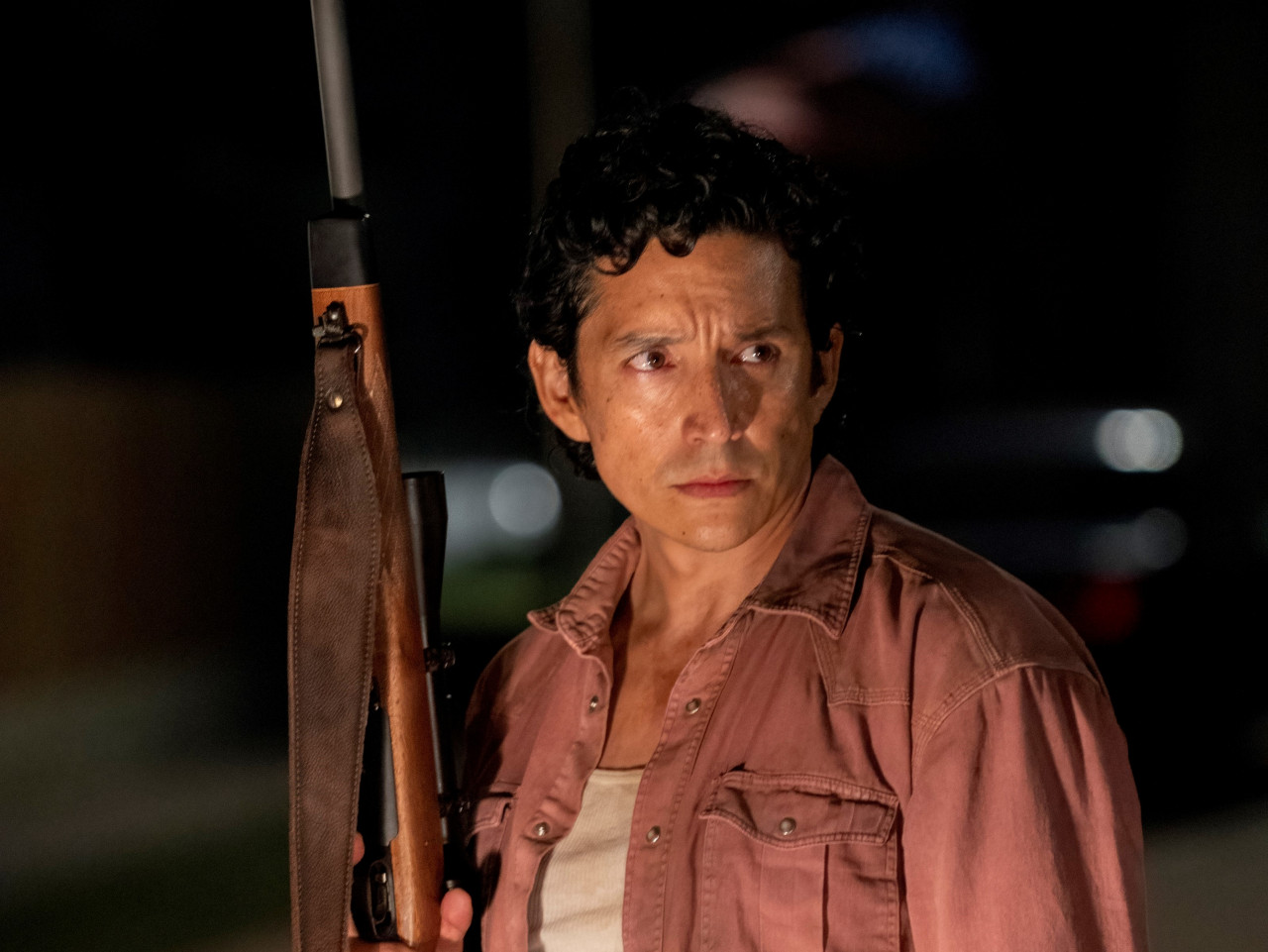
How much did you enjoy shooting the action sequences, Bella?
BR: I love stunt stuff! I think if I weren’t an actor, I’d like to be a stunt performer. I like pushing myself, physically, so it was cool.
At the beginning, I was told there would be some stunt stuff but not too much. Then it did turn into quite a lot and I loved getting to fight in a controlled environment where no one got hurt. It was the perfect situation.
Actually, I did get a little hurt! I was very much thrown into it. There wasn’t a ton of training. For the set pieces we’d do a few hours of rehearsals before we got on set.
But there were some instances where I was just told to do something and that was the best way for me because I wasn’t overthinking it. The delusional trust put in me was really helpful!
Why did you want to adapt The Last of Us into another medium?
ND: That was the first question: why adapt it all? If the game is that good why do this exercise because you’re putting a lot at risk. This game means a lot to me; it’s like one of my children and a bad version would be heart-breaking.
But there are some people who will never play a video game and while they can watch it on YouTube it’s not the same experience. This experience was designed to be played not watched. There are a lot of things that don’t work as well when you only watch them.
So then it was a case of deciding whether we believe in the story enough to adapt it into another medium.
I have always been intrigued by the ‘videogame curse’ where video games have historically made poor adaptations when translated into passive media. Which makes many people think that video games are poor storytelling vehicles.
And I liked the idea that people might watch this adaptation, be blown away, and say, ‘What? That was based on a video game?’ Then they might go back to the source material and understand the wealth of experience that exists in this other medium.
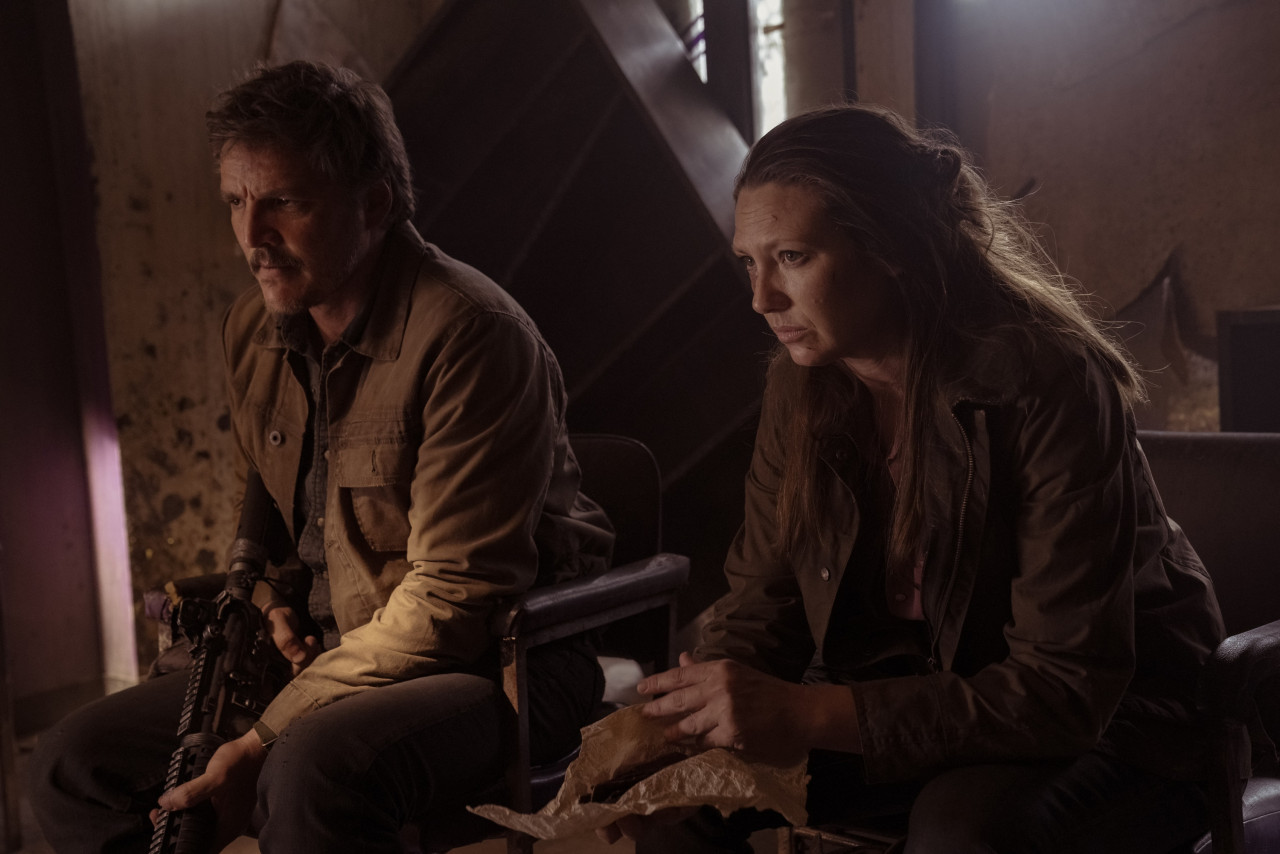
Why adapt it as a series rather than a film?
ND: I first went down a very bad road trying to make it as a movie. I foolishly believed that we could squeeze this experience into a two-hour movie but it failed. The script was okay but it was overly long and lost a lot of the heart that made the game special.
So I thought it could be a TV show. But there was some resistance to that because it’s only relatively recently that the best writing happens for TV. This is a golden age of TV storytelling.
But I didn’t really pursue it until I met Craig and saw the potential for this partnership. I have met a lot of people who love The Last of Us and who have incredible resumés but none has understood it on the level that Craig does.
CM: It had to be a television show. The beauty of The Last of Us is not the plot. The plot is: man takes girl across the country. If you want to tell that story as a movie it’d be a series of set pieces and a couple of emotional scenes.
Movies can be gorgeous when the story is suited to them. When the story is not, movies are reductive and corrosive to the beauty of a particular narrative. You start chucking out all the stuff that is beautiful because you need to tell the stuff that is pure story.
For me, the joy of The Last of Us is not only the time spent with the characters but also the way episodes occur. The game is already broken into episodes.
Sometimes, we shortened things as we adapted it and sometimes we expanded them dramatically. We were able to do that freely.
Part of my personal philosophy when writing television is to make sure I don’t waste anybody’s time. I think a lot of shows, given that freedom and flexibility, will pad things out and overstay their welcome.
I am a believer that every minute should be riveting, whether you’re telling a story about a nuclear disaster in the Soviet Union in the 1980s or you’re telling the fictional story of Joel and Ellie as they cross the country.
We found the way to tell the story exactly as it was supposed to be told. That flexibility exists in television and the opposite of that flexibility exists in movies.
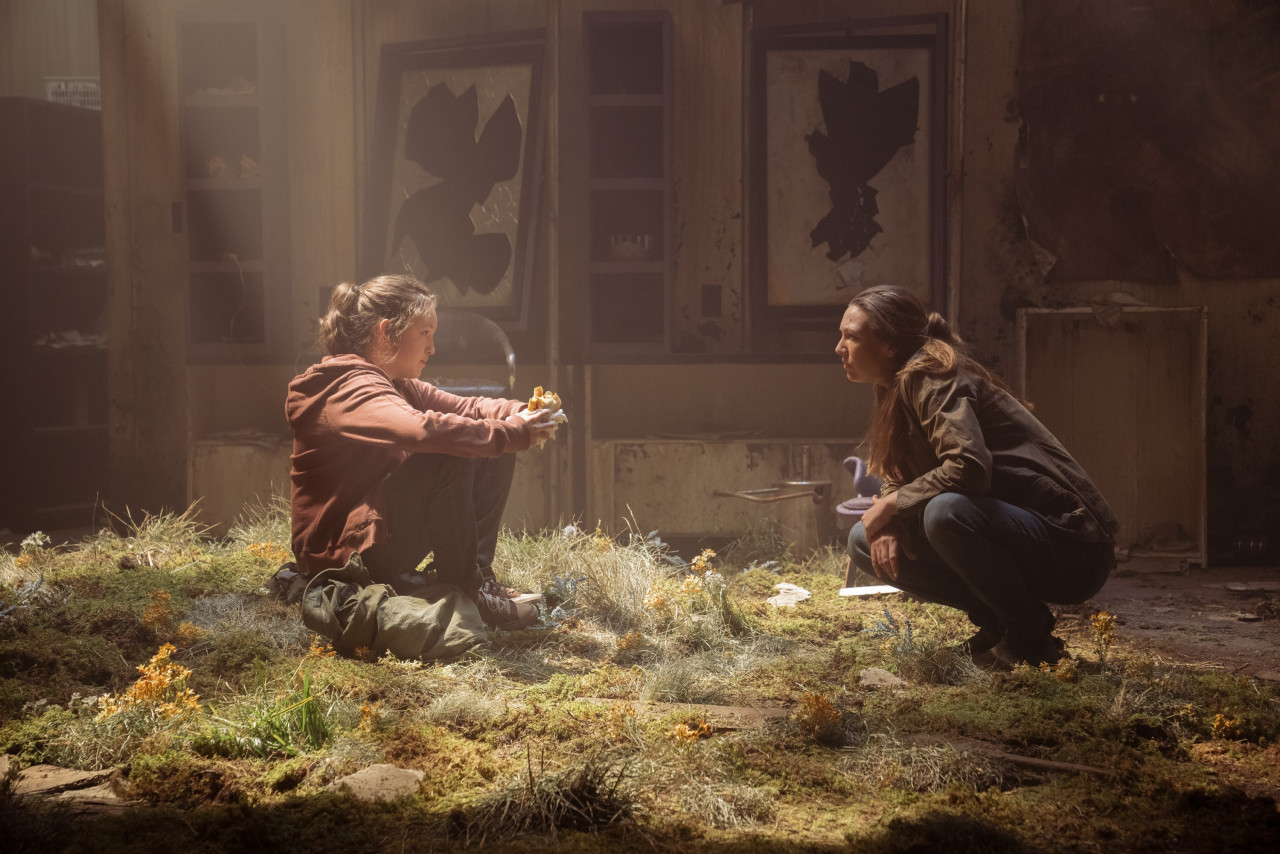
How important is the humour between Joel and Ellie to lighten the tone and to help bond their relationship?
PP: It’s a good job we're not in the same room now because our ability to corpse*, as the British say, is infinite!
Maybe because the subject matter is so dark, the humour between the two characters is a softening of a very calcified character as the straight-man.
And for us, going into the subject matter we’re dealing with and living with, it was a way for Bella and I to bond – through lots and lots of laughter.
BR: There was too much laughter at times; it was painful! Ellie almost immediately starts chipping away at Joel and being sarcastic and trying to make him laugh and fails most of the time.
She is relentless and the moment she does make him smile for the first time, that’s a great achievement, making this grumpy-guts laugh. It’s a really sweet part of their relationship.
How important is humour in a show like this with so much darkness surrounding the characters?
ND: Humour is incredibly important for this story, you do need those moments of reprieve, and what I love about Naughty Dog, and The Last of Us in particular, is the blending of genre.
We’re not just horror but we have horror elements. We’re not just a character-drama but character-drama is the engine that drives it. We’re not a comedy but Ellie is really funny and Joel’s sometimes-dry reaction to Ellie is hysterical and is part of the magic of why you root for them.
CM: I think smart people will see the absurdity of situations and existence in a post-apocalyptic world, and it’s inevitable that those living in it will start making fun of it.
You have to take the piss out of it because it’s so serious. The stakes and consequences are so grim that if the characters are just as grim then the whole thing will feel too much.
It's part of what defines us as humans; we can laugh even in the face of Armageddon, and watching Ellie and Joel give each other shit is essential.
And it helps that we have two actors who are so funny. Pedro is hysterical. The hardest role to play is the straight man and I believe to play that you have to be the funniest person on set.
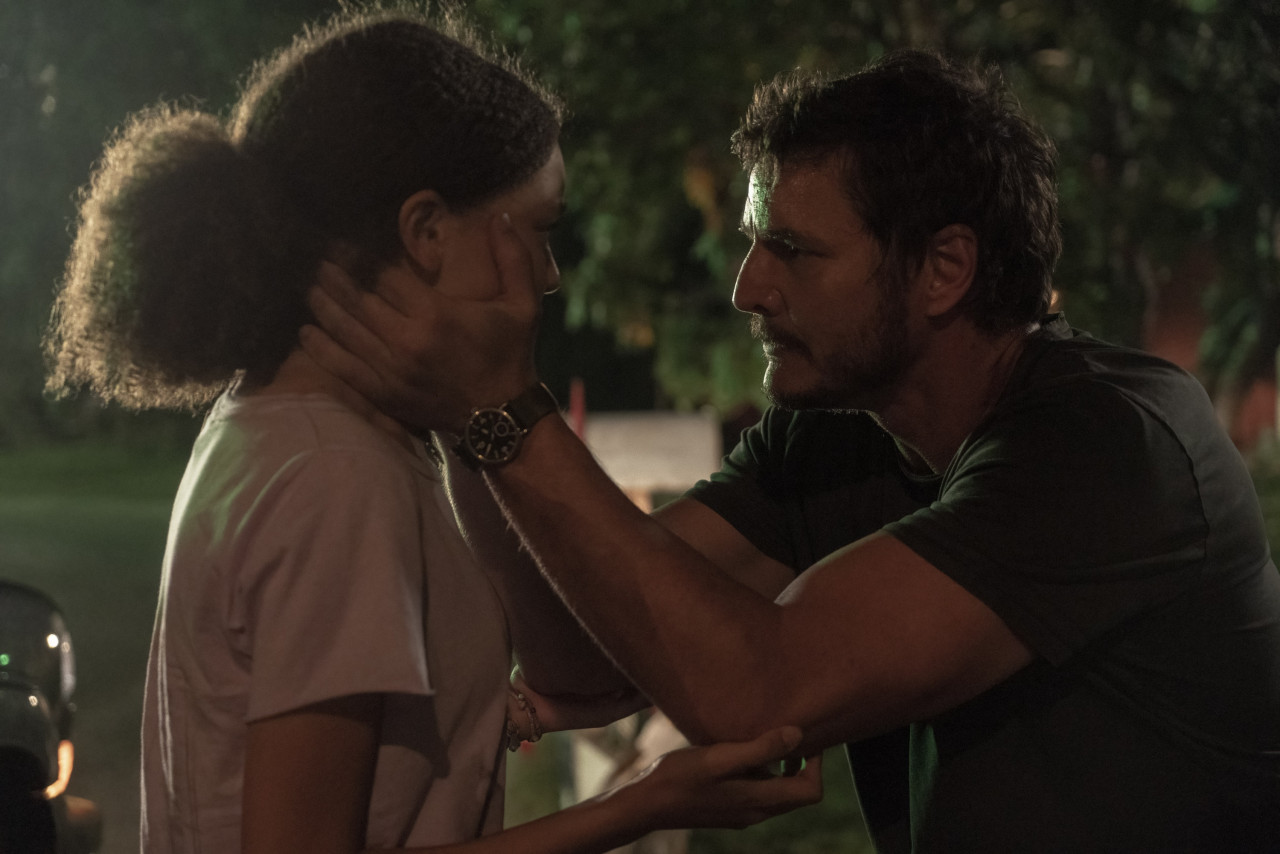
With the setup for Joel’s story you ask Pedro Pascal to go to a very dark place. That must be challenging for an actor no matter how accomplished.
CM: Anybody who has loved people and been connected to family and loved ones is going to suffer loss. Everybody’s loss comes in a different way but he certainly carries within him that human experience. And he was smart enough to understand that he had to let that shine through, especially because Joel is a tough guy.
We had to ask him to become even tougher because 20 years have gone by and he’s closed his heart, gritted his teeth and decided he’s never going to feel anything. Even in the midst of that, what we kept asking him was, ‘Show us that you do. Show us that you can, no matter how tough you are.’
It was important to us to show that he would dream. It was something we took from the game and expanded upon. He would dream but we would never see it and he would never know what he was dreaming. He would just know that he was, and Pedro allowed that vulnerability to come through in such a beautiful way, which is why his Joel is so compelling and touching and upsetting.
Is there any difference in the design of the infected and the monsters from the game to the show?
ND: When we first met we talked about the things we wanted to keep the same. Clickers remain the same. The Bloater remains the same.
One of the things that Craig said and I leaned into was that whenever we can separate ourselves from zombies we should take that opportunity. Whenever we can make things more grounded, as we did with the game, we should take that opportunity.
We talked a lot about the infection vector or how this thing transmits. In the game, it is closer to the genre tropes of bites and spores.
We lost spores because if that was how it was transmitted then the characters would wear gas masks all the time and we wouldn’t see their faces.
Then with the bites, we landed on this idea of the tendrils that would come out. They have a beauty and creepiness to them. You can see them travel under the skin and it felt so icky and disgusting that we had to do it.
CM: We know from watching movies that there’s a zombie virus but we’re not doing a virus. The whole show begins with a scientist saying that he’s not worried about viruses. This is something else.
With fungi you have mycelium, these very thin threads, and I’m a big believer that you should do the things that only your show can do.
So that became very exciting, working on that with our prosthetics team and our VFX team before we even rolled a frame of footage, pre-visualising what that would look like. Where we ended up is terrifying because it feels incredibly viable and real.
How do you feel now, Neil, having seen the game become the show?
ND: I entered this deal with a lot of trepidation and some fear that this could end badly. There could be a bad version of this, or it could be something I’m not proud of.
It’s hard to predict success because it’s out of our hands now with how many people watch it and how they react to it.
But having seen the love everyone poured into it, I’m incredibly proud of this, just as proud as when we made the game. It feels very special.
And even if it fails – and I don’t think it will – I wouldn’t change anything about it. – The Vibes, January 7, 2023