MPOX, also known as monkeypox, is caused by a virus from the genus Orthopoxvirus, the same family that includes smallpox and cowpox. Mpox was first declared a public health emergency of international concern in July 2022 due to its spread beyond Africa. Although this emergency status was lifted in May 2023, it was reinstated on August 14, 2024, following a global resurgence of cases. In Malaysia, there have been nine cases of mpox reported, all in 2023.
The mpox virus has two main strains: Clade I, typically found in Congo and Central Africa, and Clade II, common in West Africa. During the 2022 outbreak, Clade II, a less virulent strain, was most prevalent. However, the current outbreak has seen a higher prevalence of Clade I, which causes more severe illness and is more contagious. Clade I has also proven highly infectious, with healthcare workers contracting it through indirect contact, such as changing the bedding of infected patients.
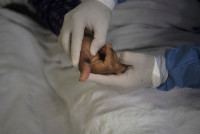
Mpox symptoms include fever, muscle aches, sore throat, headaches, swollen lymph nodes, and a rash that evolves over two to four weeks. The rash resembles blisters or sores and can appear on various parts of the body. The number of sores can vary from one to thousands, and some people may experience severe pain from rectal or genital inflammation, which can lead to difficulty urinating.
With the current surge of news about mpox on social media and in the public discourse, it is crucial to dispel common myths for effective prevention and public health management. Many people, still anxious from the Covid-19 pandemic, are uncertain about whether the person next to them might carry an infectious disease, and the ongoing mpox outbreak has fuelled this anxiety, leading to increased stigma.
Misconception 1: Mpox is a homosexual disease
Reality: The Clade IIB strain that spread in 2022 was less virulent, requiring close contact for transmission, leading to most cases being reported among people engaging in high-risk sexual activities. However, the current outbreak involves a strain that spreads more easily through direct contact with infected lesions, bodily fluids, contaminated objects, or close exposure to respiratory droplets from infected individuals.
Misconception 2: Mpox is airborne like Covid-19 and will cause another pandemic
Reality: Mpox primarily spreads through direct contact with infected skin lesions, not airborne transmission like Covid-19. While mpox can spread through close exposure to respiratory droplets, such as during intimate activities, its main mode of transmission is contact with visible skin lesions, reducing the likelihood of a widespread airborne pandemic.
Misconception 3: Only people in Africa or travellers are at risk
Reality: Although the virus originated in Africa, it has spread globally and can affect anyone exposed to an infected person. Governments worldwide, including Malaysia, have implemented public health measures to mitigate the risk. For example, travellers from countries with reported mpox cases are asked to self-monitor for 21 days upon entry.
Misconception 4: Mpox is a deadly disease
Reality: Most mpox cases are mild, with a relatively low mortality rate. However, vulnerable populations, such as immunocompromised individuals, infants, and pregnant women, are at higher risk for serious complications. The Clade I strain is associated with more severe illness, but recent outbreaks have shown lower death rates, with the Clade II strain causing less severe infections.
Misconception 5: Vaccines are ineffective or unavailable
Reality: Vaccines for mpox, such as JYNNEOS and ACAM2000, are effective and recommended for those at higher risk. Mass vaccination isn’t advised currently, but the Ministry of Health, Malaysia, is actively monitoring the situation and will make the vaccine available if necessary.
In conclusion, anyone displaying symptoms suggestive of mpox, with a history of exposure, or who has travelled to a high-risk area should seek immediate medical attention to prevent further spread. It is crucial to rely on accurate information from trusted sources, such as the Health Ministry, to prevent discrimination and encourage early reporting and treatment. – August 26, 2024.
* Dr Durga Vettivel is a senior lecturer in family medicine at the Taylor’s University School of Medicine, Faculty of Health and Medical Sciences.