
GOPENG and neighbouring areas in the Kinta Valley flourished in the late 1800s thanks to the tin boom, and lucrative rubber plantations ensured their continued prosperity in the decades that followed.
These industries attracted migrants from as far as China and India, who, together with Malays from Ulu Geruntum and Ulu Jelintoh, the indigenous Semai, and the Rawa and Mandailing communities from Sumatra, Indonesia, made the town a melting pot of cultures.
Kinta Valley was the largest tin ore producer by 1891, with two-thirds of the mineral mined in Gopeng.
In its heyday, the town bustled with businesses run out of traditional shophouses. It had a theatre, hospital, courthouse and schools for its multinational residents, who included British administrators and French businessmen and miners.
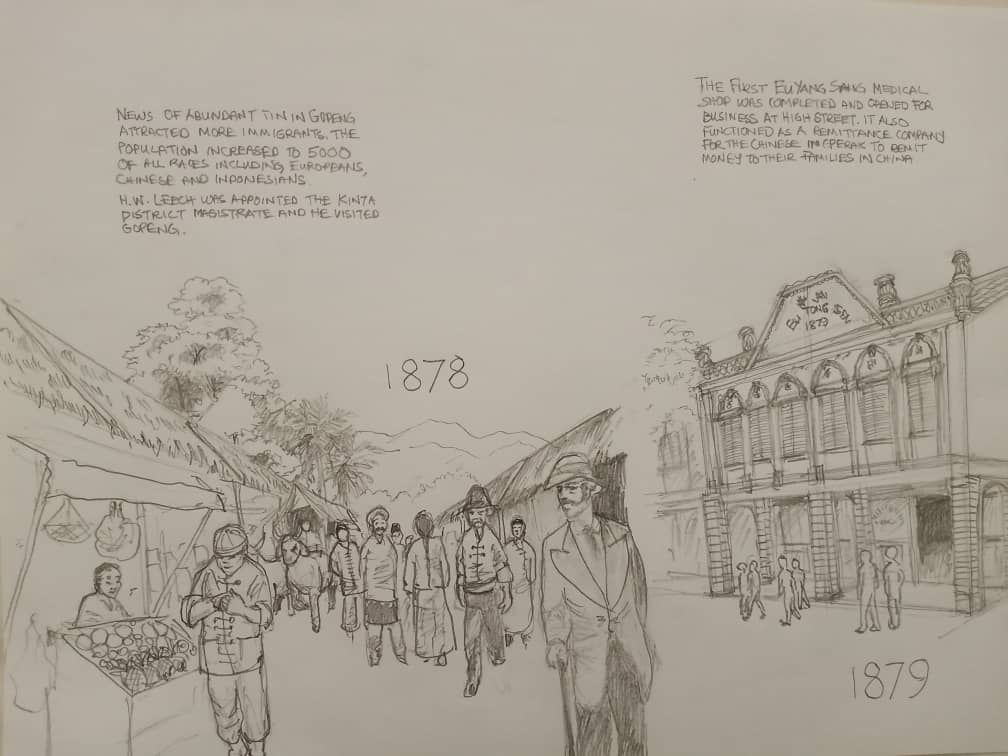
It is also the birthplace of the famous Chinese medicine chain Eu Yang Sang, whose founder, Eu Kong Pui, opened the first outlet on Gopeng High Street – now Jalan Tasek – with the aim of helping opium addicts kick the habit.
A highly respected member of the community who contributed greatly to Gopeng’s development, Eu Kong Street was named after him.
The tin industry started to wind down in the early 1990s, taking a toll on many Perak towns, including Gopeng, and youth gradually left in search of better opportunities in the city.
Slowly, these places lost their character and charm, as heritage homes, monuments and other defining structures were demolished to make way for development and modern amenities.
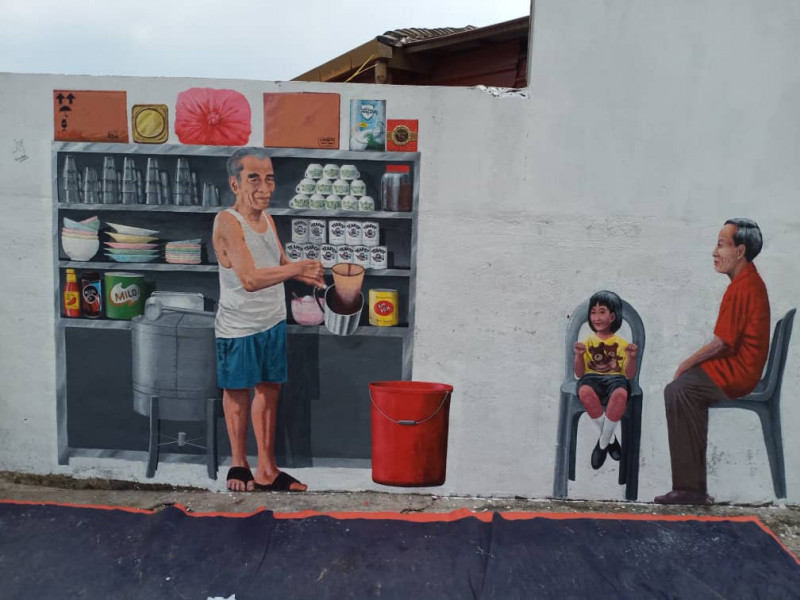
In a bid to preserve the town’s history, especially for the younger generation, the Gopeng Heritage and Tourism Association decided to paint murals depicting the area’s customs and communities on the walls of old shophouses.
Vice-president Siva Nair, who is also an artist, will conceptualise and produce the master art for the project, which begins next month. The murals will be painted by Universiti Tunku Abdul Rahman and University Teknologi Mara students using the grid method.
“The murals will display scenes from Gopeng’s past and present,” said Siva, adding that this will give visitors an idea of the town’s “journey”.
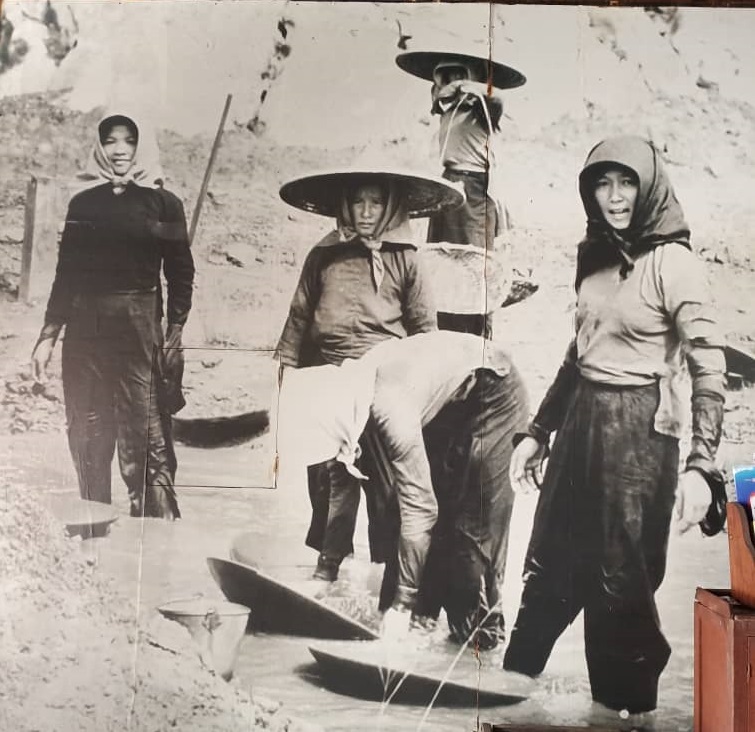
“Scenes from our past include tin mines, dulang women, traditional food that you would find in a kongsi kitchen, and traditional tradesmen like wooden clock makers.
“We also want to show visitors what Gopeng has to offer today, like our coffee farms and coffee industry, which produces coffee flower teas, perfume and wine, as well as our tropical fish farms operating out of disused mining pools.”
The Gaharu Tea Valley, set amid the lush rainforest of the Titiwangsa Range, is among Gopeng’s popular tourist stops.
Its founder, David Ho, is sponsoring the first of seven murals that will be a montage of local attractions.
The heritage association hopes to get funding for the remaining artworks from the Kampar District Council and business groups, said Siva. – The Vibes, September 19, 2020