GEORGE TOWN – Researchers at Universiti Sains Malaysia have created a module aimed at inducing sleep through music and movement to help fight stress among students.
It has also caught the attention of those outside of the campus as they try to cope with stress stemming from the Covid-19 pandemic.
There has been interest in it also to help combat tensions caused by health, financial, and specifically mental crisis during this time.
New media art lecturer Mohammad Kamal Sabran, who is founder of The Healing Art Project, explained that when Covid-19 became serious students started requesting for online classes as the situation was getting stressful for them at home.
“The lockdown, family issues and mounting lessons were taking a toll on them and they could not focus,” he said.
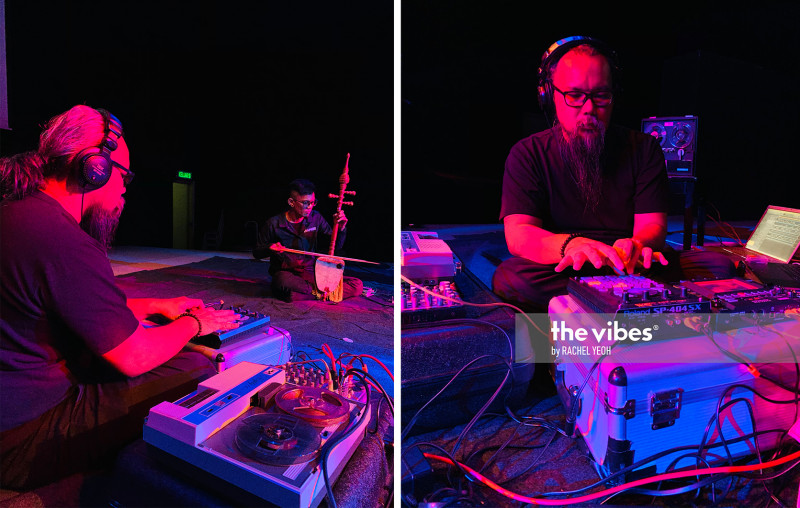
Kamal had previously worked on the impact of music on Alzheimer’s patients. He decided to extend the programme to social media with live streaming music, soundscape and movement even though the facilitators for these three aspects were not at the same location.
“After a few rounds online, we have now come up with a better module where sessions are pre-recorded and named it The Healing Art Project.
“When we started last year, it was just the use of experimental music fused with stretching techniques. We called it Kelas Tidur (sleeping class),” he said.
“Tidur is a keyword for stress. When you can’t sleep, you are stressed.”
Together with researchers Nur Hilyati Ramli and Mhd Sany Mhd Hanifon he developed the project from a calming music-and-exercise class to one that can elevate mental stress and promote rest.
Participants are guided through a series of stretches accompanied by traditional music infused with beta waves and Solfeggio frequencies. Twenty minutes of listening and moving to the soundscape and attendees fall into slumber.
“Scientists have studied these frequencies that have an impact on our brain and cause us to relax. They are low frequencies and not musical notes.
“I use these frequencies and blend them with sound design, combined with sounds from traditional instruments,” he said.
Hilyati took the movement segment under her wings, using her background in contemporary dance for the programme’s benefit.
“This is not an exercise class,” she said. “There are some movements like lifting the leg to a certain level that some of our participants can’t do, so we change it to something simpler. It is for them to feel their muscles and be aware of their body.
“To stand on one leg or to arch the body can be difficult for some. I have made this (movement routine) accessible for everyone regardless of age. Stretching is not to keep you awake, it is to relax your muscles before going into deep sleep.
“We collect data on the participants’ stress levels before and after the session, so we know how they change from the beginning to the end of the class,” she added.
Kamal explained that 80% of those who previously participated experienced mental stress at varying levels before.
“Based on the statistics from the Ministry of Health, three in ten youths have stress-related issues, and we expect that this has increased further because of the pandemic.”
The programme is also looking to work with NGOs that focus on mental health issues and depression as they believe that this module is an informal alternative to counselling.
For those who are interested to experience the programme, follow The Healing Art Project on Facebook here and @healingartproject on Instagram - The Vibes, November 8, 2020.