
FORMER Kelantan Umno secretary Datuk Seri Dr Alwi Che Ahmad has been appointed as the new National Tobacco and Kenaf Board (LKTN) chairman.
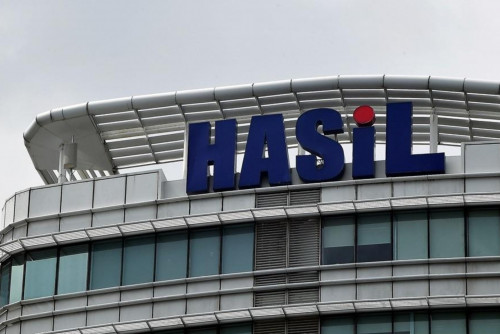
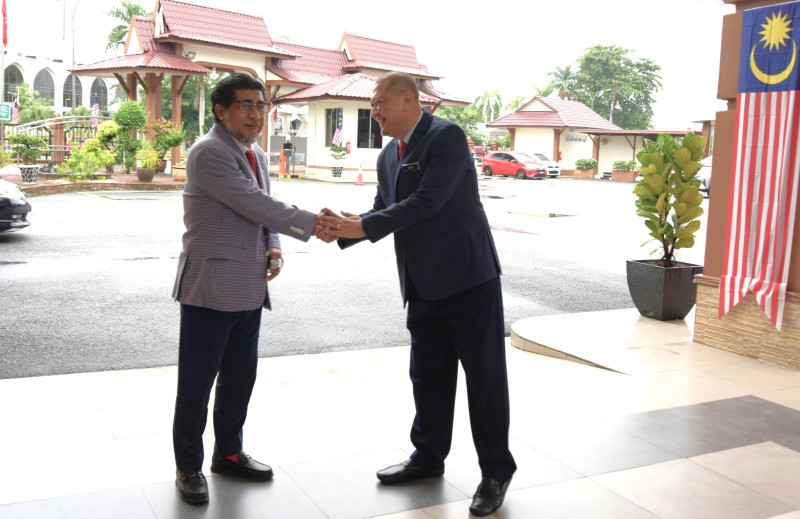
Headquartered in Kota Baru, Kelantan, the LKTN formally welcomed Alwi, a land surveyor by profession to its office near Kubang Kerian.
Alwi is a veteran Umno leader in Kelantan, where the base of kenaf and tobacco industries are located and cultivated.
He had also served as a board member of LTKN and is familiar with the development of the commercial plant, which has many sustainable properties.
The 69-year-old succeeds former Kelantan State Legislative Assembly Speaker Datuk Wan Abdul Rahim Wan Abdullah, 73, who has left after serving two-terms as the chairman of the board.
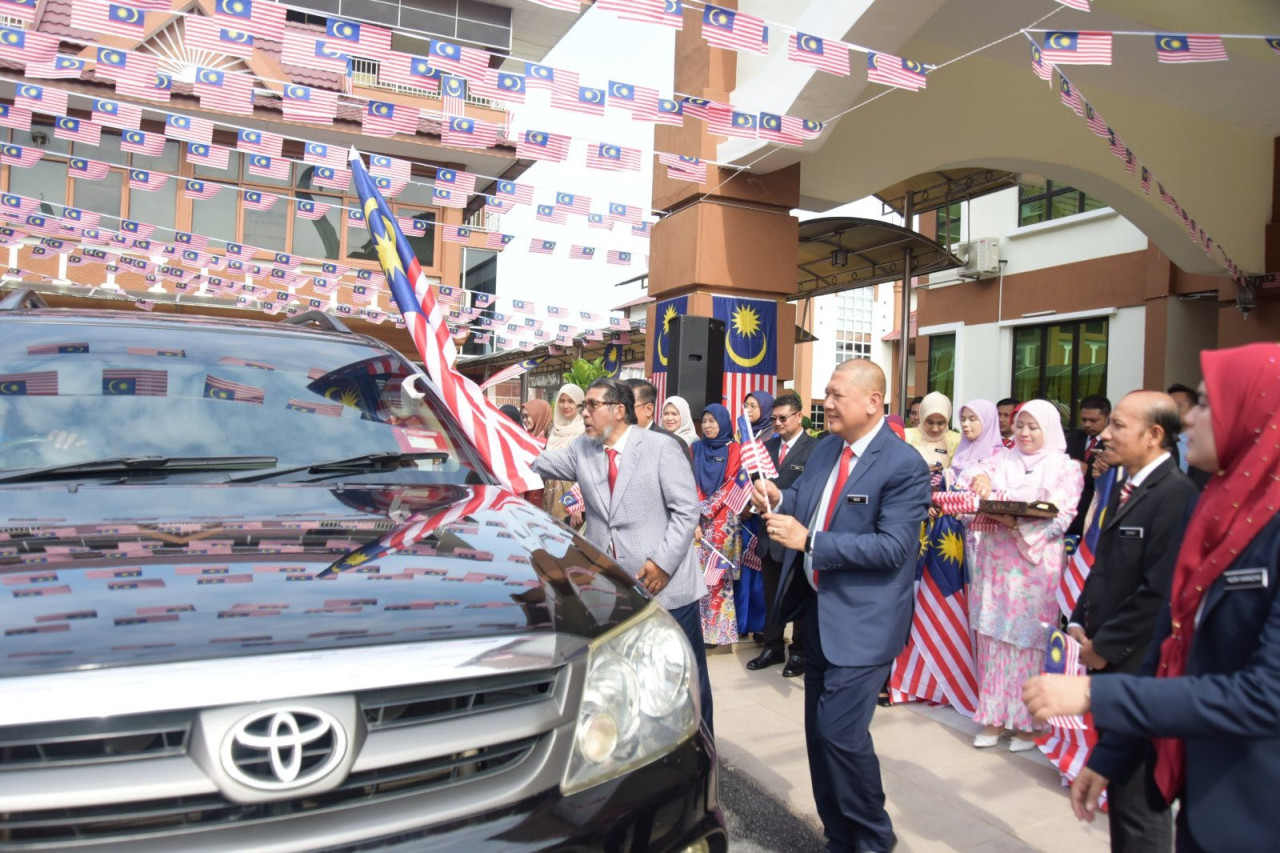
Earlier this month, Md Alwi marked the upcoming Merdeka (National) Day celebrations by handing out miniatures Jalur Gemilang to LTKN officials and the community.
He was also briefed on the latest developments of the board by its director-general Wan Baharudin Wan Ismail.
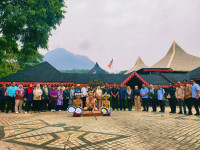
Alwi also led a delegation to visit the Sabah Livestock Dairies Breeder Sdn Bhd in Sook, Sabah to explore collaboration possibilites with them.
LTKN is looking to expand its kenaf cultivation outreach to Sarawak and Sabah respectively.
Sabah Livestock has about 1,000 dairy cows, which are fed animal feed produced by kenaf seeds.
LKTN hopes to showcase kenaf to the private sector as a sustainable green and a viable alternative to tobacco.
A highly diversified plant, kenaf can be used for a variety of reasons.
Since it was introduced as an alternative plant to tobacco in 2000, the board has been actively promoting its commercial benefits to firstly the tobacco growers and secondly to the private sector to take up its vast potential.
Kenaf has stepped up to replace tobacco as the latter is no longer promoted as a commercial cash crop because it is seen as a danger to public health.
It is a multi-million industry with the potential for tremendous growth if we can convince the masses about its benefits, especially with the shift towards sustainability and food security,
.jpeg)
In Malaysia, kenaf (hibiscus cannabinus) is primarily cultivated for its versatile fibre and seed oil.
The fibre is used to produce a wide range of eco-friendly products, including bio - composites, paper, textiles, and animal feed.
Kenaf is also being explored for biofuel production and as a component in building materials. - August 14, 2025.