
ARE Malaysian car consumers willing to accept just two dominant car brands in the new norm. Let us explain. Here are the sales figures for 2020.
Perodua 2020 Sales
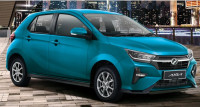
Perodua registered 220,154 vehicles in the whole of 2020, 10,154 more than its 210,000-unit sales target for the year, on the back of strong demand for its vehicles as consumers took advantage of the government’s sales tax exemption.
Meanwhile, Perodua cars were rolling out of the factory at record pace in 2020. A total of 220,968 cars were made last year, despite production temporarily being halted between March and May 2020, due to the movement control order (MCO).
Proton 2020 Sales
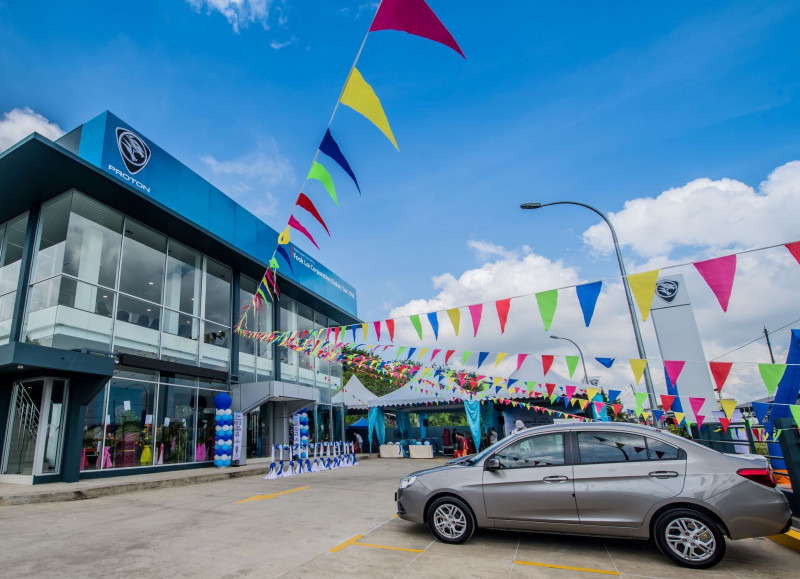
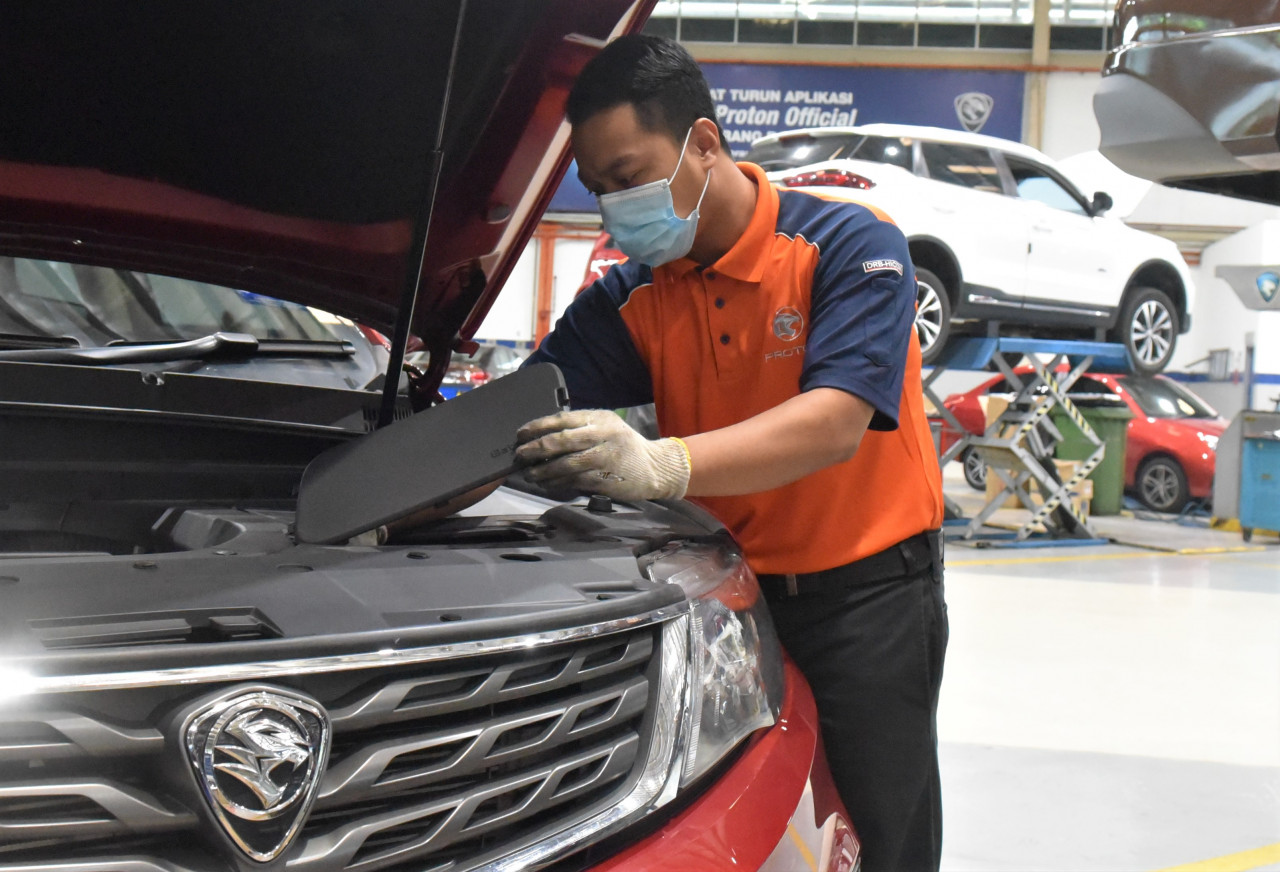
Its immediate rival, Proton sold some 109,716 vehicles for the year 2020 even after temporarily shutting its operations for months due to the pandemic.
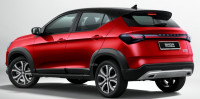
The sales success of the newly launched Proton X50 and the continued success of the revised Proton Saga assisted in a total of 13,306 units of Proton cars sold in December.
This 2020 total represents an increase of 8.8% over the 100,821 units sold in 2019, making Proton the only major automotive company to record growth in Malaysia.
Market share for the year also increased to an estimated 21.1%, equating to a significant 4.4% increase.
Added together
The total combined sales of Proton and Perodua in 2020 was a massive 329,870 units which is more than half of the total number of cars sold in Malaysia last year.
This is why a number of established car brands are seeing a big drop in their sales.
The others in Malaysia
Nissan has seen a drop in demand for the X-Trail SUV and their all new Almera is not selling as well as it should be. Peugeot 3008 and 5008 SUV sales have been low due to the X70. Mazda and Kia have also seen their SUV sales slow-down. Toyota has also seen a little sales disappointment with the launch of the X50 taking some Yaris and Vios sales.
Subaru, who specializes in all wheel drive SUVs cannot compete with the preferential selling prices of the Proton X70 and X50.
With preferential import tax for the two dominant brands, long established auto manufacturers mentioned above who have invested heavily in factories, local assembly and 4S showrooms around the country might not see a return on their investments if this unfair tax system continues.
This is also why many car brands who exited Malaysia in the past (Suzuki and Alfa Romeo) have yet to return as they cannot see a return on investment in setting up a factory or local assembly and yet not receive the tax benefits of the ‘Malaysian National Car’.
Realistically, the days of Proton being a Malaysian product only lies with the Saga, Persona and Exora. The X50 and X70 are Geely vehicles assembled here just like with any Japanese, French, German or Korean brand.
Will this be the new norm for the Malaysian automotive industry as the rest of the Asean nations move forward with fair and clear tax breaks and incentives? – The Vibes, January 5, 2021
This article is powered by www.dsf.my. For more automotive updates, follow DSF.my on Facebook and Instagram