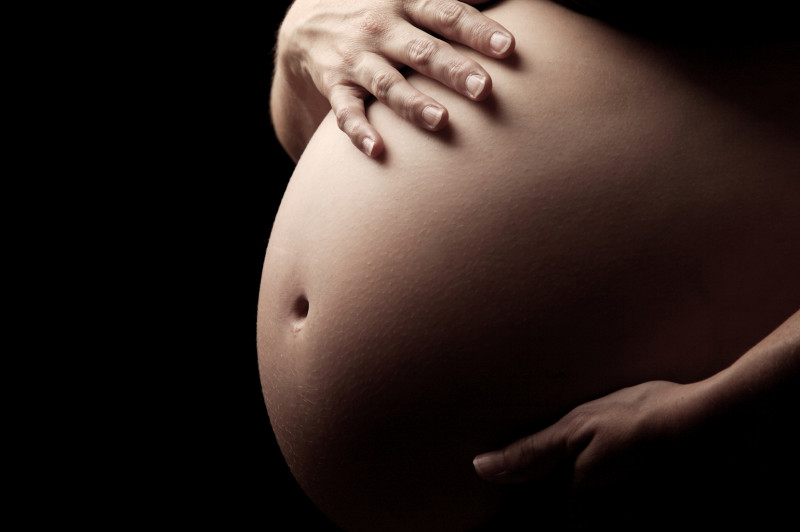
ANY woman who has ever taken a pregnancy test can likely testify to the highly private, intimate nature of this particular act. However, for women who are visually impaired or blind, the task is more difficult. Forced to ask for help, they are deprived of this privacy. In order to address this issue, the Royal National Institute of Blind People charity in London is introducing a prototype test specially designed for women who are visually impaired.
"Every woman has the right to know whether or not she is pregnant." This slogan, taken from a 1971 advertisement for English pregnancy test brand Predictor, is cited in the explanation by the Royal National Institute of Blind People (RNIB), in order to highlight the fact that until the present "all tests rely on a visual results output."
A postulate that effectively excludes visually impaired and blind women, who are obliged to seek the assistance of a third party to find out the result of their pregnancy test. "All spoke of how an important moment in their life had been made more difficult, and in some cases actually traumatic, for having to involve another person," noted independent product designer Josh Wasserman, who created the test and conducted a series of interviews with visually impaired women during the prototype development phase.
In addition to the difficulty of knowing the result, these interviews also point out the many obstacles encountered by these women in the use of pregnancy tests: packaging difficult to read and open, absorbent tips too small... Many visually impaired women, for example, confided that they did not know if they had correctly urinated on the tab.
To offer greater inclusiveness, independent designer Josh Wasserman imagined and designed a test presented in the form of a stick (larger, thicker and brighter than traditional tests), with raised buttons to indicate which side to urinate on, and tactile elements that lift up in the event of a positive result.
For women with total vision loss, a QR code could be read using a smartphone to allow them to receive their results in an accessible digital format. This option, however, requires them to provide their personal data.
Another drawback is that while the device works on the same principle as any other conventional pregnancy test, the price may be a little higher. However, the instructions for reproducing the prototype (via a 3D printer) are available free of charge on the RNIB website. The test's market launch date has not yet been disclosed. – ETX Studio, January 18, 2021