
.png)
IN the last year, more people around the globe have been at home than ever before and the ‘work from home’ and ‘stay at home’ culture has pushed the sales for smartphones, tablets and laptops to new heights.
Add to this the rising demand in gaming consoles and gaming laptops which was inevitable as people needed entertainment and children of all school going ages needed to get online schooling.
This rise in demand for computer related devices and gaming machines gave chip manufacturers higher outputs and so they shifted their focus away from car manufacturers (who also use chips in high technology new cars).
Add to this phenomenon is the higher profit margins they earn from smartphone and gaming manufacturers over tight budgeted auto manufacturers, the chip industry has been having great growth.
Too Much Technology
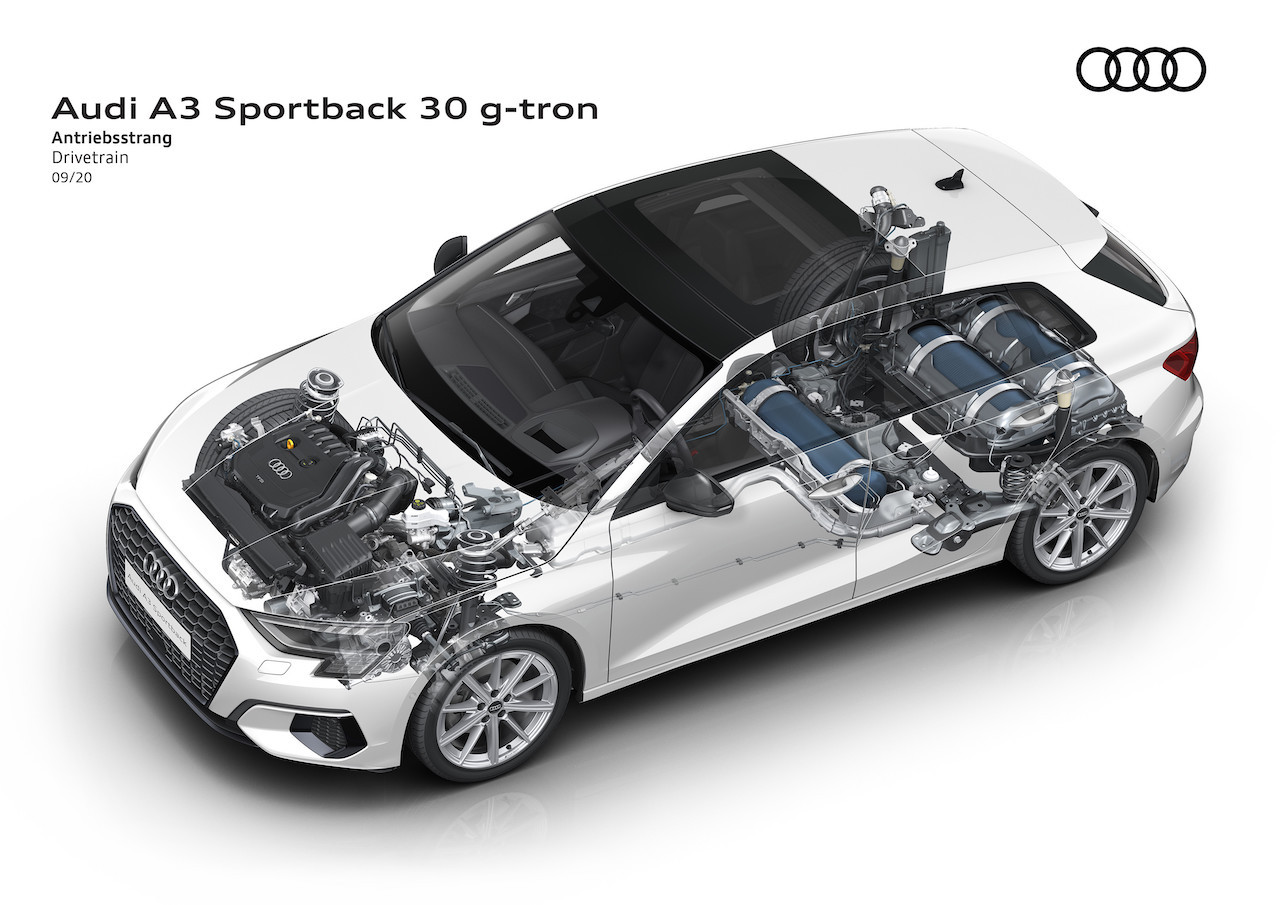
The global auto industry is now using more chips behind the smart digital dashboards than ever before as they build in features such as Bluetooth connectivity and driver assisted parking, on board navigation and plug-in hybrid electric systems.
Chips are semiconductors that perform control and memory functions in various processes.
New technology vehicles are so reliant on chips (semiconductors) for their high technology new models that are increasingly reliant on new 5G, hybrid, electric and autonomous driving features which new car buyers want in their cars, whether they need it, or use it at all.
When Demand Fell
With demand for new cars falling for the most of 2020 due to the Covid-19 pandemic, auto manufacturers around the globe and tier-1 suppliers reduced their inventory for obvious reasons and as the markets and economy picks up in China and North America, car sales are increasing and factories have ramped up production to meet the pent up demand of consumers.
Now with this supply issue, it could be months before car showrooms globally get their stock and buyers get their new high-technology driving machines.
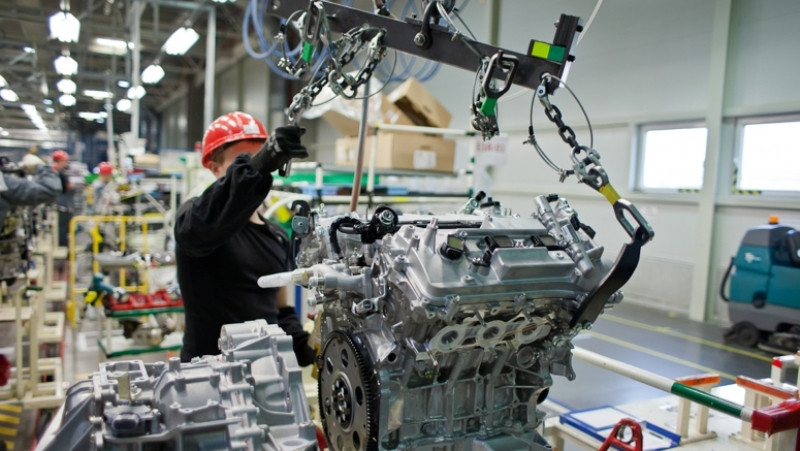
Toyota Motor Corp this week announced its vehicle production lines in the Chinese city of Guangzhou had to take a week’s downtime due to a shortage of semiconductors. This delay will affect their factory production by as much as 30% in new vehicles being produced in this quarter.
Toyota Motor is not the only auto manufacturer affected by this chip shortage. Volkswagen, Honda, Nissan, Ford, Fiat and even Jeep are having production delays due to semiconductor supply issues.
German automotive giant Audi is the latest auto manufacturer to be hit by a shortage of chips, with an announcement yesterday that 10,000 plus employees will also be put on leave as the company waits for chip supplies to resume to their factories in Germany and Mexico.
Last month, German tier-1 suppliers Continental and Bosch stated that the slow start-up of semiconductor manufacturing could affect vehicle production around the world. – The Vibes, January 25, 2021
This article is powered by www.dsf.my. For more automotive updates, follow DSF.my on Facebook and Instagram