
IN a recent study published in 2020 (BMC Public Health), recognition of symptoms and risk factors for most cancers was relatively low in Malaysia compared to previous studies in high income countries.
Understanding cancer awareness is important in order to tailor preventative efforts and reduce cancer burden. In 2018, WHO reported 30-50% of cancers can be prevented by avoiding risk factors and implementing prevention strategies.
Cancer is the second leading cause of death in the world and in Malaysia, as of 2018. It contributes to 9.6 million deaths worldwide and 16,000 deaths in Malaysia, annually.
The Malaysia National Cancer Registry Report (MNCRR) 2012-2016 recorded an 11.3% increase in new cancer cases from 103,507 in 2007-2011 to 115,238 in 2012-2016.
It also found that Chinese Malaysians, especially women, are more prone to getting diagnosed with most leading cancers as compared to Malays and Indians.
For men and women aged 25 to 59, the most common cancers for both genders are colorectal and breast, respectively, for the 60 to 74 age group, colorectal cancer and breast cancer are also the most common cancers, for men and women. Among Malaysians aged 75 and above, colorectal cancer is the most common for both women and men.
In a study reported by the Asian Journal of Surgery in 2017, most Malaysian patients with colorectal cancer have been diagnosed at a late stage and public awareness on diet and lifestyle including screenings is low.
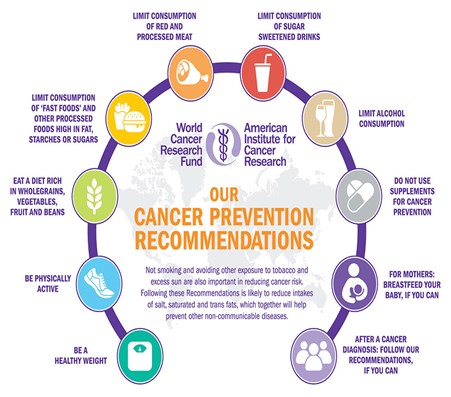
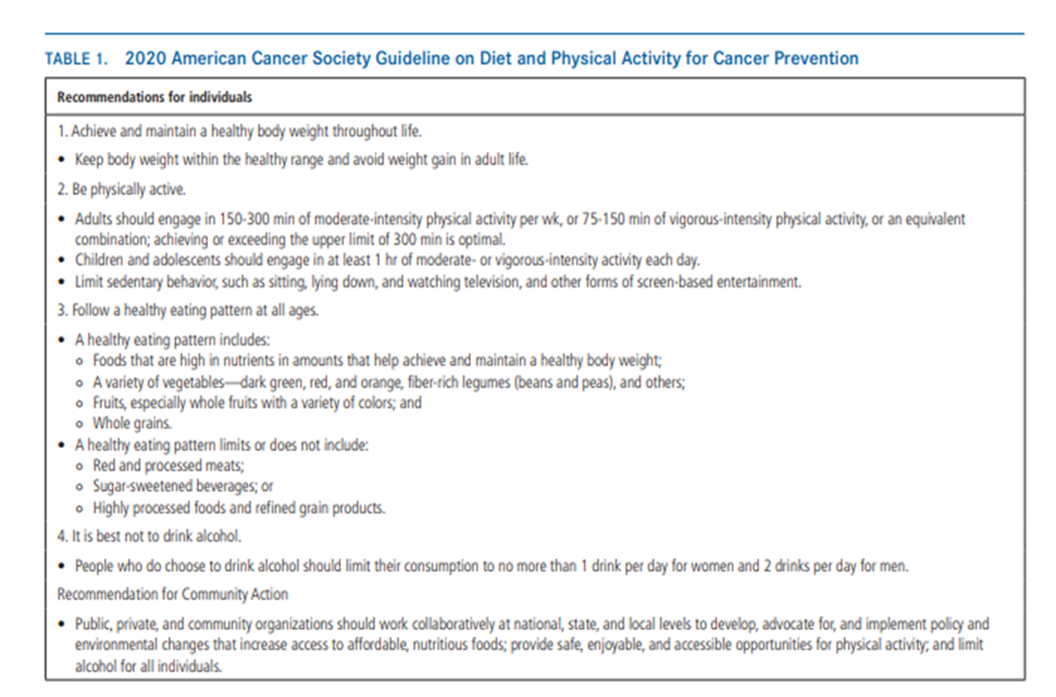
The World Cancer Research Fund (WCRF) and American Institute for Cancer Research (AICR) proposed dietary recommendations and guidelines which had shown to significantly contribute to cancer prevention, even in older adults (including breast and colorectal).
The guidelines emphasises the role of an overall healthy lifestyle - nutrition and physical activity and alcohol avoidance - in cancer prevention. It is, therefore, important to keep in mind that every lifestyle factor counts and it is never too late to adopt a healthy lifestyle.
The guidelines encourage plenty of whole grains, fruit, vegetables and beans with limited fast food, red meat (pork/lamb/beef) /processed meat (hotdog/salami/pastrami/luncheon meats), alcohol and sugary drinks.
The WCRF/AICR recommendation to avoid alcohol is the part of the diet that most likely contributed to the reduced cancer risk, with recent research also suggesting that alcohol is a risk factor in many cancers including oropharyngeal, oesophagus, liver, colorectal, stomach, and breast cancers.
The WCRF/AICR also estimated that in developed countries, around 35% of breast cancers and 45% of colorectal cancers could be avoided by better adherence to the nutritional recommendations.
In a 2012 & 2018 study of cancer survivors in Malaysia, excessive weight and obesity were highly prevalent among survivors, greater risk of cancer recurrence, developing secondary cancers and diet-related health problems.
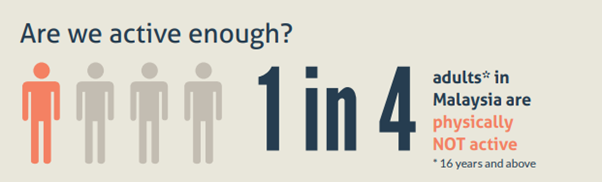
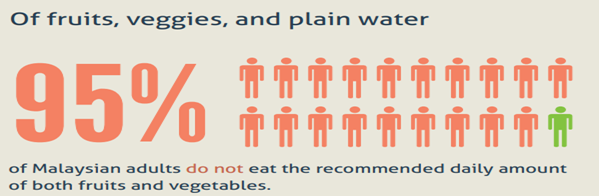
While there are many benefits to eating well, the data are mixed on whether diet alone can prevent certain cancers from returning. Nevertheless, there is strong evidence that a plant-based diet cuts the risk of cancer overall.
Many epidemiologic studies have shown that people who eat diets rich in fruits and vegetables and less red meat and animal fat have lower rates of some cancers, including lung, breast, colon and stomach cancers.
Fruits and vegetables contain antioxidants such as beta-carotene, lycopene, and vitamins A, C, and E, which protect the cells from free radicals - unstable molecules that damage healthy cells and are linked to aging and disease.
Phytochemicals, also found in fruits, vegetables, legumes/beans and grains, are compounds that may thwart the action of carcinogens (cancer-causing substances) and aid cells in blocking the development of cancer.
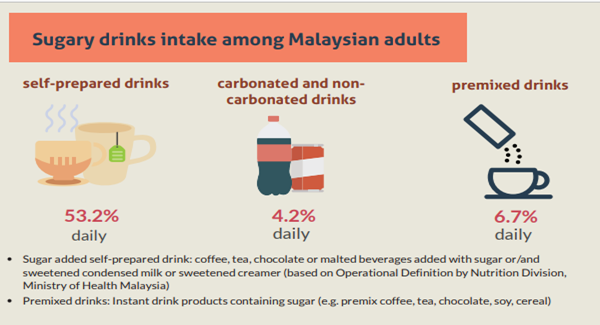
In a 2019 French NutriNet-Santé study, the consumption of sugary drinks increased risk of overall cancer and breast cancer. 100% fruit juices were also positively associated with the risk of overall cancer.
Research also shows that sugary drinks are a cause of weight gain, overweight and obesity. Excess body fat is a cause of at least a dozen cancers.
Limiting added sugar beverages (3-in-1, condensed milk, pre mixes), carbonated/energy drinks and other sugar-sweetened beverages reduces the risk of cancer by preventing overweight, obesity and weight gain.
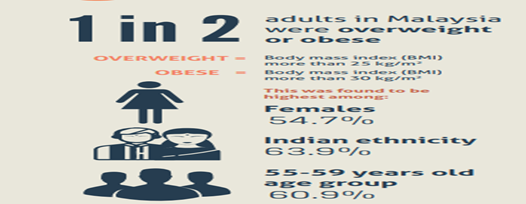
There is evidence that being overweight, which is a risk factor for numerous types of cancer, also increases the chance of recurrence and lowers odds for survival.
Research has shown that women who gain more than 6kg during treatment for early-stage breast cancer are 1.5 times more likely to experience a cancer recurrence.
Studies show that for men who have had prostate cancer, being overweight or obese raises the chances that their cancer will recur, spread, or lead to death.
During cancer treatment, many people lose weight because chemotherapy and radiation side effects, such as nausea, taste changes and loss of appetite, make eating unpalatable; sometimes the therapy itself impairs the absorption of nutrients.
Other people may put on weight from medications, reduced activity or emotional and stress-related eating. Consulting with a qualified dietitian will help in individualizing a nutritional diet plan.
In a 2020 study published in the Journal of Nutrition, cancer survivors reported a higher prevalence of any and multivitamin/mineral supplement use than individuals without cancer.
Cancer survivors also had a higher proportion of individuals with excess intake for vitamin D, vitamin B-6, niacin, calcium, magnesium, and zinc, contributed by higher intakes of these nutrients from dietary supplements. Nearly half used dietary supplements on their own without consulting health care providers.
Food – not supplements – are the best source of vitamins and minerals. There is no evidence that dietary supplements provide the same anti-cancer benefits as fruits and vegetables and some high-dose supplements may actually increase cancer risk.
To go or not to go organic? Research on the nutritional benefits of organic fruits and vegetables has been mixed, and there have been no studies examining whether organic produce is better at preventing cancer or cancer recurrence than non-organic produce.
About half of the cancers can be prevented by following a healthy diet and lifestyle. A balanced diet, being physically active and maintaining a healthy weight can leave a positive impact on your overall health status, including your risk of developing cancer.
The recommendations will also lead to greater quality of life for those living with cancer. – The Vibes, February 4, 2021
Rozanna M Rosly is the Head of Dietetic Services Department (Clinical Dietician) at the UM Specialist Centre