

OUR obsession with cars started at quite a young age. At the time, car design was what got our attention. However, we would still pay attention to what was being said about a car’s performance and ‘horsepower’ was always a unit of measurement that seemed to be mentioned.
Later on in our teen years, we realised that there was this other unit of measurement that seemed to have just as much importance, yet less prominence than horsepower. We are talking about ‘torque’, of course.
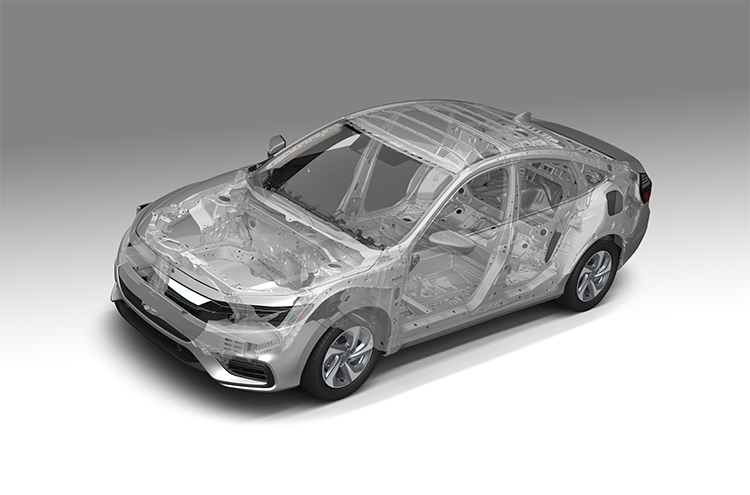
So what exactly is torque? The simplest way of understanding it is to think of it as a twisting force causing rotation. As a general rule, most petrol engines generate less torque than typical diesel engines. It is also the case that turbocharging tends to increase the amount of torque an engine has regardless of fuel type. Many manufacturers tend to find new ways to exploit the amount of torque available, either by turbocharging, specifically tuning engines or by setting gear ratios a certain way.
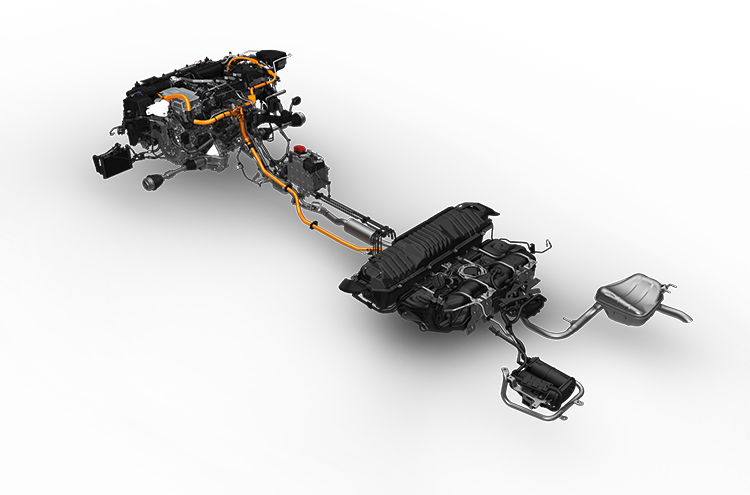
Now, most sports cars tend to put more emphasis on horsepower figures than torque figures. And that is for good reason, as it is a more relevant metric for higher performance vehicles. But higher torque that’s available more easily is more important in day-to-day driving, yes even if you are light-footed.
That is because a torque gets cars up to typical city driving speeds effortlessly. You don’t need to rev and engine hard (especially in turbocharged cars) to already be driving at 50km/h-80km/h. On older, naturally-aspirated (engine without turbocharger or supercharger) vehicles, the build-up to that speed can take a lot more effort and there’s generally more noise and time taken to get to a decent velocity. With higher torque at the lower end of things, you can have just a toe on the pedal and be on your way. And if you keep driving with a light foot, you still get great fuel efficiency, but you don’t have to drive at a snail’s pace to get it.
As you can imagine, this concept of ‘ease-of-driving’ in the city can be extended to more challenging driving situations. Say you are driving uphill or need to overtake another vehicle. In cars with high torque, the acceleration you are looking for is right there when you need it. It is less dramatic than dropping a gear and having your engine scream, but for 90 per cent of drivers out there, the less effort these things take, the better. Torquey engines can give you the same results in a more refined manner.
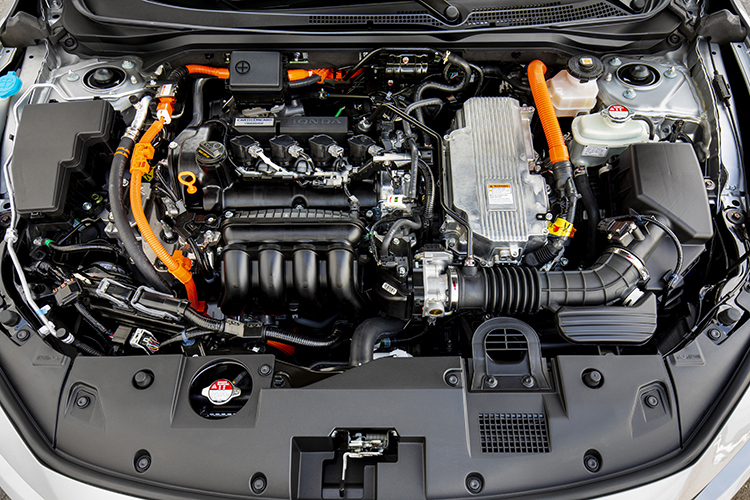
But say you are in that 10 per cent of drivers who look for a bit of thrill behind the wheel… Well, then torque can give you a lot more “push” and instantaneous acceleration. Let us share with you an example of what we mean. We have a work mate who drives a 30-year-old Honda with a 1.6-litre B16A engine. This thing has more horsepower than torque (162 horsepower, 150Nm of torque), but to get any kind of real performance out of that car, he needs a nice clear stretch of road to get the engine revolution up to 7,000rpm. As fun as that is, it is a rare treat. By the time we are getting the performance we want, we need to slow down as the clear road has ended.
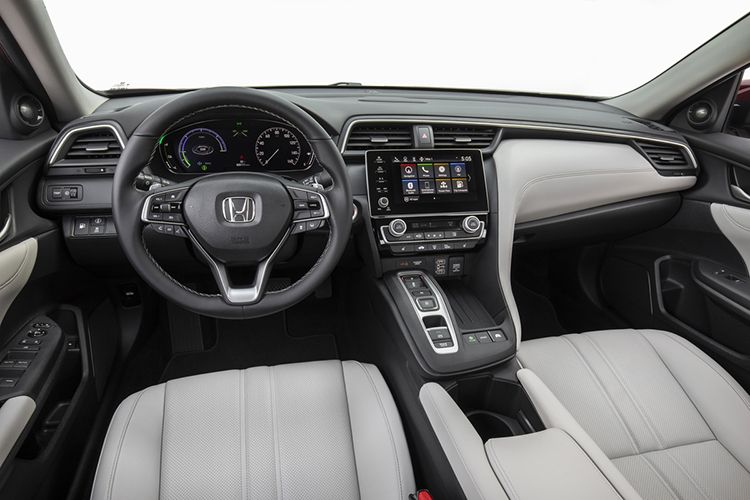
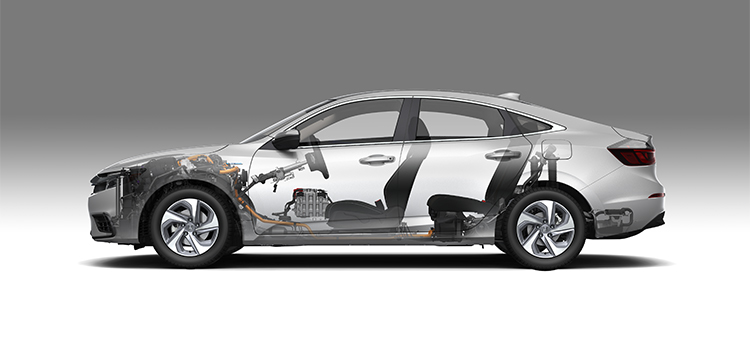
Last year, we got to drive the Honda Insight and CR-V with the i-MMD system at the Twin Ring Motegi. This is a mostly an electric system, so torque is immediately available. This was a very short test track, so there wasn’t a lot of space to build speed up. But because torque was always available, we could shoot out of every turn with ease. Less drama, more actual performance where it matters. – The Vibes, October 1, 2020
This article is powered by www.dsf.my. For more automotive updates, follow DSF.my on Facebook and Instagram.