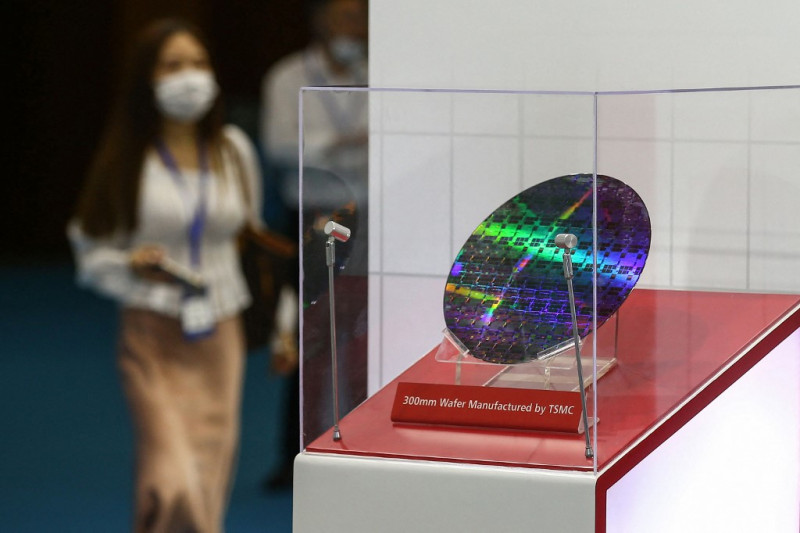

COMPUTER chips, or semiconductors as they are also known, are in just about everything these days – from phones to televisions to cars. It’s not an exaggeration to say that much of our way of life depends on them.
However, due to a number of factors – including the pandemic and its effects on consumer demand – there is now a shortage in these parts, the most serious shortage of this kind in many years.
Initially Covid decimated consumer demand, but that quickly rebounded as the lockdowns around the world led to an increase in sales of devices to let people work from home, as well as new gadgets to occupy their time off.
Likewise, the car industry, at first, saw a big drop in demand and therefore cut its orders, which led to chipmakers switching over their production lines to other sectors.
But then, in the third quarter, car sales came back quicker than expected, while demand for consumer electronics continued unabated, leading to a logjam in demand.
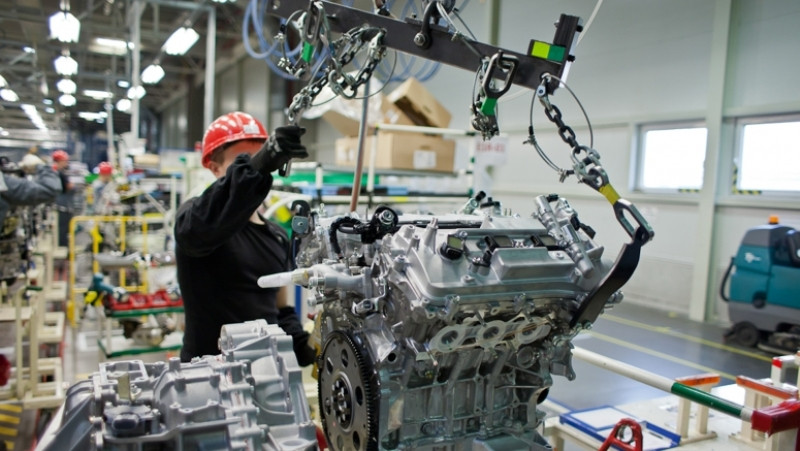
Earlier this month, General Motors announced it was cutting production at four of its factories around the world.
“Despite our mitigation efforts, the semiconductor shortage will impact GM production in 2021,” GM spokesman David Barnas told Reuters in a statement.
Several carmakers, such as Volkswagen AG, Ford Motor Co, Subaru Corp, Toyota Motor Corp, and Nissan Motor Co have reduced production.
Videogames – one of the few industries to seemingly benefit from the pandemic – has seen sharp increases in the number of games being played, with PC game service Steam reporting a more than 50% increase in hours played compared to 2019.
Unfortunately, the hardware side of the equation is not as rosy. For PCs to run the latest and greatest games, a top-of-the-line graphics card (GPU) is pretty necessary.
Late last year, GPU powerhouse Nvidia released the 3000 series of graphics cards, which according to all the charts and figures, has tremendous gains over the previous generation of cards.
Unfortunately, demand has far outstripped the availability of the cards, which has led to scalpers selling the cards at exorbitant sums (the GPUs are already expensive, coming in at a couple thousand ringgit).
"Gaming demand is off the charts," Nvidia's CFO, Colette Kress, said during CES. "Our overall capacity has not been able to keep up".
Sony released its new flagship gaming console, the Playstation 5 (PS5) late last year (November in Malaysia) and recorded 4.5 million units sold as of the end of 2020.
Though these are healthy numbers, there is still a huge demand, which has also led to scalpers re-selling the machines at a premium (the PS5 is available for around RM4,000 on Shopee, nearly double the original price).
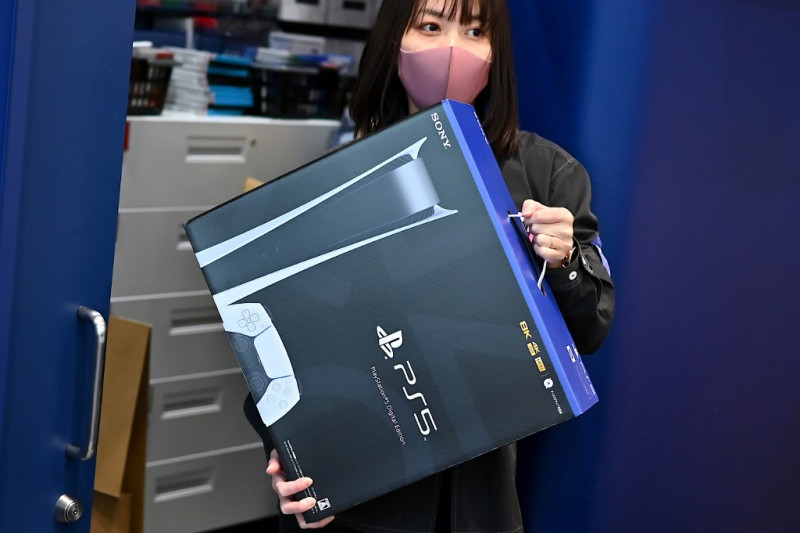
"It is difficult for us to increase production of the PS5 amid the shortage of semiconductors and other components,” said Sony CFO Hiroki Totoki, alongside the release of a recent earnings call.
“We have not been able to fully meet the high level of demand from customers (but) we continue to do everything in our power to ship as many units as possible to customers who are waiting for a PS5."
While the pandemic is a new wrinkle, some of the roots of the present crisis are a long time coming.
Though the United States is the global leader in designing these chips, Taiwan and South Korea – through Taiwan Semiconductor Manufacturing Company (TSMC) and Samsung Electronics, respectively – hold a virtual monopoly on production.
And TM Lombard economist Rory Green estimates the two Asian nations account for 83% of global production of processor chips and 70% of memory chips.
It’s not a simple decision to flip the switch and increase production, as many of these factories are already operating at capacity. Building new facilities takes years.
China and the US, will likely make efforts to be more self-sustaining by producing their own chips in the future, but that too will take time.
In the meantime consumers will have to adjust as some devices will be hard to find, and there will be waiting times for things like certain car models. Don’t expect price cuts to come as quickly. – The Vibes, February 9, 2021