
JUST one more turn…
For as long as I have been gaming – which, shudder to think, goes back to the early 90s (floppy disks and MS-DOS) – the danger of full-blown addiction has been right there, ready to pounce at a moment’s notice.
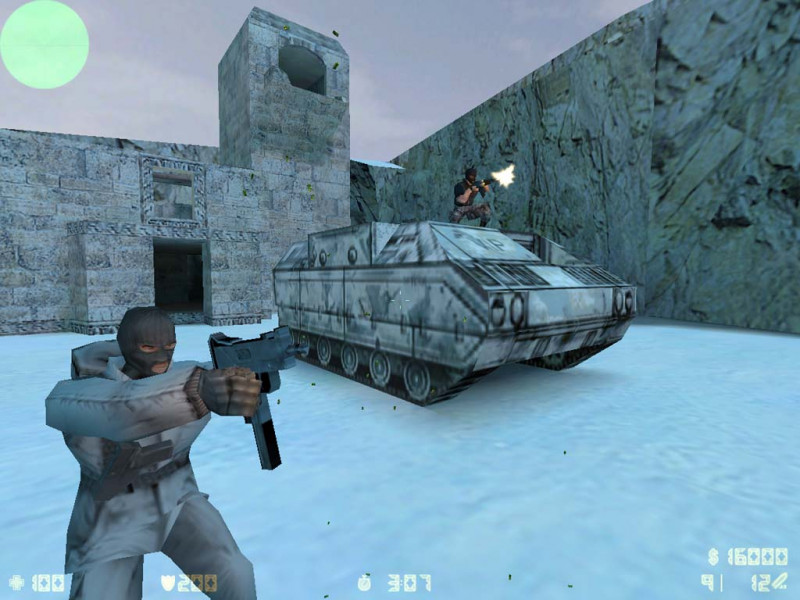
Whether it be in the appropriately dusty corridors of ‘Counter-Strike’s’ de_dust, or as an omniscient being managing a civilisation through the ages in well... ‘Civilization’, or grinding for stat upgrades in just about every roleplaying game, gaming addiction hits, no matter the gamer’s flavour of choice.
Despite the still prevailing notion that gaming is a young person’s activity, a recent survey showed that only 21% of gamers were aged 18 and below, at least in the United States. There’s no reason to believe it’s any different around the world, even though cellphones are the primary gaming device for many in countries where computer components and gaming consoles are too expensive.
There are the standard physical ailments that come with sitting in one place for a prolonged time without much in the way of exercise, be it carpal tunnel syndrome and tennis elbow from clicking too much, or vision problems that come from staring at a screen for too long.
In 2018, the World Health Organization included ‘Gaming Disorder’ in the 11th revision of the International Classification of Diseases as one of the mental disorders caused due to addictive behaviour.
The American Psychiatric Association, as of 2013, defined Internet Gaming Disorder (IGD) as nine systems. It includes tolerance, the need to spend more time gaming to satisfy the urge (yikes); giving up other activities, loss of interest in previously enjoyed activities due to gaming (double yikes); risk, having jeopardised or lost a job or relationship due to gaming (feels bad, man); among others.
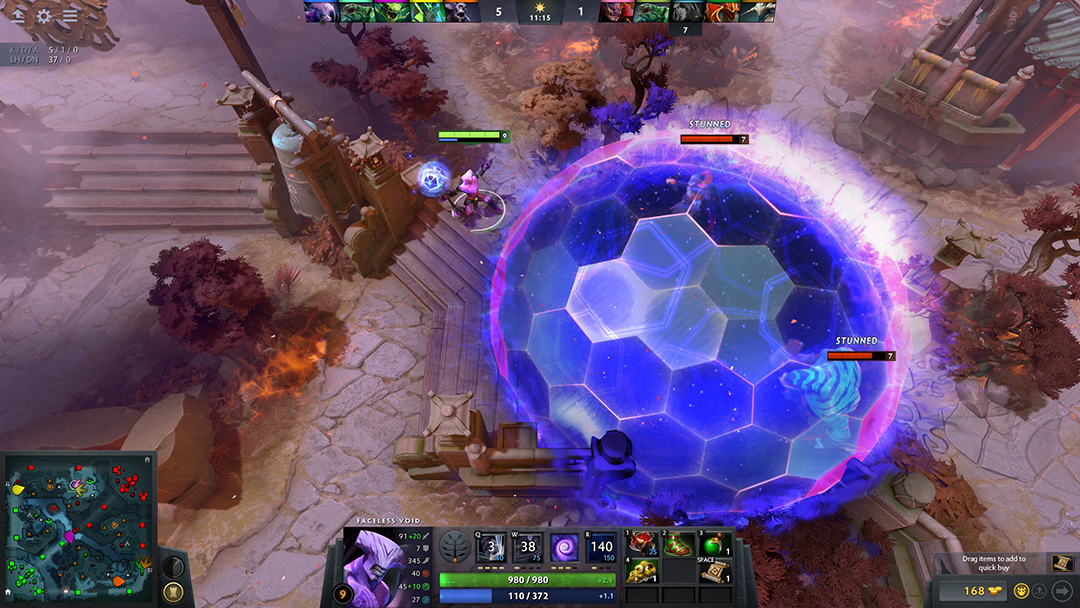
Fortunately, we are no longer in the heyday of the cyber cafe. This means fewer horror stories of guys (because it’s mostly dudes) dying from blood clots after an overly extended session of ‘CS’, ‘League of Legends’, ‘DOTA’, or the MMO du jour.
It’s not really about the genre or franchise, it’s about the feedback loop that is inherent in gaming. You press a button on your controller (or keyboard and mouse) and something happens on screen just about instantaneously. The character shoots a gun, swings a sword or an empire’s tax rate goes up a few percentage points. And depending on the game, you will know sooner or later whether that was the right move to make.
Positive moves are rewarded and bad decisions are punished. If it’s the latter, it can be quite discouraging. Of course, you could always quit, but who wants to be a quitter? No, instead you self-flagellate (metaphorically speaking), and push through. If you get stuck, just hit up a FAQ (or watch a guide on YouTube).
Then you might find yourself in another rabbit hole of gaming videos and Twitch streams, which can be its own addiction.
The various lockdowns that have blanketed the globe in the pandemic era have generally benefitted the video games industry while hurting entertainment options that depend on the communal aspect (cinemas, concerts, attending sporting events).
Steam – the service of choice for the discerning legal gamer – reported that 21.4% more games were purchased in 2020 compared to 2019, as well as 50.7 more hours played in 2020 compared to 2019.
Again, this is for PC users worldwide who buy games through Steam. Extrapolating this to every gaming device, especially the booming mobile market, it is clear that gaming has an even stronger foothold.
With schools closed for extended periods, and work from home a reality for the typically office-bound, the temptation to game is an even stronger pull.
Gamers tend to be antisocial in the best of times (which ironically makes them suited for the times we’re living in), but with more people joining the flock against their will, gaming now also functions as a social gathering.
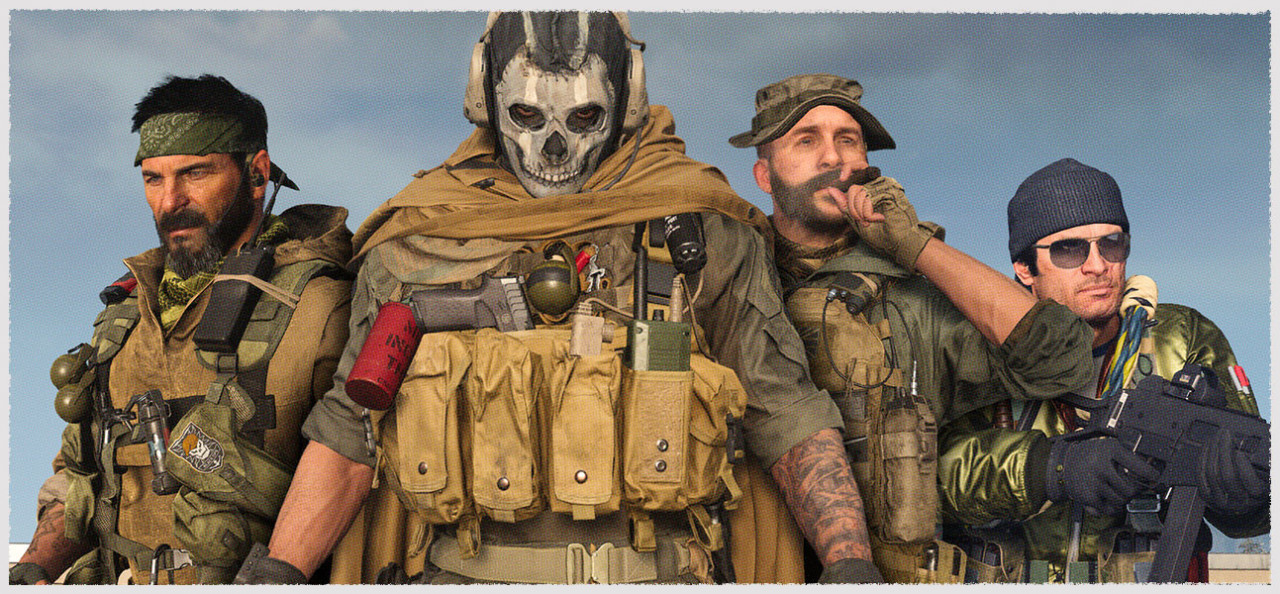
Instead of commiserating in one’s pub or hawker centre of choice, one can converse with friends over voice comms in ‘Call of Duty: Warzone’. There’s probably more in the way of frustrated cursing (depending on how well the squad is doing), but there’s no better feeling than coming together for the win.
The self-satisfaction that comes from besting an opponent in a video game can be transcendent, especially so if the nemesis is another human. Insulting others should be frowned upon, but in the heat of battle, plenty of unwise things can be said.
There are of course other games like ‘Minecraft’ where working together in a non-violent fashion is the optimal experience. Building a community is often its own best reward.
Other than virtually meeting up with friends, there are all sorts of single-player experiences that are not dependent on having fast internet speeds (still need those for prompt downloads though).
The recently released and still quite buggy ‘Cyberpunk 2077’ is the latest iteration of the sprawling role-playing game featuring dozens of hours of content, if not more. The ‘Fallout’ series (at least the earlier games), ‘Elder Scrolls’ and the classic games of Bioware are perfectly crafted to squeeze hours out of one’s life.
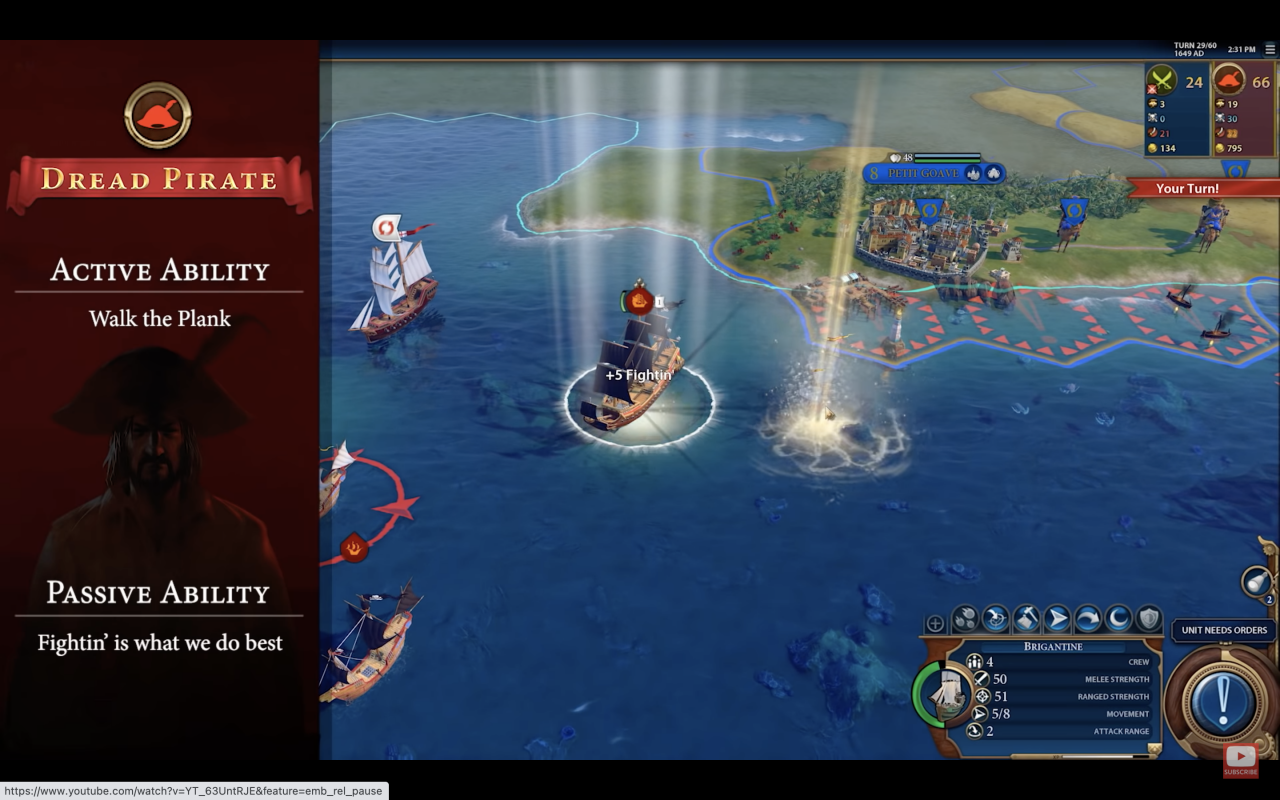
There are also non-narrative games of the kind typified by ‘Civilisation’ that has given many a gamer grief. One second you could be plopping down ancient London and in a blink of the eye later (and nine real-life hours) you’re in the modern era, being insulted by a nuclear mad Gandhi.
Lately, the games of Paradox Interactive – such as ‘Crusader Kings’, ‘Hearts of Iron’, and Stellaris have taken up this mantle. These games also don’t require the most powerful machines, so just about anyone can play them. The time that could be spent reading or learning a new language gets sucked away all too easily. But hey, at least you’re having fun.
If I’m being honest, I’ve probably succumbed to game addiction more than a few times, to the detriment of other aspects of my life. I’m not saying I would be an astronaut with a PhD, but I’m also not not saying that. Oh well, at least I’ve been a space marine more than once. – The Vibes, February 23, 2021