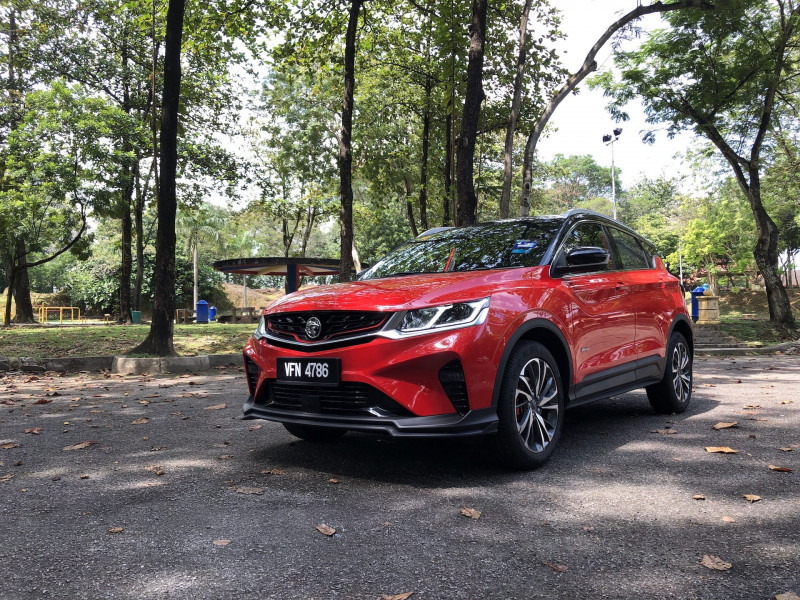

IT is a rising concern for Malaysians who ordered their new Proton SUV X50 when bookings opened in September last year, as the X50 owners Facebook page currently shows some buyers have been waiting almost six months without any news from their dealers when their new Proton X50 Crossover will be delivered to them. Then there are some others who got their X50s in just two to three months.
In the past two months or so, the waiting list for Proton’s popular crossover, the X50 has already breached the 9-month waiting time and this is not surprising as the bookings are now past 32,500 units and counting at the moment with more than 8,100 plus units already delivered to date.

Local assembly has been disrupted as some parts suppliers have been hit with Covid-19 cases at their factories and this means parts cannot be manufactured and delivered to Proton’s factory in Tanjung Malim for final assembly of the X50.
In addition to this, there is also the issue of the shortage of computer chips which is affecting car manufacturers around the globe. Geely and Proton have not mentioned a chip supply issue, but looking at the technology behind the dashboard of this Proton X50, it is clear that a number of computer chips are being used for the entertainment system, safety features and also the powertrain.
The reason for this is because technology companies who produce semiconductors have been diverting their efforts to consumer electronics to fuel the new work-from-home lifestyle in almost all developed countries around the globe, leading to a semiconductor shortage in the automotive market.
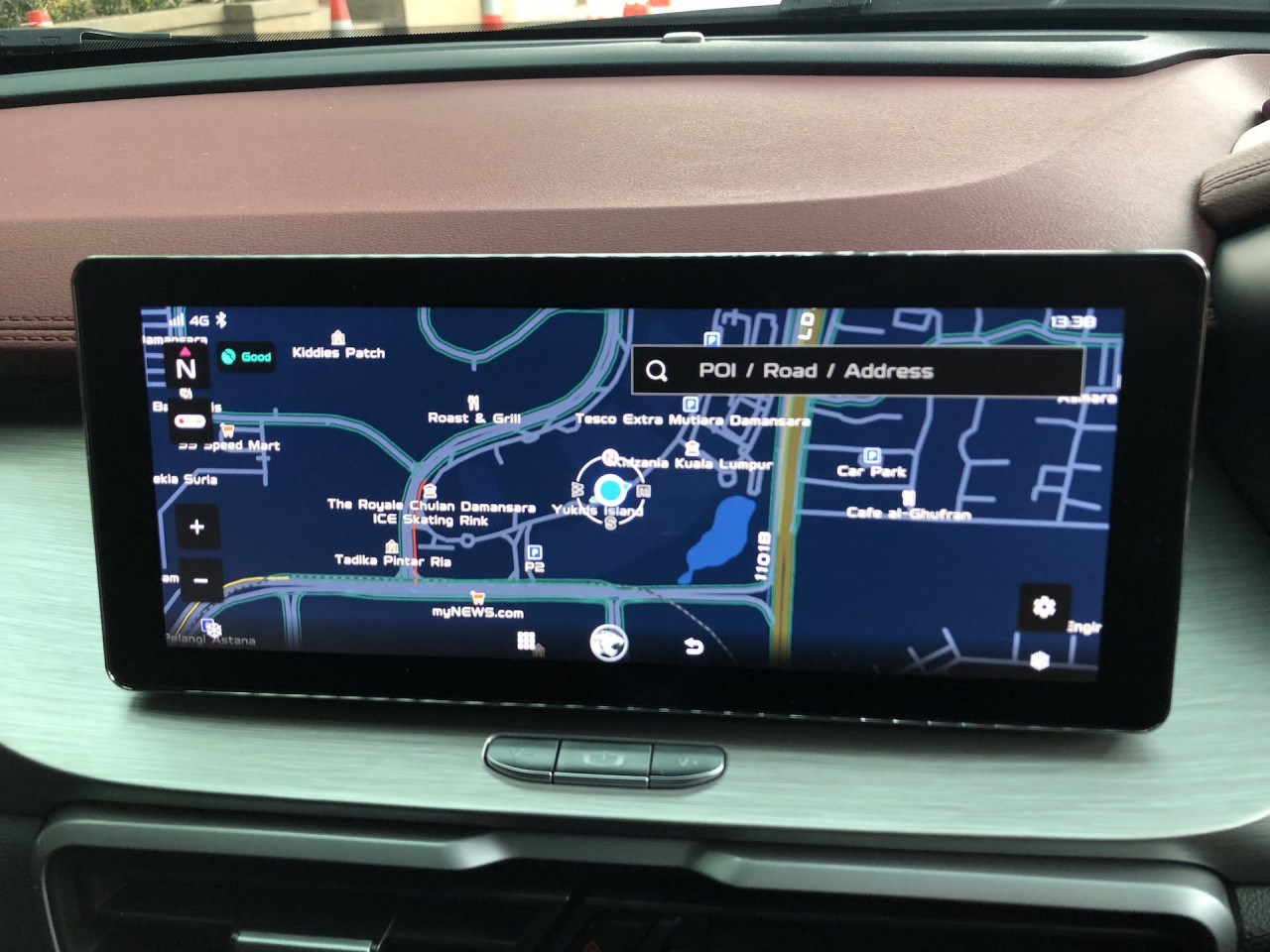
New car buyers want more and more technology inside their cars and so cars are getting smarter and that requires additional technology to make them function for the new generation of consumers. Due to Covid-19 and the stay at home and work at home culture has been practiced, it is a time where the demand for consumer goods has never been higher.
Chipmakers favor consumer-electronics customers because their orders are larger than those of automakers whereas the annual smartphone market alone is more than 1 billion devices, compared with fewer than 100 million cars around the globe. Auto manufacturing is also a lower-margin business, leaving auto manufacturers unwilling to pay a premium for chips as prices moved up the last year.
And while the newest cars require more chips, so do the latest consumer gadgets. New generation smartphones using 5G connectivity require 40% more semiconductors than older 4G versions.

Toyota, Volkswagen, Honda, Nissan, Ford, Fiat and even Jeep have been having production delays due to semiconductor supply issues.
In January this year, German tier-1 suppliers Continental and Bosch stated that their slow start-up of semiconductor manufacturing could affect vehicle production around the world. – The Vibes, March 3, 2021
This article is powered by www.dsf.my. For more automotive updates, follow DSF.my on Facebook and Instagram