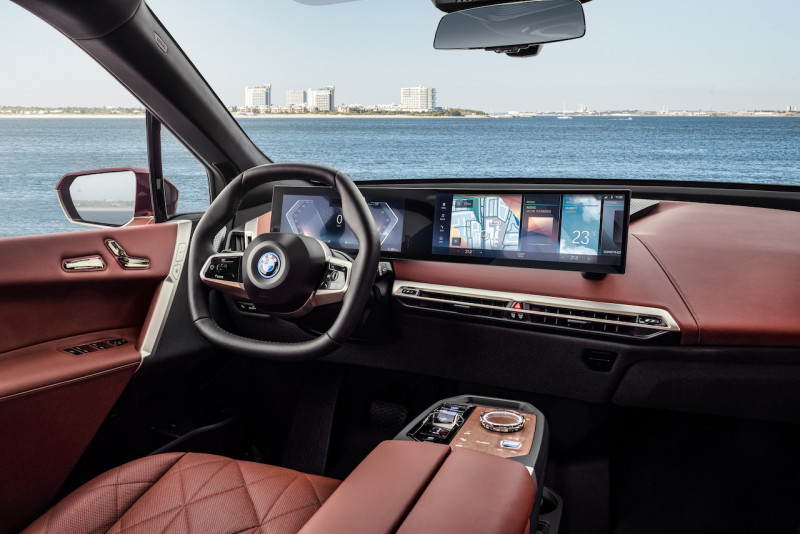

THE automotive world is scrambling to provide more technology than ever before for drivers and their passengers. No longer is the car a humble means of transportation. It is evolving into a ‘gaming center’, ‘mobile disco’ or even a ‘cinema’. Yes, the cabin of new generation vehicles are getting more technology than some super computers and the new generation of car buyers want even more.
When we were young drivers, some 35 plus years ago, it was horsepower, torque, tyre/wheel size, exhaust and sound system watts that we wanted. Today its connectivity, graphics, colours, how many ‘G’s and what chipsets are being used. It is like buying a high end gaming computer with wheels.
Car manufacturers are teaming up with technology companies to fuel this insatiable appetite for technology inside and leaving drive dynamics and handling to computers inside the car to do the driving.
This is why we do not find a flat colourful touch screen running most of the dashboard length anything but distracting and useless to us. We already have a tablet and smartphone for that. We do not need more of this in our car.
This is why we will continue to keep our old car which does not have any financing left on it and leave the buying of new cars like the BMW iX4 and iX3 to the next generation of drivers, our children.
20 years ago BMW introduced a new way to use the vehicle infotainment system and functions. It was called iDrive and it took some learning. Just as we got used to it, here comes version 8 of the BMW iDrive system.

This new generation of BMW iDrive brings a new design language for the newly developed BMW Operating System 8. Strong and eye-catching graphics, modern colours, futuristic textures and forms, bright light and the interplay of reflections create an impressive and immersive visual appearance. At the same time, the user interface has been optimised to present the right amount of information at all times in a simple and easy-to-understand way.
The information displayed in the driver’s central visual axis impresses both with its generously sized screen surface and its striking forms, dynamic light effects, strong depth of colour and modern colour worlds. All of the displays have an extremely high graphic resolution of 200 ppi.
The extensive individualisation options available for the screens in the display area behind the steering wheel can be selected extremely quickly and easily via the function keys on the steering wheel. The two-axis operating system enables user-friendly vertical list navigation with the rotating key, as well as toggling between menus by tilting horizontally.
The driver can switch between three layout types and various different widgets according to personal preference or the driving situation at hand by thumb control and in just a few operating steps. In the Drive layout, drivers can use a dynamically changing area in the center of the information display to show individually selectable information. The Focus layout, meanwhile, has been designed for extremely dynamic driving situations.
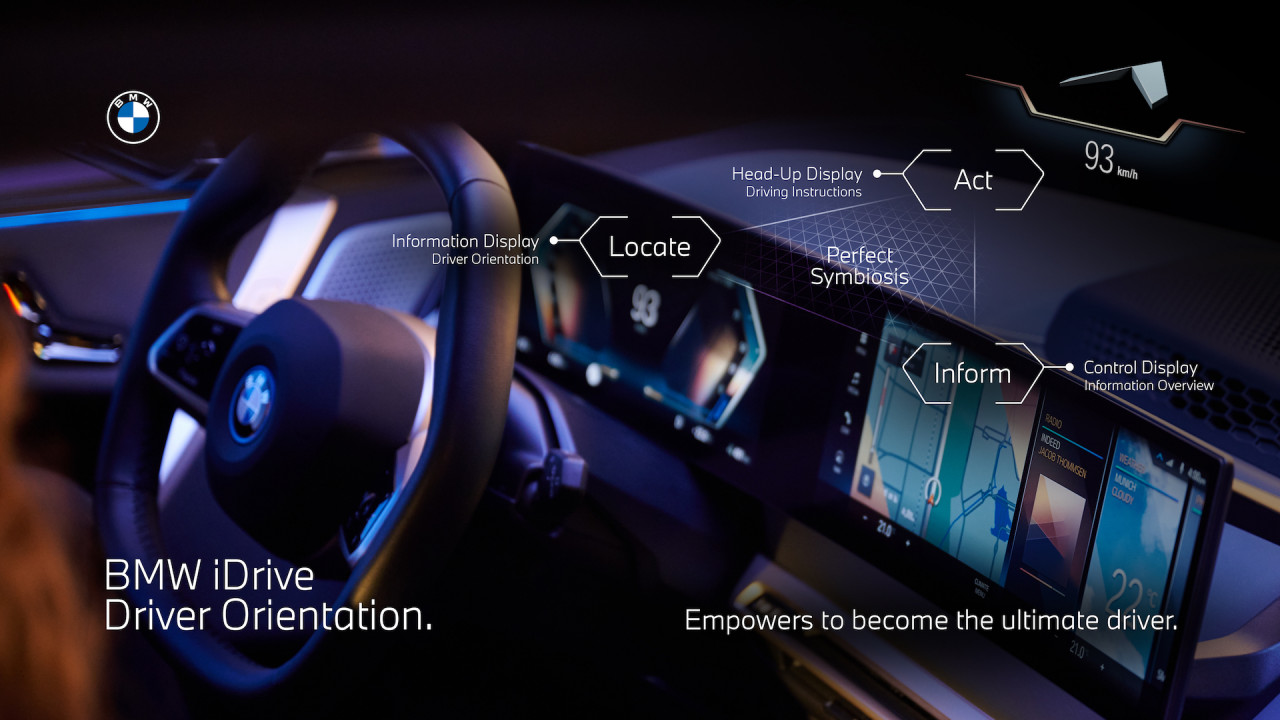
By contrast, the Gallery layout largely minimizes the driving information view to clear as much space as possible for widget content. For example, information on the media source currently being accessed, the map displays or the interventions and action prompts of the driver assistance systems are presented in even greater detail.
Colour-coordinated, three-dimensional animations imbued with extra dynamism by the use of light reflections give each of the three layouts a distinctive character.
The clear structure and new arrangement logic employed for the widgets, which provide a flawless overview of the relevant information at all times, are an immediately eye-catching feature of the large, horizontally stretched control display. The widgets line up in an unbroken ribbon on the home screen. The content of the widgets is pared back to essential information and presented as a live image.
Frequently used functions are shown in the widgets and can therefore be activated directly by touch. The driver is free to choose the widgets shown on the home screen and configure their order. At the same time, widgets can change depending on the context using seamless and fluid animations to show more or less information, as the situation demands.
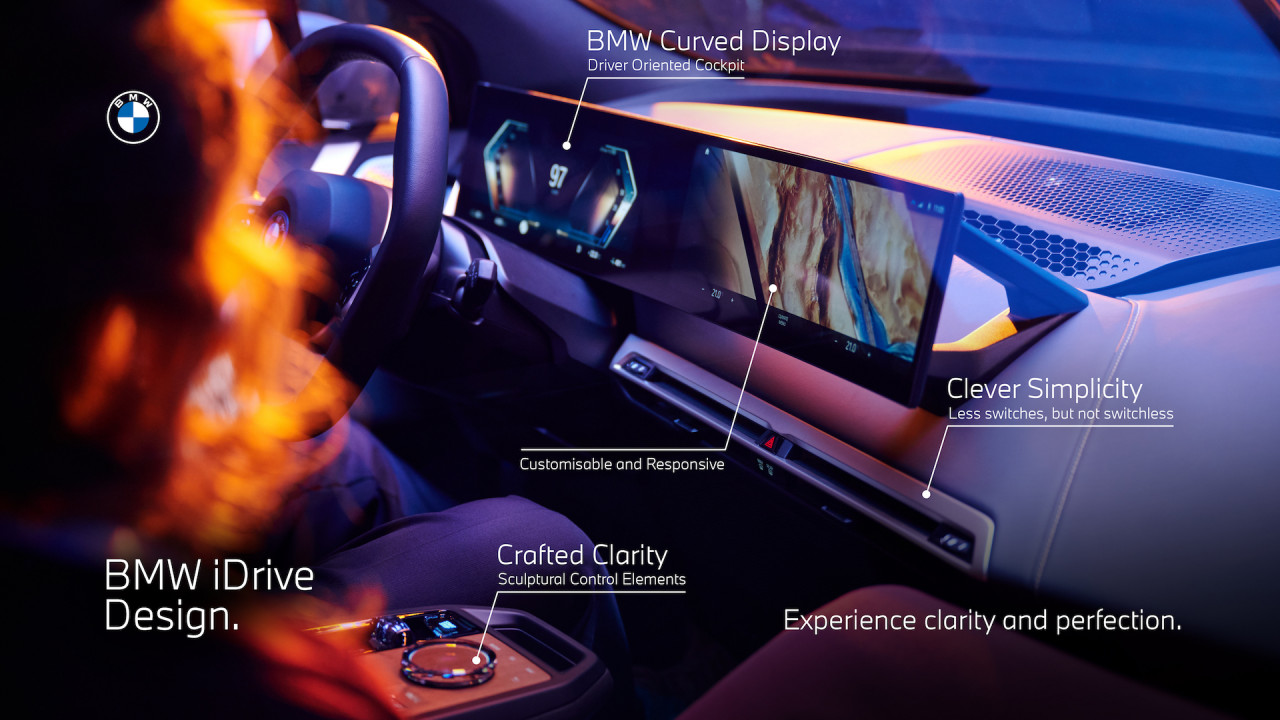
The newly designed media player represents a particular aesthetic highlight. Taking the "reduced to the essentials” approach a step further still and adopting a simple arrangement, the clarity of its design has a magnetic appeal. An algorithm selects the cover colour scheme of the music track currently playing and reproduces it dynamically across the display area of the media player.
This new version of iDrive will arrive in the BMW iX and i4 full electric cars and you will probably even see it in future Mini and BMW plug-in hybrid models. – The Vibes, March 17, 2021
This article is powered by www.dsf.my. For more automotive updates, follow DSF.my on Facebook and Instagram