SYNONYMOUS with family reunions and long drives to the kampung, Sabah’s Hari Kaamatan takes root as a community or clannish affair.
Observed by Sabah's KadazanDusun ethnic groups, much has evolved in Kaamatan. It is a festival of thanksgiving of sorts linked to the padi and the KadazanDusun and Murut people of Sabah.
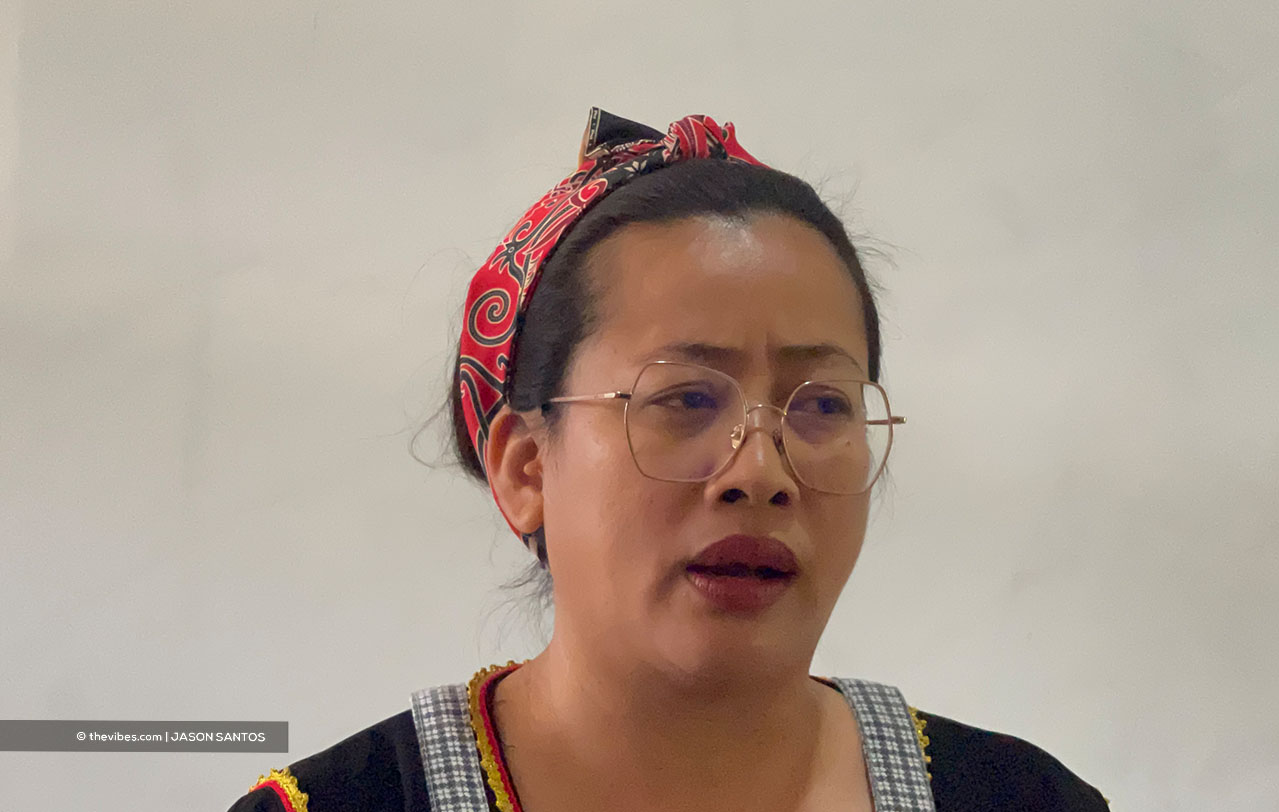
Former Moyog Assemblyman Jenifer Lasimbang from Penampang said that padi harvesting time means families and the communities come together to work on the padi fields.
The merry-making comes after all the harvesting is done, she said.
“These families used to live in long-houses and as the family or community expands, the work is done together.
“The cooperation among the communities is what we called 'Mogitatabang' or Gotong Royong in Malay,” she told The Vibes.
But much has evolved today. She said that Kaamatan has now become a reunion celebration as many KDMs have ventured out of the state to find work, study and live outside of Sabah.
Like Sabah, harvest festivals are also celebrated in many parts of the world. They are Korea’s Chu Seok, China’s Mid-Autumn Festival, Akshaya Tritiya in West India, Flores De Mayo in the Philippines, Gawai in Sarawak and West Kalimantan. All are celebrated on different days of the year.
For Sabah, the official celebration is held on May 30 and 31, but the celebrations go on for a month-long.
In the olden days, harvest festivals fall during the harvesting time of the year in Sabah, so they can be held at different times in other parts of Sabah.
For instance, some Sabah districts on the east coast would hold it in June, according to local observers.
It was not until the 1960s, that Sabah KDM leaders agreed to hold it at the end of May. Now the event is held at the Kadazan Dusun Cultural Hall or the “Hongkod Koisaan” (Unity Hall) in Penampang, the heartland of the Kadazan people.
But as the pandemic hit the country, Sabah skipped the Kaamatan celebrations in 2020. Thus, there was no merry-making or large gathering at the hall last year.
This year, organisers have decided to go online. The theme is “Borderless Kaamatan” or in the Kadazan language, “Sunduvan Kaamatan Aiso Vohit”.
Lasimbang said one of the core essence of the Kaamatan is the spirit of sharing food and drinks. The yield from their padi fields is shared among those in the community.
She recalled in the olden days, villagers had a rice stockpile or storage called the “tangkob”.
“It is a system where all the padi yields are shared by the people.
“This is to ensure that no one goes hungry or lives without family. Everyone is taken care of until the next harvesting time,” said Lasimbang.
He added that the Kaamatan celebrations are also a sort of thanksgiving day.
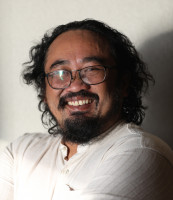
Meanwhile, Penampang activist Jo Nandu, who was born in the 70s recalled growing up that the Kaamatan involved a sacred ritual.
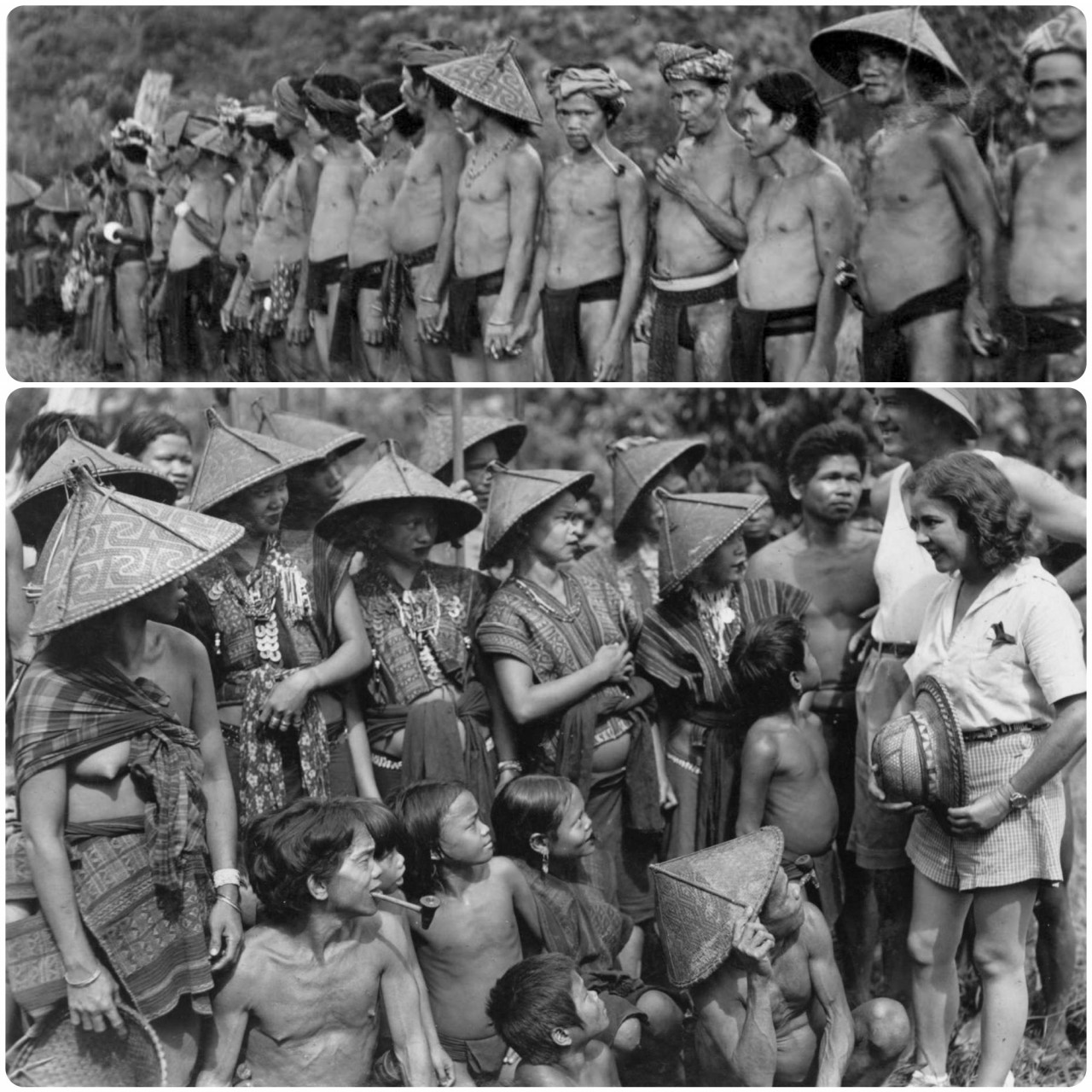
“Every kadazan family in the old days, when they got married, didn't leave their village.
“Everyone lives as one big family in their long-houses and there they toil their land and go hunting.
“But this is no longer the practice. The story of Kaamatan revolves around Kinoingan, a god, and his family, Sumundu and Huminodun.
“So as a whole, the Kaataman is about family bonds,” he said. He also revealed the mogitatabang which involved working together during harvest time.
He noted while the women want to be the “Huminodun” via the Unduk Ngadau, the men dream of becoming “Monsopiad.”
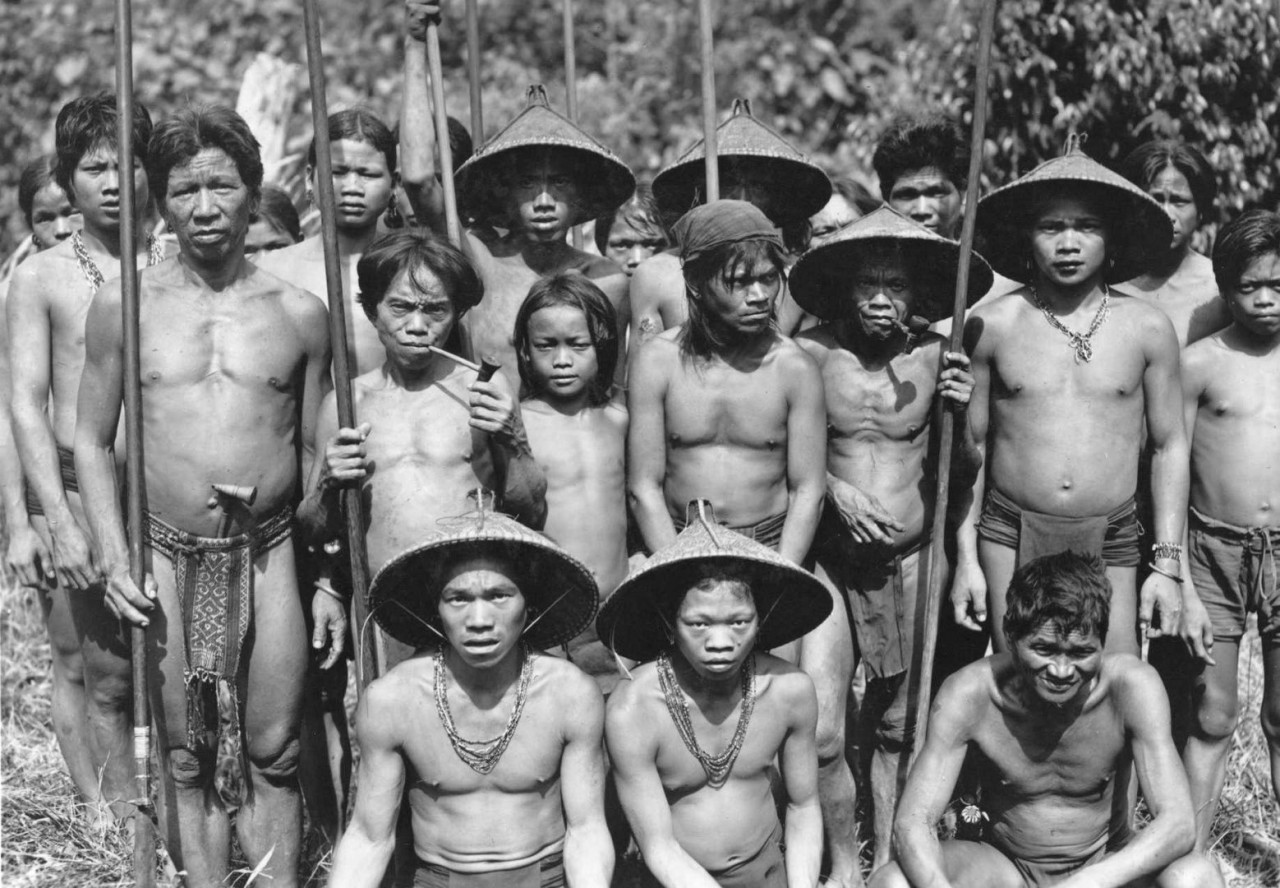
According to the KDM legend, Monsopiad is a man bestowed with super strength and a feared warrior of the past, back when headhunting was still in practice in Borneo.
“For the young boys, they dream of becoming like Monsopiad.
“I used to remember back when I was smaller, there was the Unduk Ngadau for the young girls and there’s also the Monsopiad contest for the men.
“It is sort of like a bodybuilding, or hulkster, competition for the men. All the boys wanted to be as strong as Monsopiad,” Jo said.
However, Jo said this is no longer a competition. Instead of organising a body-building competition, a singing competition called the “Sugandoi” is usually held during Kaamatan.
But Jo said he understands why strength is an important trait for the KDM people in the olden days.
“Imagine the work involved in padi planting. People had to pull the buffaloes, carry stone markers to mark their padi borders and much more heavy-duty work,” he said. – The Vibes, May 31, 2021