
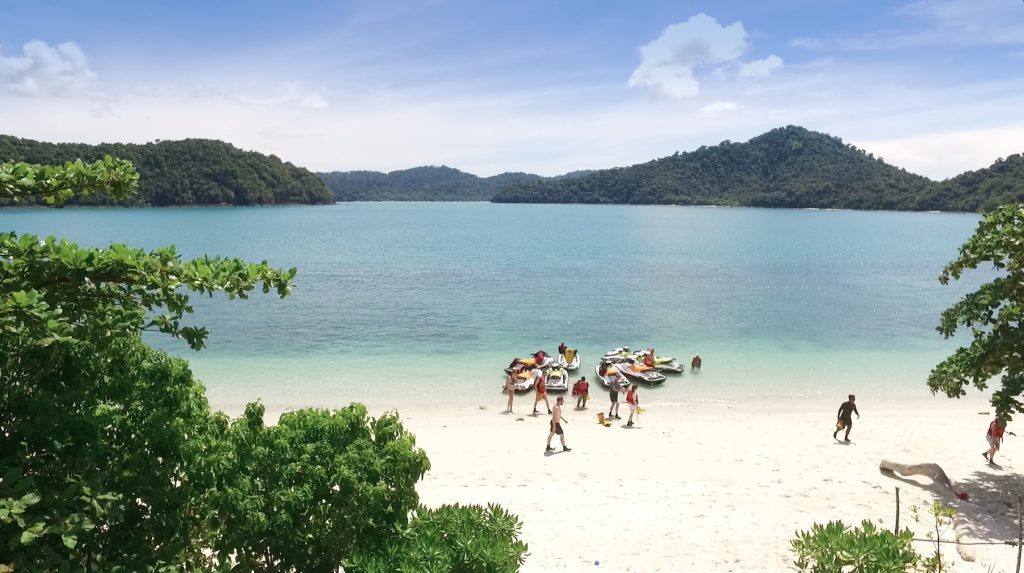
IMAGINE when one is out holidaying, there is a package offering a water sports adventure where after the thrill of riding a jet ski, one is encouraged to help collect rubbish floating about in the open seas, at the tail end of the experience.
Such distinctive efforts have become the mainstay of Langkawi's largest jet ski operator – Mega Water Sports Sdn Bhd's tourism experience.
And for its innovative packages and commitment towards protecting the environment, the operator was hailed as the winner of the TripAdvisor Travellers’ Choice Award for Best Tourism Experience in Malaysia for 2019.
Its chief operating officer Hussein Mohd Said shared the company's efforts in helping maintain cleanliness as part of its tourism product, saying that it is a must to stop the then indiscriminate littering, especially in the open seas.
Since last year, the rate of littering and pollution were expected to have reduced in tandem with the reduction in tourism-related activities.
Instead, Hussein observed plastic waste had accumulated in the seas pre-Covid-19, floating from as far away as neighbouring Thailand or Indonesia.
It was then painstakingly collected by the jet ski guides and Hussein, who is an avid water sports enthusiast himself.
Hussein realises that the future of tourism lies in conservation and preservation, instead of just the commercial aspects of constructing hotels and shopping malls.
Mega Water Sports was riding high until Covid-19 came along and decimated the industry in the past 15 months, and with each passing day under lockdown, the leisure industry players see their investments rot with the uncertainty.
Learning from the past and present
Like all Malaysians, they look forward to when normalcy can return, but for Malaysian Nature Society vice-chairman Eric R. Sinnaya, there is a need not to repeat the mistakes of the past in the haste to pursue the recovery of tourism.
"Enough of half-baked efforts and the failure to understand what sustainability entails. Also, enough of development which cannot co-exist with the beauty of an island."
Instead of pouring in millions to build concrete structures, which make the country look like others around the world, more allocations should be channelled towards protecting the unique areas of mother nature and to teach people to appreciate what makes up an ecosystem, said Sinnaya, a veteran travel agent.
At the age of 66 with his entire adult life in the tourism trade, Sinnaya is now witnessing the resurgence of a greenery movement as society begins to heed the lessons from Covid-19 and to prepare for the next disaster in the making – climate change.
To him, it is inevitable that global warming will have an effect on many tourism destinations but just like Covid-19, it is how the authorities, and the people rise to such challenges, which are crucial if the country is to survive.
He said that the national tourism recovery plan lacks emphasis on sustainability and travel trade players fear that the authorities may be repeating the mistakes of the past.
There should be an emphasis on empowering small medium enterprises to venture into eco-tourism and on areas which offer tourists the benefits of conservation and preservation of the natural resources such as the rainforests, hills, rivers and beaches.
Tourism was suffering for at least one decade before Covid-19 struck, according to him, so the extent of the suffering was anticipated but what Sinnaya didn't foresee was the inability of the authorities to mitigate the crises effectively.
There were already rumblings of discontent, of abuse and of malpractices – the virus just caused those struggling to fold up their operations quicker.
"In honesty, the authorities tried but when the virus spread more and more, they seemed at a loss over what to do. Here, the private sector can step in."
Sinnaya said that the private sector is driven by competency to succeed.
So, particularly the big investors should focus on conservation and preservation, making it habitual to protect the culture, the heritage, the environment, and the traditional arts.
For example, the majority of the packages now incorporate eco-tourism, but such trips should also entice the participants to help the operators to clean up the environment.
It is a holistic approach where tourists can clean up the environment, while learning new lifestyle aspects, from culinary to traditional medicine and arts such as the ‘wayang kulit’ (shadow play).
Also, the arts scene must retain its creative force from stage plays to paintings, murals, and drawings. It can be revived in a big way to induce the tourism recovery process.
Bouncing back through an environmental friendly approach
Malaysia reportedly lost up to RM25 billion in revenue last year and the global tourism sector as a whole lost US$1.3 trillion in 2020 as the number of people travelling plunged.
The United Nations described it as "the worst year in tourism history."
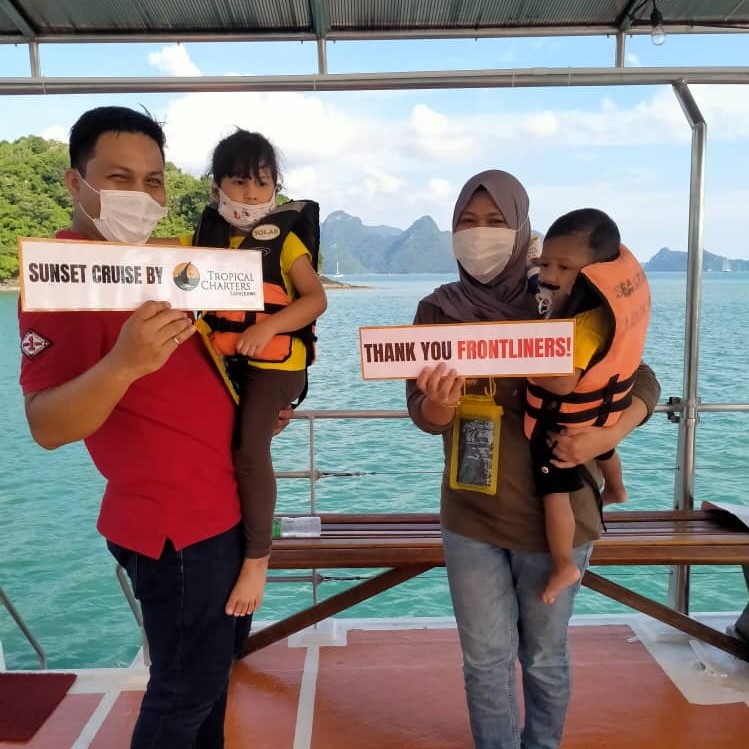
For Tropical Charters Sdn Bhd chief executive officer Datuk Issac Alexander, the capital costs for pursuing sustainability is lower than the devotion towards physical development, due to the rising prices of commodities and inflation because of the flat economy.
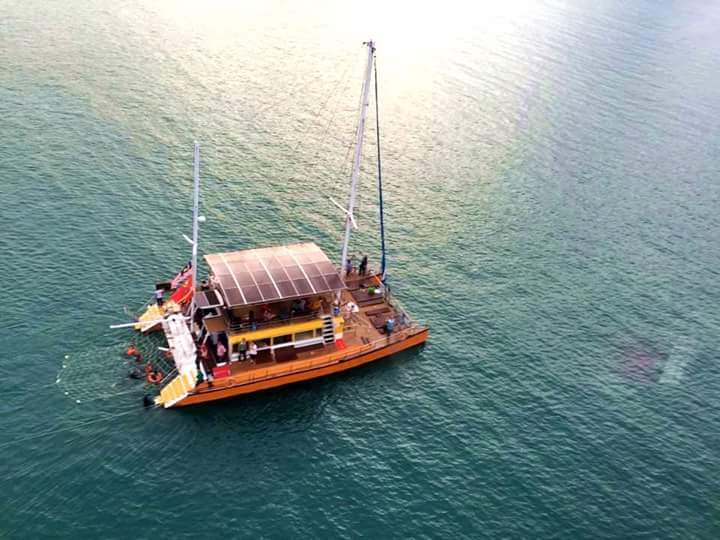
So, it is wise to venture into the downstream areas of tourism where, for example, he is working on promoting cruise yachting as a green industry.
"There are 99 islands to explore in the Langkawi chain. If each one has a story of ecology, imagine how many packages we can develop on preserving it."
Alexander also believed in the Langkawi's status as a Unesco certified geology (geo)- park whose bedrock principles revolve around sustainability.
"If we explore the island's heritage in geology (its rock formation is where the origins of the peninsular is formed) and we pursue the tagline of this is where Malaysia began, I think it would be a good asset for tourism planners to explore."
The Langkawi Development Authority (Lada) as the custodian of the island's status as one of the 169 geo-parks globally, has set up many resources to educate the people about what geo-parks are about.
The geo-parks are single, unified geographical areas where sites and landscapes of international geological significance are managed with a holistic concept of protection, education, and sustainable development.
Their bottom-up approach of combining conservation with sustainable development while involving local communities is becoming increasingly popular, says Unesco.
Recovering from Covid-19
Covid-19 has damaged tourism significantly but if the right planning comes along, there is hope that the sought after recovery can progress to a level that the present travel players can benefit in a big way.
Resort owner and restaurateur Karina Bahrin also voiced the need to ensure that the pace of recovery is consistent.
She has suggested that it was better for the authorities to make it mandatory for all workers in the tourism sector to be vaccinated.
"It is not just dealing with the pandemic, but the recovery needs attention."
If all workers are vaccinated, this can be a symbolic gesture to tourists the world over that Malaysia is serious about fighting the virus and it has taken the right steps to generate herd immunity within the tourism circle, said Karina.
She also spoke about the need to protect the environment as an asset which tourism can lean on other than the usual attractions of hotels, gastronomic, shopping and attractions.
Such areas may need a longer time to rebound from the extended closure.
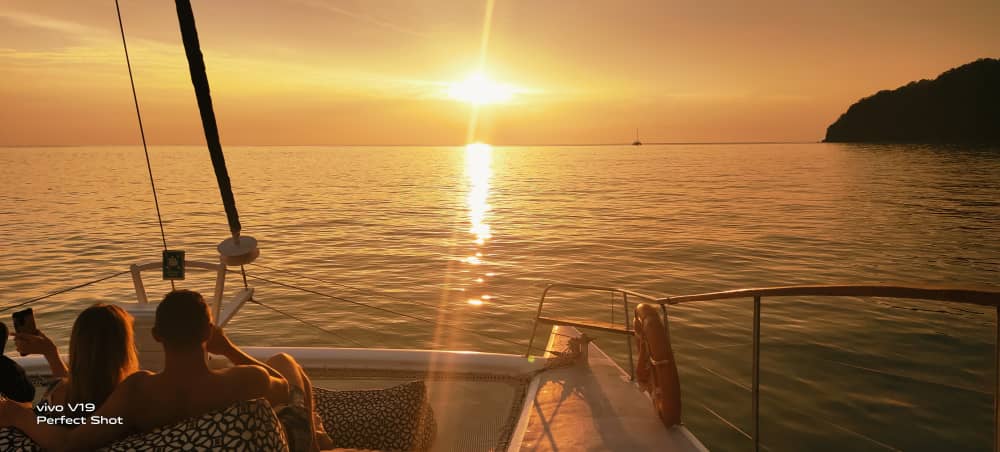
Alexander said that yachting is an area which can become a beacon for the environment, as customarily people in the industry are not polluters because they appreciate the seas.
"We can become the ambassador for protecting the environment and using it as a backdrop for the eco-tourism adventures which we should explore more in the post-pandemic."
To evolve, the travel trade community must learn from history, including on how the virus was allowed to erupt within humanity, said Anthony Wong Kim Hooi, who manages an eco-friendly property called the Frangipani Resort in Pantai Tengah.
Forced to reduce the resort into a hybrid version of a resort and homestay concept which is driven by the home sharing digital concept, Wong said that becoming environmentally friendly is no longer trendy but a must if tourism is to survive the virus.
Wong shares a viewpoint of many others that it is time to be transfixed on making greenery, recycling, and a green building code as necessities in promoting tourism. – The Vibes, July 15, 2021