
ANNOUNCED in June by Microsoft chief executive Satya Nadella, Windows 11 came as a bit of a surprise.
Windows 10 (released in 2015), the current iteration of the popular (by default) operating system, was previously described as the last version customers needed to buy, with updates planned for perpetuity – or whatever passes for that in the tech world.
While Windows 11 will be a free update for current users, and Microsoft promises a slew of streamlined features in addition to an almost MacOS-esque layout, there are still worries in some quarters about too many accommodations to mobile devices (Windows 11 will also be available on phones and tablets).
But with almost 90% of all computers running on Windows, most users will have to adapt, whether they want to or not.
Microsoft promises
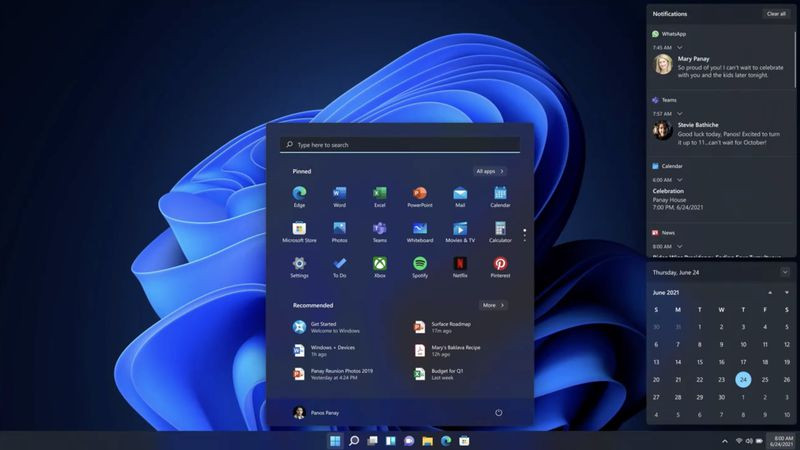
A seemingly innocuous yet emblematic change to Windows is the centring of the start button, as it has always been to the bottom left of the screen (at least by default, users could move the taskbar if they wanted). This design choice reflects Microsoft’s view that computers have become an even more important part of people’s lives in the past few years.
In practical terms, it looks like MacOS – at least at first glance. But there are also influences from Chrome and Android. The live tiles that have been around since Windows 8 are also part of the streamlining of Windows.
Through Snap Layouts, multitasking will be easier than ever, as it enables users to arrange multiple windows across multiple screens (if you have them), in columns, sections – in addition to side by side.
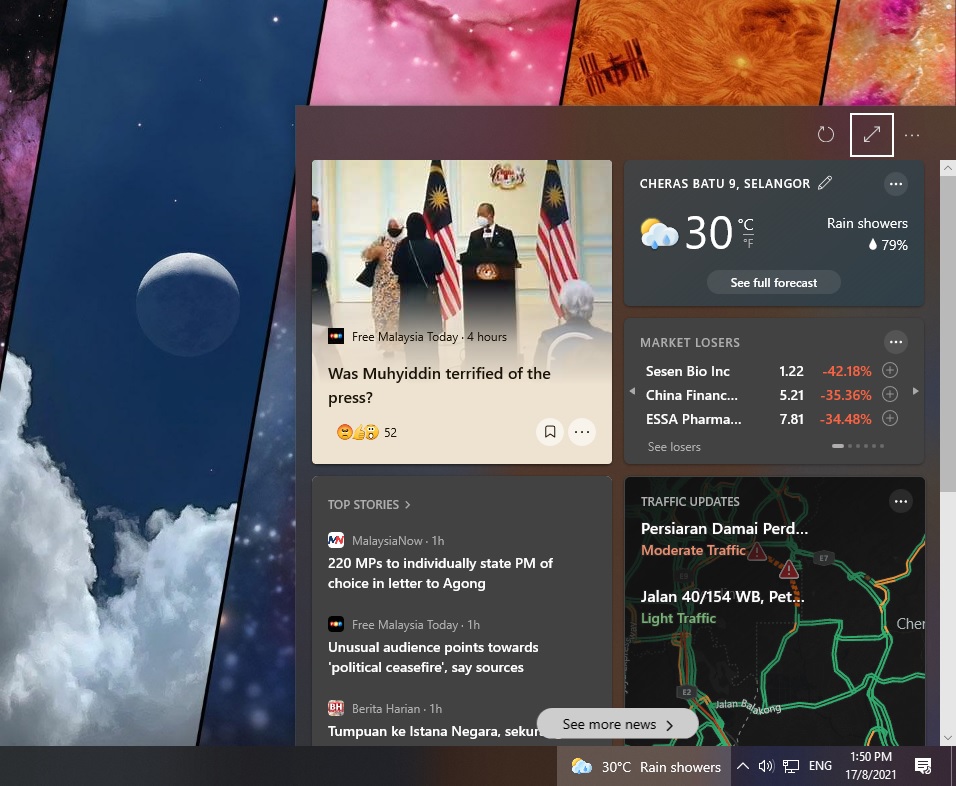
Widgets also seem to be a trend – they are popular on phones and tablets – with the promise of allowing users to personalise the look of their Windows. Microsoft fairly recently introduced a sort of appetiser on the lower right corner of Windows 10. We can expect a more expanded version of that with multiple elements including a newsfeed and weather, among others.
Microsoft is also promising improved speed and performance for Windows 11. Performance is also a big focus for Windows 11. Windows updates (of which we can agree there are too many) will be 40% smaller and more efficient.

Perhaps unsurprisingly, Microsoft Teams will be fully integrated into Windows 11. It will be in the taskbar, making it the default chat app on the platform. Instead of its current primary focus, which is on business users, it is now aimed at a wider audience.
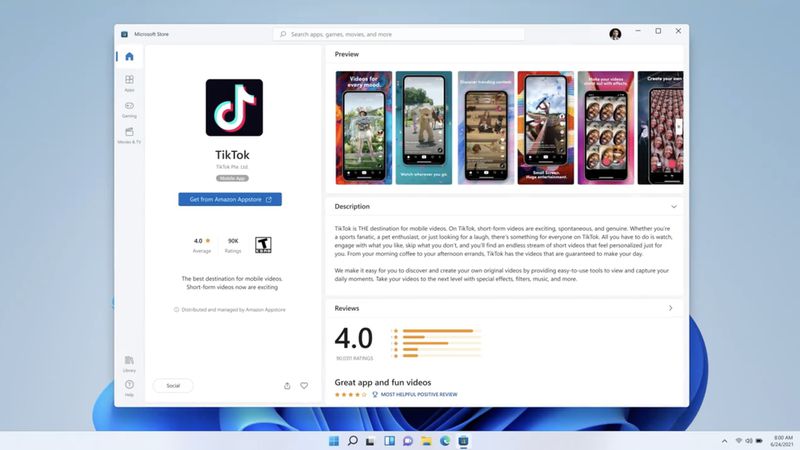
Another big part of Windows 11 is the new store – which has been too clunky in current iterations – and support for Android apps. The store will support apps that haven’t typically been available in Windows. That includes Android apps such as TikTok and Instagram.
Upgrade hassles
Previously, Microsoft offered free upgrades from Windows ⅞ to Windows 10, which originally was a one year period that was eventually extended.
At the Windows 11 launch, a similar upgrade promise was also made. Windows 10 will be supported for a few more years, so there isn’t exactly a rush, but users should be aware of the time limit.
Of course, Windows has a way of annoying you with constant requests and people might just upgrade out of frustration.
A bigger worry is the concern over TPM (Trusted Platform Module), a security feature that most people are probably unaware of. It’s a hardware-based feature that is meant to stop a device from being messed with.
It’s a relatively new feature that should come with most newer computers – but a lot of people have older computers that might not come with it.
Right now, prospective Windows 11 users can use Microsoft’s PC Health Check app to see if their machine is capable of upgrading operating systems. However, Microsoft says “many PCs that are less than four years old will be able to upgrade to Windows 11”.
It’s very much possible that Microsoft could scale back this requirement, to clear up some headaches, but that’s unclear.
System requirements
Currently scheduled for a release sometime in October – it will probably come pre-installed on new computers ahead of the year-end holiday season – there is still plenty of time for Microsoft to clarify some concerns.
Besides TPM, the hardware requirements don’t appear to be too onerous for anyone who has bought a computer in the last handful of years. For example, most machines come with 4GB of RAM at least (though you should probably have 8 or 16 gigs, for better performance).
Those interested in getting a jump can download a preview version of Windows 11 via Microsoft’s Windows Insider Program. – The Vibes, August 17, 2021