RESEARCH carried out in the United Kingdom shows that the most polluted produce sold on market stalls are oranges and grapes. The scientists who conducted the study found no less than 122 pesticide residues, toxic to human health and the environment, some of them carcinogenic.
These analyses were carried out by the NGO Pesticide Action Network (PAN) and revealed the presence of 122 different pesticides in the 12 most polluted products.
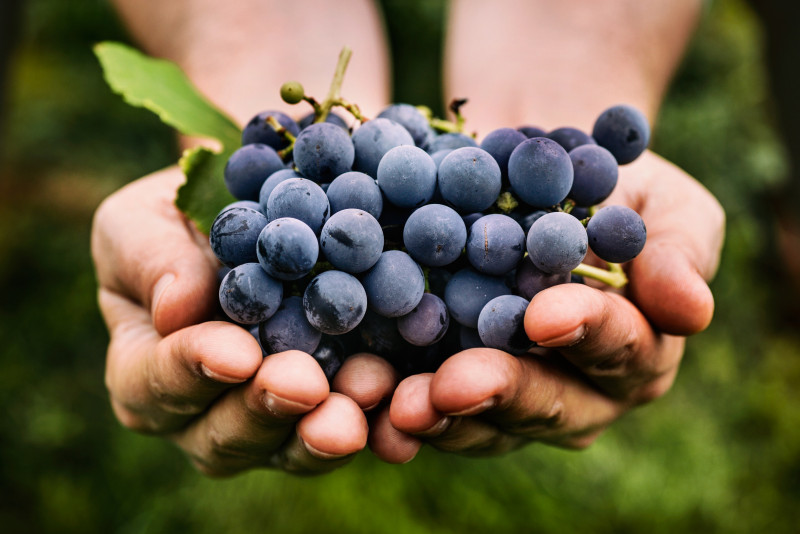
In addition to grapes and oranges, which are at the top of this black list (87.2% and 86.7% respectively), there are dried fruits (81.9%), pears (73.6%), beans (34.7%) and lettuce (23.6%).
Among the pesticides identified, 61% are classified as "highly hazardous" to health and the environment. Forty-seven of them contain carcinogenic toxins, 15 contain substances that are toxic for reproduction and 17 inhibitors that can alter the respiratory system and cause headaches. In addition, half of the top 12 pesticides contain groundwater contaminants.
Although these tests were carried out only in the United Kingdom, we know that the use of pesticides in conventional agriculture remains very important in other countries.
Each year, the American NGO Environmental Working Group (EWG) publishes its list of the most polluted produce, nicknamed "The Dirty Dozen," in a nod to the 1967 film by Robert Aldrich.
How can we ensure that we consume the least amount of pesticide possible, while respecting the famous recommendation to eat "five fruits and vegetables a day"? The first thing to do is to choose organic labels.
The second thing to do is to clean the vegetables, or even peel them before eating them, although some pesticides are resistant and manage to infiltrate the flesh of the food.
When rinsing plants, adding baking soda may be more effective than simply rinsing the fruit or vegetable under water, at least for some types of pesticides. That's according to scientific research published in October 2017.
The experiment involved testing several washing methods with Gala apples. The results suggested that immersing the fruit for 12 to 15 minutes in a sodium bicarbonate solution completely removed thiabendazole residues.
"Peeling is more effective to remove the penetrated pesticides; however, bioactive compounds in the peels will become lost too," said the study authors. – ETX Daily Up, September 30, 2021