
DESPITE some widespread assumptions about employment practices during the Covid-19 pandemic and the related lockdowns – namely that it was a time period rife with hiring freezes and layoffs – many companies did in fact add workers and thrived by adapting to changing conditions.
According to data gathered via a survey by Aisling Group, a homegrown talent solutions provider, and Leaderonomics, a cause-driven leadership development firm, certain companies belonging to in-demand industries actually expanded their hiring.
These companies adapted by utilising digital tools, such as video interviews, technical testing, psychometric testing and presentations, as part of hiring new employees during the pandemic.
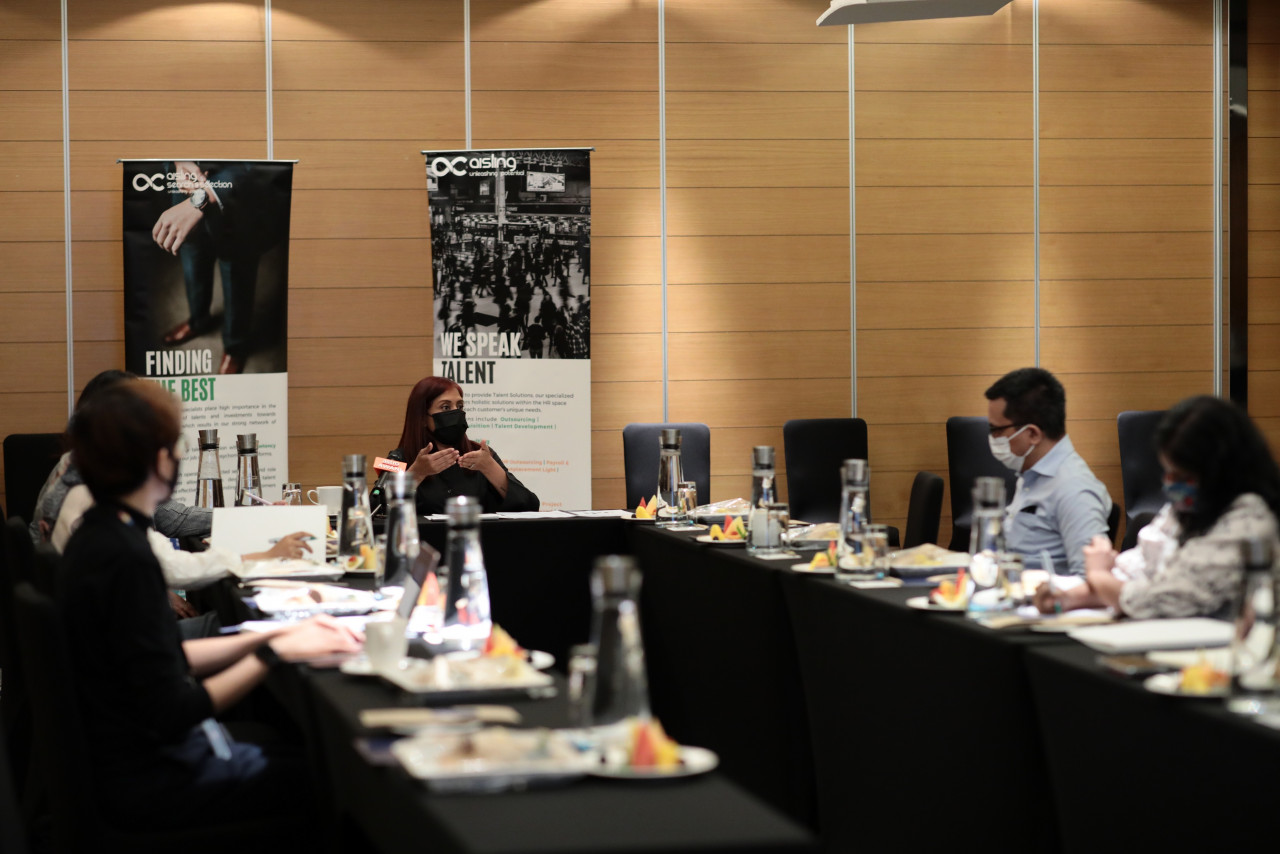
The whitepaper titled ‘Companies Thriving During the Pandemic: Most in-demand talent and skills during an unprecedented time’, was released yesterday.
“The pandemic had drastically changed the way that we live, work and play; and businesses and people had to adjust quickly to stay relevant and keep afloat. While lockdown measures had affected many adversely, there were businesses in industries considered essential, which were mostly able to continue operations, albeit with some adjustments.
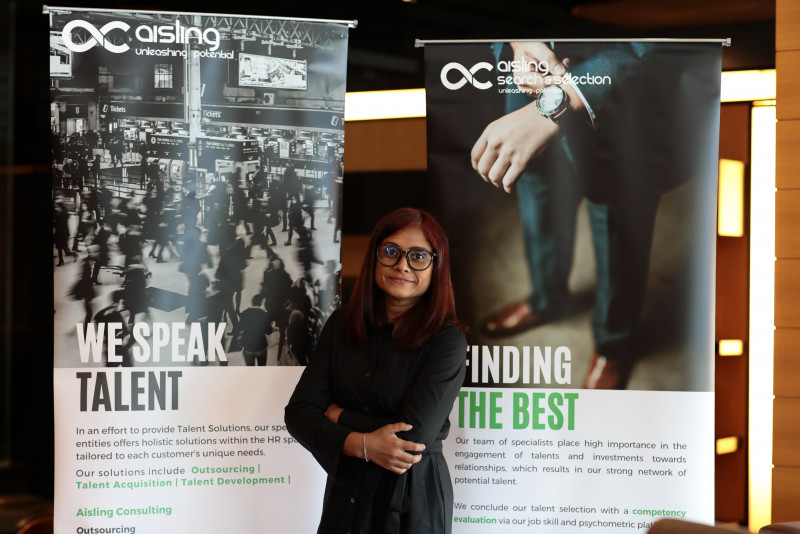
“This survey set out to gain insights into the hiring and the upskilling and reskilling practices of these businesses that thrived during the pandemic,” said Melissa Norman, Aisling Group founder and managing director.
The survey involved 61 respondents in the HR sector, in various organisations from information technology, manufacturing and electronics, and financial services, among others.
Over 95% of respondents employed new hires in 2020; 50% of whom made 25 or more new hires last year. Similarly, more than 90% of these companies hope to add new employees this year, with more than 50% planning on more than 25 new hires.
This is most likely reflective of the industries that expanded to fit the demands of the changing economic condition as a result of the pandemic.
Banks, manufacturers, software developers, were among those industries classified as essential services by the government, therefore they were less affected by the movement control order (MCO), in comparison to other industries.
In the survey most respondents cited IT and HR as talents and skills that rose in importance during the pandemic. The booming of work-from-home (WFH) as an option for many employers played a part in that, as the two sectors had to adapt to new demands.
In that regard, up-skilling and reskilling employees with better digital skills became crucial, and soft skills – or creativity, problem solving, communication (basically people skills) – was considered essential. It’s true that these areas have always been important in any modern business, but the pandemic has accelerated demands for them.
With WFH becoming a viable option for these sorts of companies, ‘boundary management’, a term that was previously not so central to the employer-employee relationship, also became crucial.
While WFH has a number of benefits, it does go against established Malaysian workplace culture. It’s also more difficult for SMEs to accommodate this change.
Mental wellness is also important, as companies are composed of employees from different generations that have different demands and expectations. Younger employees have a different expectation when it comes to life versus livelihood that employers must address going forward.
Even though the pandemic is seemingly in a manageable state – with numbers on the decline (in most states) – Covid-19 will not disappear, and we will have to live with it. For companies to continue to survive, they will have to stick to some of these trends. Many of these new business practices, such as digitalisation, are here to stay. – The Vibes, October 29, 2021