
AS the world still reels from the effects of Covid-19 – and will be for the foreseeable future thanks to Omicron – the tech industry, while not insulated from the pandemic, keeps on pushing forward. Companies still need to make their quarterly and annual projections, after all.
These are some trends that helped define the year in tech.
Vibes tech reviews
Here are some of the tech products that The Vibes reviewed in the past year.
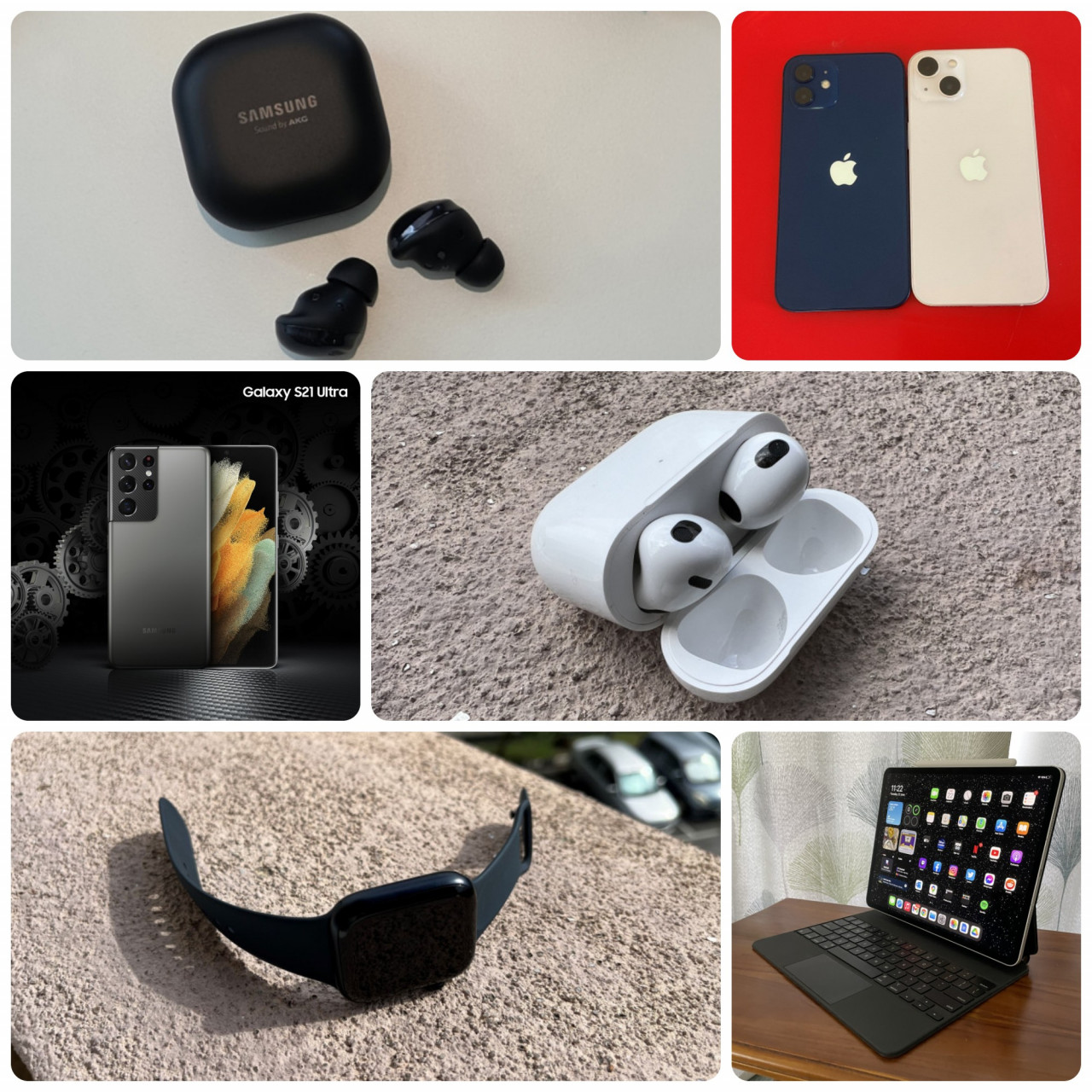
The phone also has a 120HZ display, which makes scrolling smooth as silk. Browsing through the phone, one would notice how pleasant it is to the eyes. And this translates to certain apps and videos.
The OLED screen is as good as last year’s, and according to Apple, it’s 28% brighter peak brightness, which allows it to be easier to see under the blazing sun. And just like last year, it’s a great screen to watch content on, whether it be on YouTube, any number of streaming apps or TikTok.
In essence, that is one of the problems with the iPad Pro – it has the power of a computer, but has the limitations of a tablet. Yes, you can add the Magic Keyboard and Apple Pencil, but the muscle memory from using computers needs to be unlearned to appreciate the iPadOS on its terms.
The sound quality is why the Samsung Galaxy Buds Pro are undoubtedly the best Samsung earbuds to date. It simply blows the Samsung Galaxy Buds Plus out of the water and judging from the many reviews out there and my own brief experience with the Apple Airpods Pro, it can even give the latter a run for its money.
In terms of music listening – which is really what you’re getting these for – the AirPods are really good, which is a boring but true answer. The clarity of audio levels from highs to lows, the rumble of the bass, is quite impressive, especially from such a small package.
If you’re planning on getting one, you won’t be using it to its full potential if you don’t exercise. Then again, if you are open to being encouraged to work out and want a way to record and analyse your exercise – while doing it in style – then you can’t go wrong.
Microchip shortages
One of the defining aspects of the first year of the pandemic (yes, we’re in the second full year of Covid) was the disruption to the global semiconductor pipeline. To put it in simple terms, many of the tech products we depend on, from smartphones to computer parts to newer cars, require these chips – the vast majority of which comes from Taiwan and South Korea.
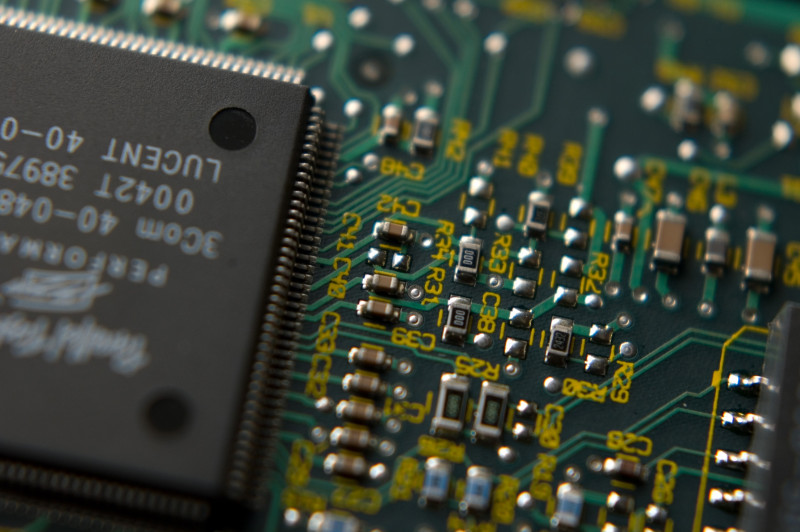
The almost global move to work-from-home led to an increase in people buying computers, as well as other electronics to make the first wave of quarantines go by a lot easier. Some factories also temporarily shut down in the past couple of years which further built up a backlog. The drop in car sales early on in the pandemic also meant that when demand picked up later, car makers had to play catch up with other industries.
To compensate, countries from around the world such as South Korea, the United States, and in the European Union have announced plans to increase their capacity to build more fabricators that make semiconductors. However, it will likely take years for those factories to get up and running.
NFTs galore
The rise of cryptocurrency and the blockchain reached a further level of evolution with NFTs (non-fungible tokens), which seemingly exploded onto the scene in the blink of an eye.
NFTs contain identifying information recorded in their smart contracts, such as the identity of the owner, rich metadata or secure file links. The purchase of an NFT is registered on the blockchain, providing a permanent record of the transaction while also protecting the artist's authorship.
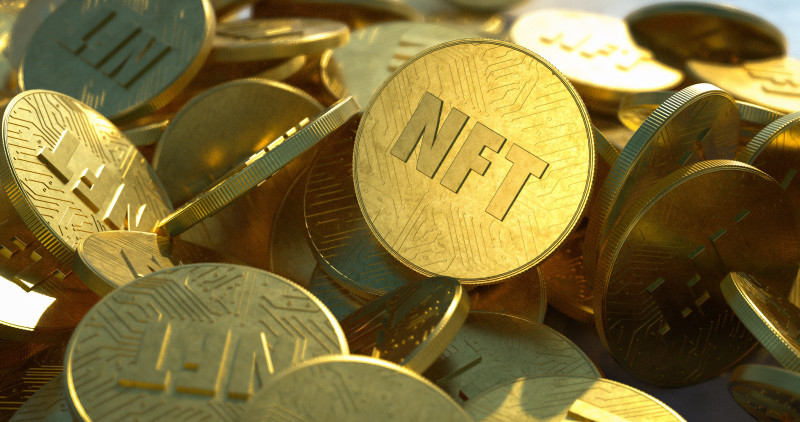
Payment is done mostly via cryptocurrency and they are often paired together as part of Web 3.0, a new generation of the Internet that promises to be more decentralised through the use of the blockchain. A blockchain is essentially a digital ledger of transactions that is duplicated and distributed across the entire network of computer systems on the blockchain.
Despite concerns on NFTs when it comes to it and cryptocurrency’s effect on the environment, the belief that it can be easily abused and that actual ownership of the items in question is dubious, it has exploded in interest.
Artists and creative types see it as a way of selling their goods without having to go through more regulated channels.
While cryptocurrencies go up and down, as is their nature, it has managed to stay relevant over the years, with celebrities touting their value. NFTs are likely here to stay as well.
Gaming Trends – AAA disappointments
Late last year, the years-in-the-making and much-hyped Cyberpunk 2077 was finally released to much disappointment. Features that were promised ended up on the cutting room floor, there were performance issues across the board, bugs aplenty and the game was downright unplayable on PlayStation 4 and Xbox One.
This year, Battlefield 2042 is one of the bigger disappointments. The Battlefield franchise has long been a competitor to Call of Duty, but the last few instalments in the series have failed to capture the same level of interest. 2042 was supposed to be a return to greatness, but a whole host of issues knee-capped any chance of that.
.jpg)
Another noteworthy failure was Grand Theft Auto: The Trilogy – The Definitive Edition. Meant to mark the 20th anniversary of Grand Theft Auto III’s release, the collection of three iconic titles (also including GTA: Vice City and GTA: San Andreas) was meant to introduce a new generation to some great games, but once again performance issues stopped any chance at that.
Other big-ticket games like Call of Duty: Vanguard and Halo: Infinite had nowhere near the performance issues or flaws of those other two, but the former hasn’t captured as much excitement because it’s the same old formula, while the latter lacks the consistent content updates that gamers have come to expect from major titles.
A big issue is that big games need to be available on older consoles. The newer, more powerful game consoles (PlayStation 5, Xbox Series X) have been victims of the semiconductor shortage and are harder to get. Because of Covid-19, working conditions for many game companies have also been disrupted.
Ultimately, there is an increased sense of dissatisfaction among gamers when it comes to the major companies like Activision Blizzard, Electronic Arts and Take Two Interactive. Instead of focusing on making great games, these companies seemingly rush titles for the purpose of hitting quarterly targets to appease their shareholders. This approach is unlikely to change anytime soon. – The Vibes, December 30, 2021