Places

Urban forests are precious carbon sinks that should be better preserved, study shows

Boston University, with Harvard Forest, analysed more than 48,000 forest plots in the northeastern United States

Updated 4 years ago · Published on 22 Feb 2022 10:00AM

Urban forests are precious carbon sinks that should be better preserved, study shows
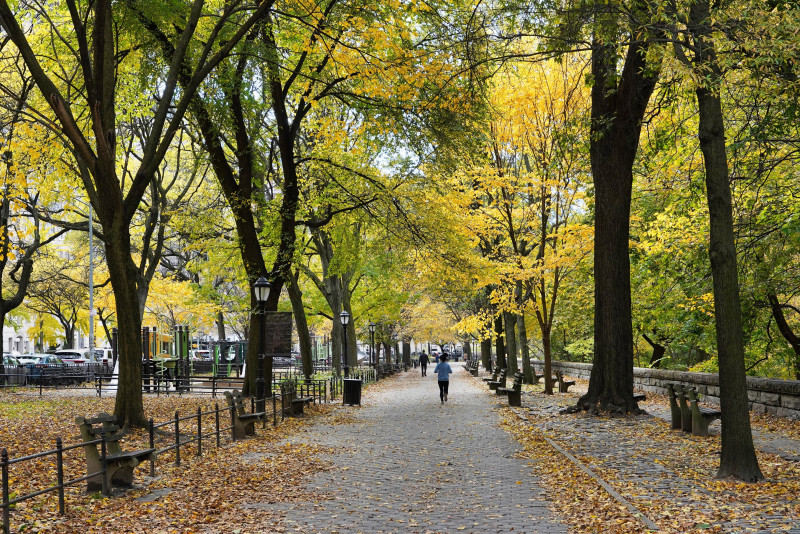
Trees at the extreme edges of forests grow nearly twice as fast as trees in the forest interior, study finds. – ETX Daily Up pic, February 22, 2022

RESEARCHERS in the US have found that trees at the outer edges of forests grow nearly twice as fast as trees in forest interiors. These ecosystems could therefore play an essential role in storing carbon and fighting climate change.

As part of the study, carried out by researchers from Boston University in collaboration with the Harvard Forest research department, more than 48,000 forest plots in the northeastern United States were analysed.

Lucy Hutyra, a biogeochemist and ecologist at Boston University, and senior author of the research, studied the growth rates and carbon storage capacity of trees in forest plots bordering roads, agricultural crops or solar farms, for example.

Her team found that trees located at the edges of forests grew twice as fast as those growing in the forest interior, about 30 metres from the edge.

"This is likely because the trees on the edge don't have competition with interior forest, so they get more light," says study co-author, Luca Morreale. 

According to the authors, these findings challenge current thinking about the conservation and value of urban forests, which should not be viewed solely as places for recreation.

At a time when cities and nations are pledging to plant more trees in an attempt to mitigate the effects of climate change, the paper's authors emphasise the need to better preserve the edges of existing forests, which are generally the first targets for removal or alteration.

"We are underestimating how much carbon is being taken up by temperate forest edges," says Lucy Hutyra.

"We also need to think about how susceptible they might be in the future to climate change," continues the researcher, because previous research has shown that even though these trees are growing faster from more sunlight, hotter temperatures can lead to plummeting growth rates in trees at forest edges. – ETX Daily Up, February 22, 2022


Related News

Malaysia / 3mth

Sabah expands totally protected areas to 2,227 million hectares - Hajiji

Events / 3mth

MoU inked for greater climate resilience

Malaysia / 4mth

Penang: DID to conduct comprehensive review of beach erosion

Business / 4mth

Petra Seaga looking to invest RM1.4b in Sabah biomass, sustainable energy sector

Malaysia / 4mth

Do not turn a blind eye to environmental issues, cautions former minister

Living / 6mth

Water industry urged to adopt green practices to address climate changes

Spotlight

Business

Tycoon Vincent Tan trims BCorp stake further in RM115m share sale

Malaysia

UMNO’s solo gamble in Johor: A show of strength or risky miscalculation?

By The Vibes Says

Malaysia

Nik Aziz’s grandson allegedly slapped by senator: Father ready to take case to court

Malaysia

Lorry driver jailed a day, fined for making obscene gestures, dangerous driving (video)

Malaysia

PKR leader defends MyKhas access suspension for PJ, Subang MPs, cites ‘political choices’

Opinion

Social media set to dominate Johor polls as election kingmaker

Malaysia

Man charged in Butterworth parang attack case that left victim fearing permanent disability

Malaysia

Teen mothers must return to school, says Fadhlina as education remains priority

Malaysia

Penang water tariffs to increase from July 1 after year-long deferment

You may be interested

Health

MOH warns unlicensed medical services carry heavy penalties as complaints surge