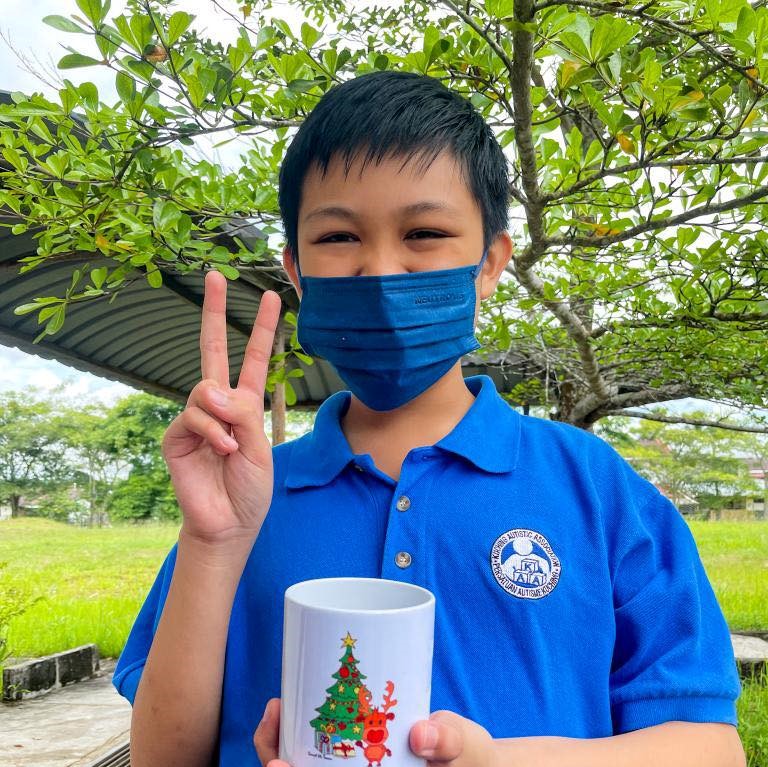

IT is World Autism Awareness Day today. For the uninitiated, autism is also called autism spectrum disorder (ASD). Briefly, autism is a developmental disability caused by a neurological condition that affects the functioning of the brain.
The symptoms and characteristics of autism present themselves in a wide variety of combinations – that is, from being mild to severe and may even require full-time care in a facility for some.
The autistic person usually faces social, communication and behavioural challenges. Seen as a largely invisible disability, there is often nothing about the look of people with autism that sets them apart from others.
However, look closer and you will see that the way these individuals communicate, interact, behave, and learn is different from most other people.
According to Dr Catherine Chen, director of the Kuching Autistic Association (KAA), many researchers now agree that autistic children have a wide range of intellectual competencies including superior intelligence.

“Individuals with autism respond well to highly structured, specialised education and behaviour modification programmes tailored to the individual needs of the person.
“In the west, autistic individuals have been able to achieve Masters and PhD degrees. This proves that there is hope that some autistic children can develop their potential and become responsible and productive citizens.
“For adults who are more severely affected, sheltered workshops need to be set up to provide them with the means to earn a living. Residential care group homes are needed to care for them round the clock when both their parents pass on,” says Chen.
According to Chen, early-onset autism can be diagnosed when the child is still young, perhaps by the age of 18 months. However, some children develop autism normally between three to four years of age when autistic symptoms are noted.
Chen lists out some challenges faced by the autistic person:
- Communication: Language can be slow to develop and some autistic individuals may never learn to speak. In some cases, speech is developed but is lost. Verbal autistic children may not know how to participate in a conversation. They may also be unable to understand the use of non-verbal communication or gestures.
- Social Interaction: Autistic persons may like to be alone and may show little interest in cultivating friendships. Maintaining eye contact can be difficult for them.
- Sensory Impairment: Physical sensations may be reacted to in an unusual manner. They may be overly sensitive or under-responsive to pain, sight, hearing, touch, smell and taste.
- Play: There can be a lack of spontaneous or imaginative play. They may be poor in imitation skills or not know how to initiate pretend play.
- Behaviour: They may regularly display repetitive movements such as hand flapping, twirling, humming, moving around in circles, rocking, head banging, twisting of fingers or twiddling locks of hair. Some may resist changes in routine or environment which can lead to major temper tantrums.
Chen, quoting the Atlanta-based, Centre for Disease Control (CDC) said that in 2020, the CDC reported that approximately 1 in 54 children in the US is diagnosed with ASD according to data from 2016.
She said: “Boys are four times more likely to be affected. The chance of its occurrence is not affected by race, social class, family income, or the educational levels of the parents.”
Story of Daniel
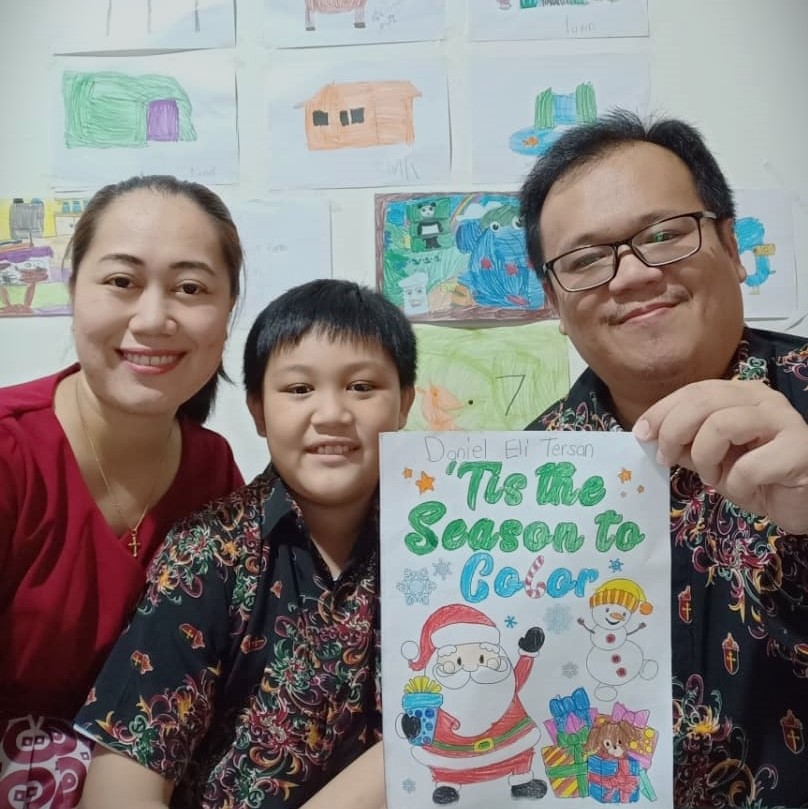
Daniel Eli Tersan, 12, is the only child of a school teacher and senior assistant for co-curricular activities, Duane Reggie and his wife Philomena Wilson. Speaking to The Vibes, Reggie disclosed that Daniel is an autistic child.
“However, the doctor told us his autism is not very severe. My son was also diagnosed with attention deficit hyperactive disorder (ADHD).”
“We had our initial worries, especially in facing the public. We do have people looking at Daniel curiously. “This is when we take the chance to explain about autism and bring awareness of the condition to the public.”
Daniel is tall and handsome. At one glance nobody might know that the 12-year-old boy is autistic.
“But as parents, we do have our anxieties over him. My wife and I realised that Daniel was autistic when he was four years old. By that time he already had difficulty speaking. However, we only took him for a more thorough and complete diagnosis when he was six.”
He said Daniel was placed under a special group when we enrolled him at his kindergarten.
“Only after the complete diagnosis did we admit him to the Kuching Autistic Association Elementary Instruction Programme (EIP). We felt that we needed to act fast as my knowledge about autism was shallow though my wife was more familiar with the condition.
“Daniel is now able to help himself to a large extent. He is able to take bath on his own, put on his own clothes without assistance and eat by himself. The basic things that any child can do, he has mustered. However, every once in a while we need to monitor him so that he is consistent in what he is doing.”
According to Duane, Daniel is currently studying in a special needs class in a primary school. Prior to this, Daniel was admitted to a normal mainstream class.
“But Daniel is still struggling with speaking. He mumbles a lot. However, he can follow instructions whenever we tell him to perform household chores. In school and in his therapy centres, he shows that he is able to perform tasks given by his teachers.”
For the couple, the most difficult aspect of relating with Daniel is his inability to express his feelings.
“Sometimes, we need to ask him several questions repeatedly to find out what had triggered his anxiety. Other than that, giving him the proper nutrition is a challenge. He needs good nutrition for the development of his brain and nervous system. There are studies that suggest that proper nutrition is good for children’s cognitive development. Such nutritious food in pure organic form is hard to come by.”
Duane says Daniel enjoys school. “So far, we have not encountered any major behavioural issues related to his autism. This is very encouraging as we certainly want him to excel academically. As parents, we would be glad that one day Daniel is able to get a job, get married and have children like everybody else and live a normal life.”
Role of KAA
Duane plays an active role in KAA. Being the secretary, he says, has opened his eyes to know the needs of special children up close, especially those with autism.
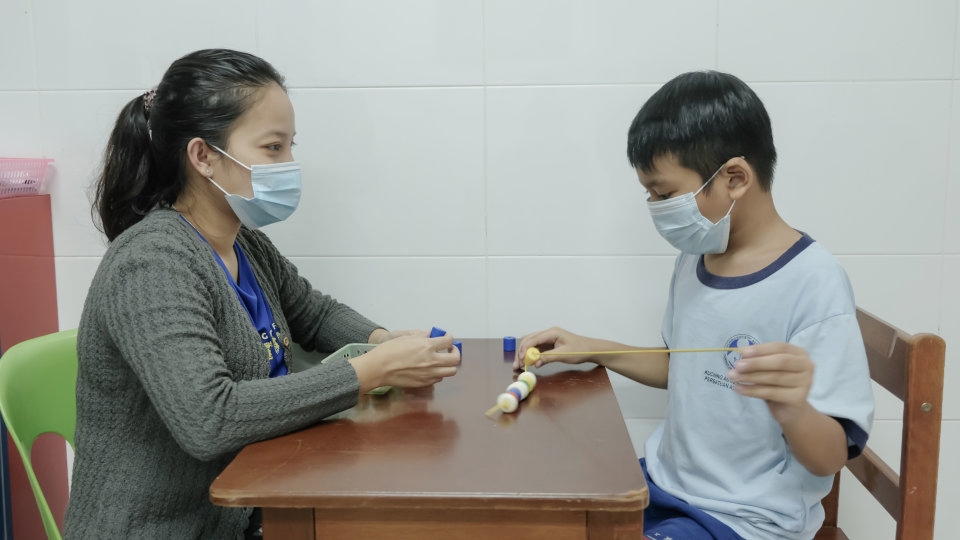
“In KAA, we have three major programmes; elementary instruction programme, secondary instruction programme and the vocational (Sunshine Hub Sheltered Workshop). But our mission does not end with the vocation programme. We foresee, that as parents we may not be able to take care of our special children forever.
“So we have plans to start the hostel programme. In future via the Sunshine Hub Sheltered Workshop, we can create more working opportunities for autistic individuals. We may even look into vocational certification so that autistic individuals can obtain recognised certifications for the advancement of their career.”
Duane, a certified karate instructor plans to hold classes at the centre as this activity can help autistic children to interact and at the same time be embrace the spirit disciplining themselves.
Duane says, having Daniel as a son has taught him to become a more loving father and a better teacher with more empathy in dealing with other children in my school especially those with a learning disability.
“I was known to be a fierce teacher, that every student would want to avoid. But Daniel's condition has mellowed me down and I now look at children from a different perspective.
“It made me more analytical, so much so I want to touch base with their emotions. I now try to get to know the challenges faced by students in their personal lives.
“This has also enabled me to become more approachable.”
Role of government
Although all children with special needs are given special allowances by the government and all taxpayers with special needs children under their care are given tax deduction in income tax – Duane feels that the government should play a bigger role. What taxpayers and special needs children are offered now is certainly not enough.
“The reason is, the actual costs for therapy and treatment are more than the special allowances and tax reduction combined. I feel that the government should include special deductions for therapy costs incurred by parents with special needs children under their care.
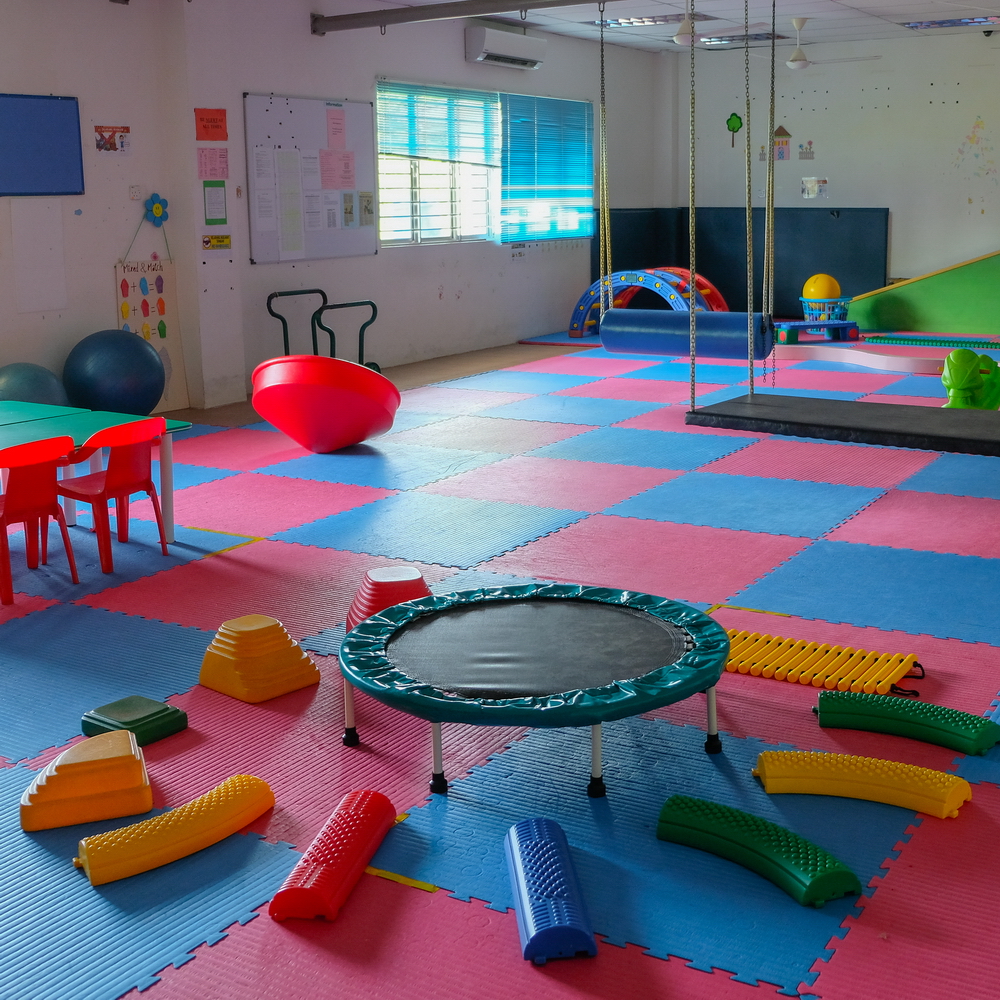
On another note, he said the management and education facilities for autistic children in the country are very much lacking. “We lack the infrastructure needed for the education of autistic children. Therapy for autistic children is still lacking and expensive. My concern is for the low-income people with autistic children. How will the B40 group be able to support their autistic child’s need for education, medicine and therapy sessions?
“That's why in KAA, we strive to work hard to provide therapy at the lowest costs possible. We raise funds to subsidise our children's therapy. We need more financial support from both the government and corporate sectors to ensure we can continue to give the best services at the lowest cost.”
Duane also appealed to Malaysians and corporate benefactors to support the autism community by giving out financial support to NGOs. “We need more specialists like occupational therapists and behavioural analysts to be around to provide support and services to autistic individuals.
“We also need specialists trained in government colleges to be absorbed into the private centres and not just rely on government postings for job security.
“These private therapy centres can provide job security because it is becoming a necessity these days. We are looking at more and more children diagnosed as having autism,” he said.
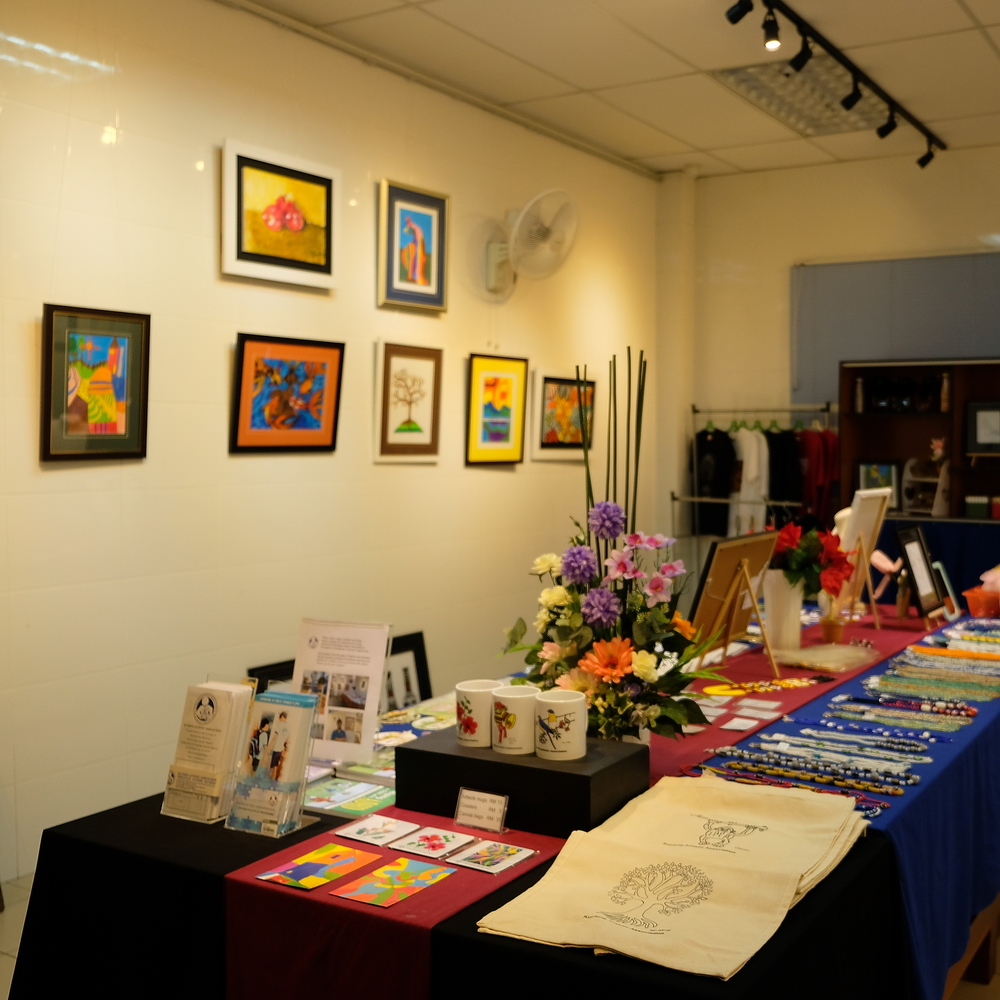
On the theme for this year’s World Autistic Awareness Day which reads – 'Inclusivity In The Workplace' – Duane says it resonates with what he has always believed in.
“The idea of being ‘inclusive’ in whatever sphere must begin with the child’s early age. In my school as the senior assistant for co-curriculum, I personally advocate inclusiveness calling for special needs children to join mainstream students in their activities.
“Inclusiveness is important because special needs children do have abilities that are different from normal other children.
“Given the right job and the right tool, autistic children can even outperform the normal individual anywhere,” Duane added, his words resonating with the wise words of CL Chloe: “Autism is part of my child. It’s not everything that he is. My child is so much more than a diagnosis.” – The Vibes, April 2, 2022