_To_use_as_MAIN_PHOTO.jpg)

TUCKED in the middle of the hustle and bustle of Kuala Lumpur, a rustic Malay community is settled charmingly – simple, but rich with tradition – in an area known as Kampung Baru.
What many Malaysians are less aware of is the value of the heritage attached to the area that needs to be preserved as a means of income for the locals.
This was the principal discovery of Fuad Fahmy, a local walking tour host, famously known for his ‘Magical Kampung Baru’ walk.
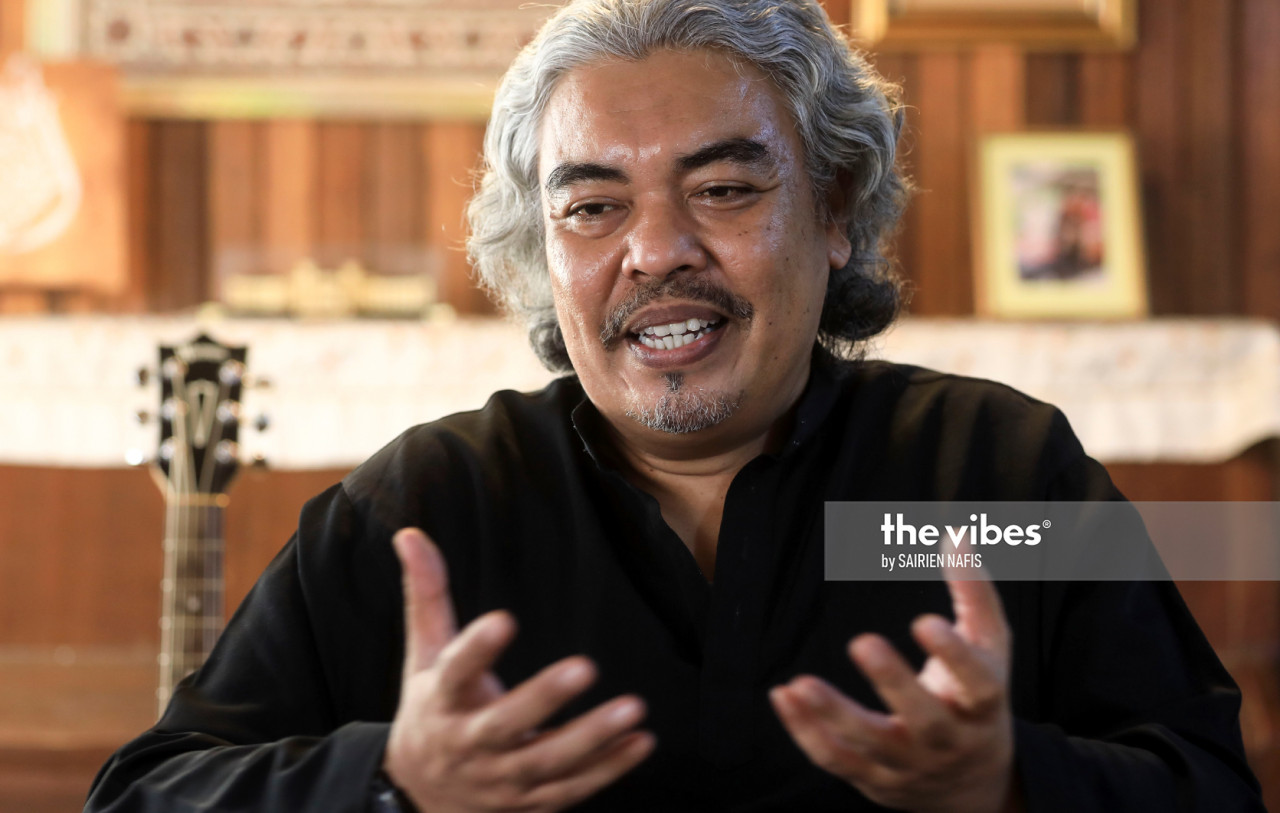
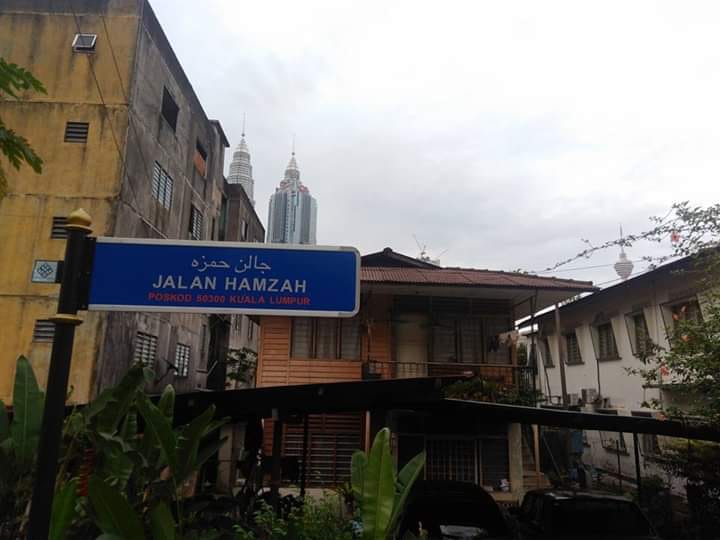
“Selamat datang ke Kampung Baru (welcome to Kampung Baru)," said Fuad as he greeted us into his well-preserved Malay kampung-style wooden home, which resembles the traditional kuih lapis, on Jalan Hamzah in Kampung Baru that once belonged to his great-grandfather.
Dressed in a jade black baju Melayu and sarong, Fuad told The Vibes that his great-grandfather came to Kampung Baru in 1908 as a religious officer, with origins in the Sultanate of Deli, before rising to become the first imam of Kampung Baru.
Of the fourth generation still living in Kampung Baru, Fuad explained that he was beckoned to this path in life as it was his responsibility to help preserve his family roots and to put his kampung majestically on the world map, reiterating that he also wanted to contribute towards the community in Kampung Baru who have remained close-knit for decades, irrespective of race and ethnicity.
Fuad, who graduated with a Certificate in Travel Operations from Universiti Teknologi Mara (UiTM) in 1992, began his career as a travel agent and has been involved in the tourism industry since.
Apart from a keen sense of belonging to the industry, he was also inspired by his father, 74-year-old Fahmy Mubarak, who had been president of the Malaysian Association of Tour and Travel Agents (Matta) in the 1970s.
It was not until one of his out-bound activities that he was triggered to pursue a career as a walking tour host in 2016.
By then he had also come to realise that many brochures abroad of Kuala Lumpur often promoted the same destinations, forsaking some of the more intriguing aspects of the city.
“I tend to look at brochures when I am travelling abroad and I noticed that it's always the same places that are being promoted for Malaysia – Central Market, Batu Caves, China Town (Petaling Street), the Twin Towers, and as far back as I can remember, there is little mention of my kampung. That gave me the idea of starting this ‘Magical Kampung Baru Walk’,” explained the bubbly 47-year-old father of three.
Having been a walking tour host for four years now, Fuad has come to realise that it is indeed a fruitful investment for his kampung and its community.
“I can begin to see the spin-off to the economy; for example, the kuih (dessert) sellers. We have a makcik that makes 'rempenyet' (peanut chips), two satay stalls, two traditional nasi lemak stalls that are well known, I take the tourists to these places and they spend.
“When I do a rough calculation of income per annum for the sellers it clearly shows that they make a good income from what was initiated through this walk,” he said.
Before, there was also a lucrative traditional ‘congkak’ industry run by elderly craftspeople but due to their passing, there has been no successor to continue the trade.
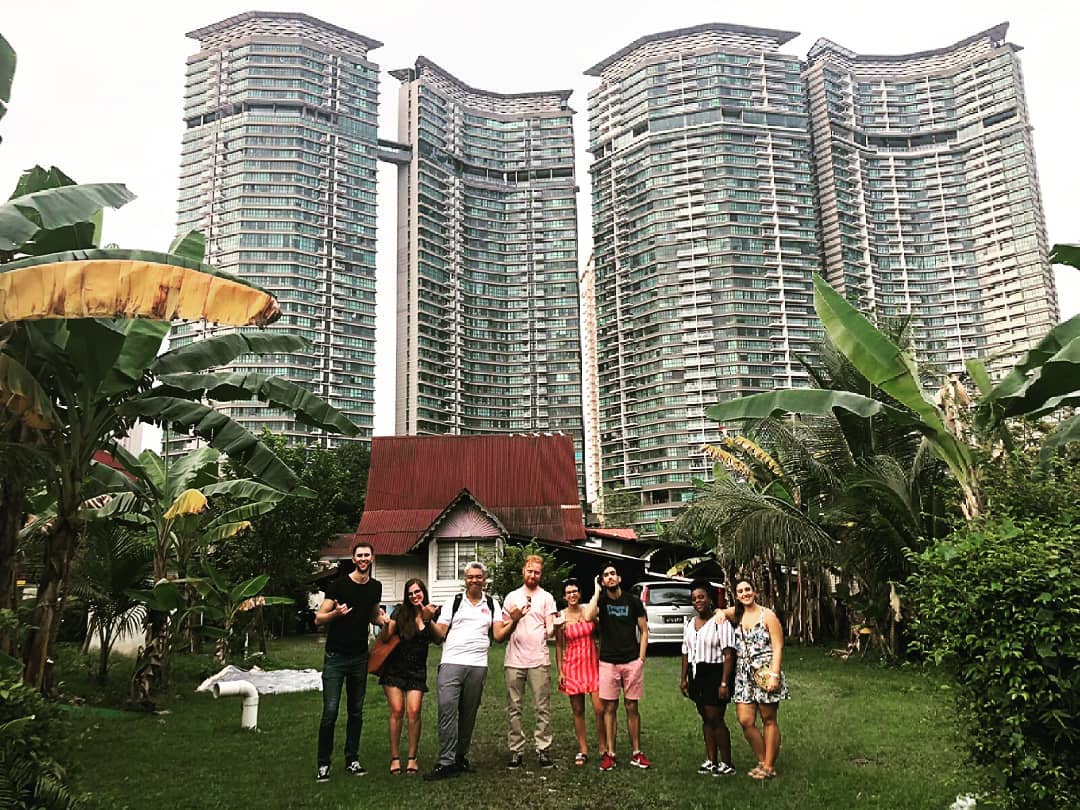
The walking tour enterprise in Malaysia is still new according to Fuad, because there are many travellers who prefer to travel the conventional way. Among the younger generation of travellers, however, attitudes are beginning to change.
“Visitors do not like to be bounded by structure, firm schedules and set itineraries anymore. They are more savvy. They want to immerse themselves in the local culture, local life, know what the locals have to offer, and from all that I can see, greater potential for these kinds of walking tours,” he said.
The Covid-19 pandemic, which has struck the world like a great storm, has brought the global tourism industry to an unprecedented standstill and all operations have been forced to cease. That has not stopped Fuad, however. Instead it seems to have opened up other opportunities for him.
Since the movement control order was imposed last April, an online platform known as LokaLocal, especially catered for the tourism industry in Southeast Asia, has advised him to start virtual tours.
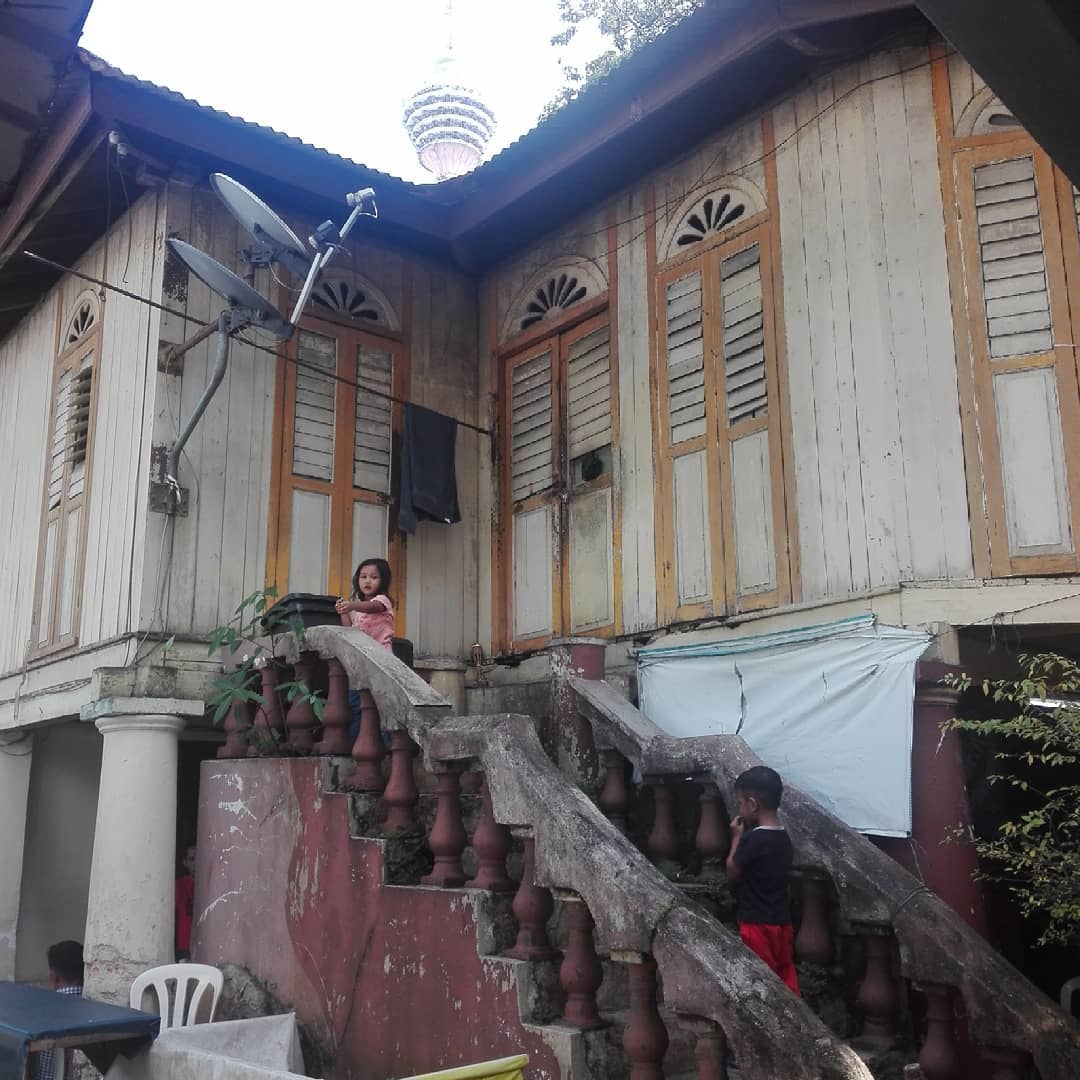
“When Covid-19 struck, tourism was the first industry to be shut out economically, and will probably be the last one to begin again. I was introduced to this idea, and to be honest, I was extremely sceptical. I was thinking to myself, ‘would this really work?’ Then I decided, ‘why not give it a try’,” he explained enthusiastically.
That proved the beginning – up till now, Fuad has received countless virtual travellers who ‘accompany’ him on his tours through the Kampung via Google Maps and Microsoft PowerPoint.
Since then, Fuad has been approached by the Malaysian Productivity Corporation (MPC) to help train other fellow Malaysians on how to leverage virtual tours through technology.
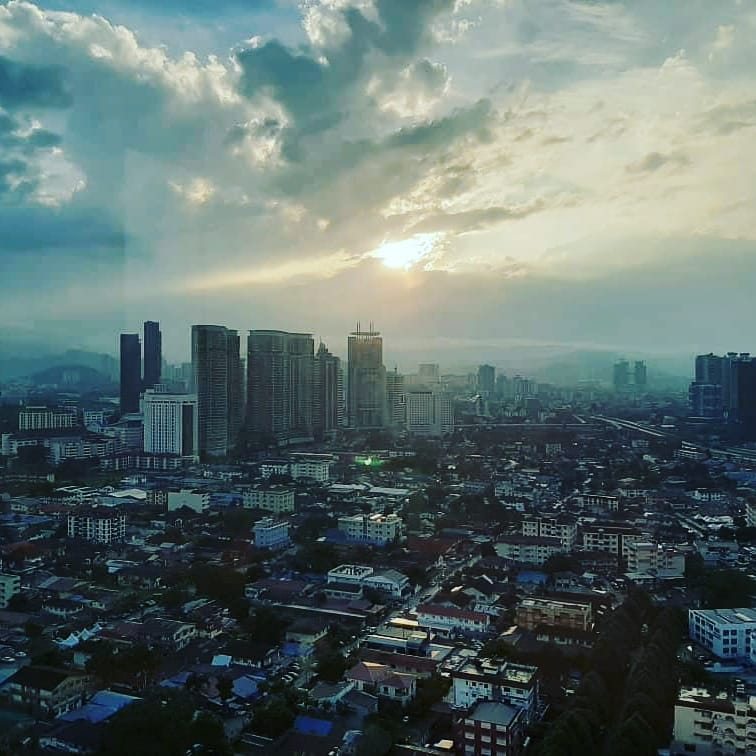
On how he came upon the name ‘Magical Kampung Baru’, Fuad explained that he wanted to change the perception of visitors towards Kampung Baru.
In general, he said, visitors, both local and foreign, associate the locale only as an eating hub and do not appreciate the multi-ethnic cultural setting and uniqueness of Kampung Baru.
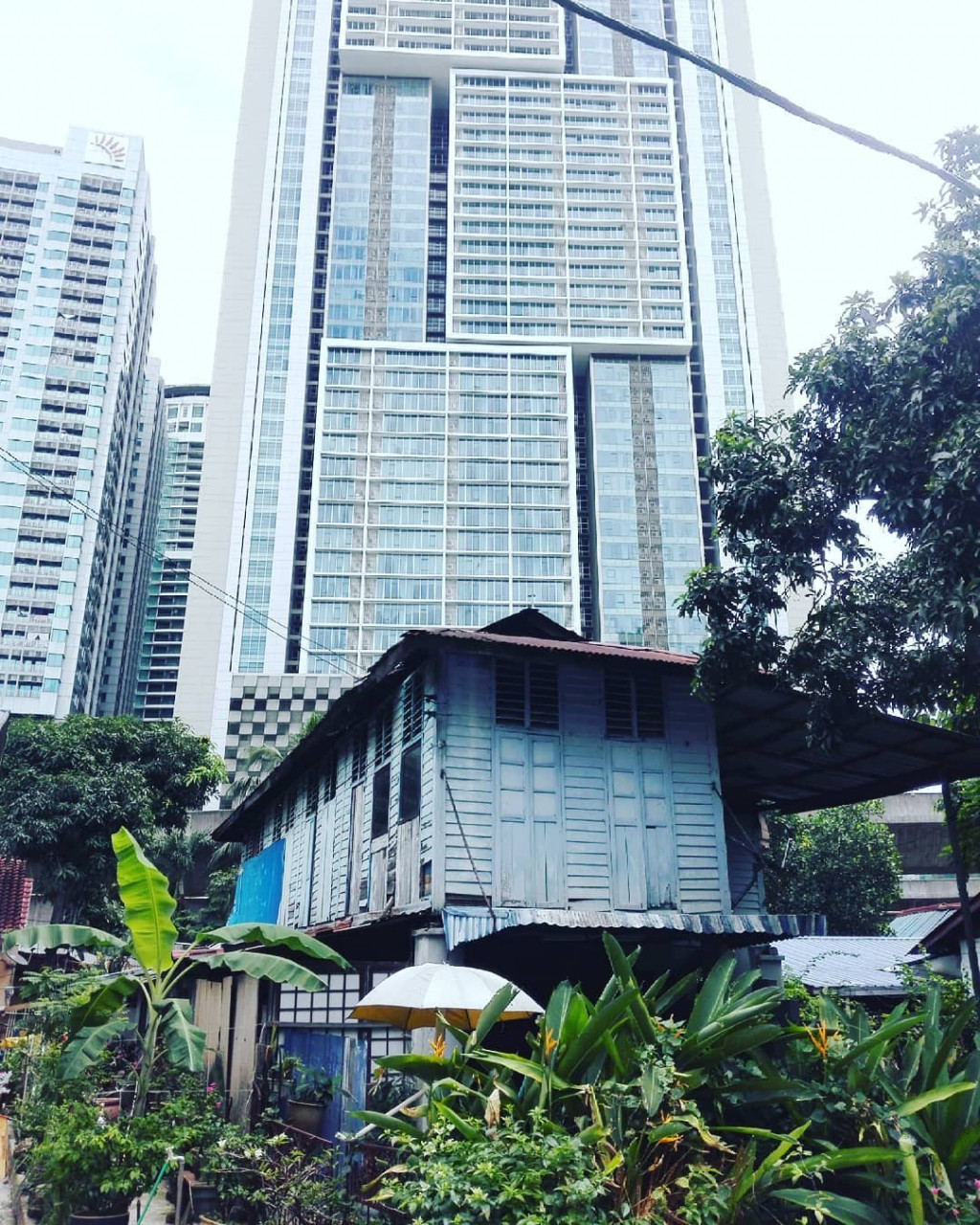
“Kampung Baru is the last Malay ‘kampung’ right in the heart of Kuala Lumpur, approximately 700 metres away from the Petronas Twin Towers, and we have a lot to offer.
“It is not just ‘makan-makan-makan’ (eating) that we can boast – we can also highlight unique architecture, historical buildings, exotic fruit trees, plants and wildflowers that proliferate abundantly due to the fertile land, Pintasan Saloma (Saloma Link; a 69m combined pedestrian and bicycle bridge across the Klang River in Kuala Lumpur), we have cool photo spots ... we even have the reban ayam (hen coop) with the backdrop of the Twin Towers,” he said.
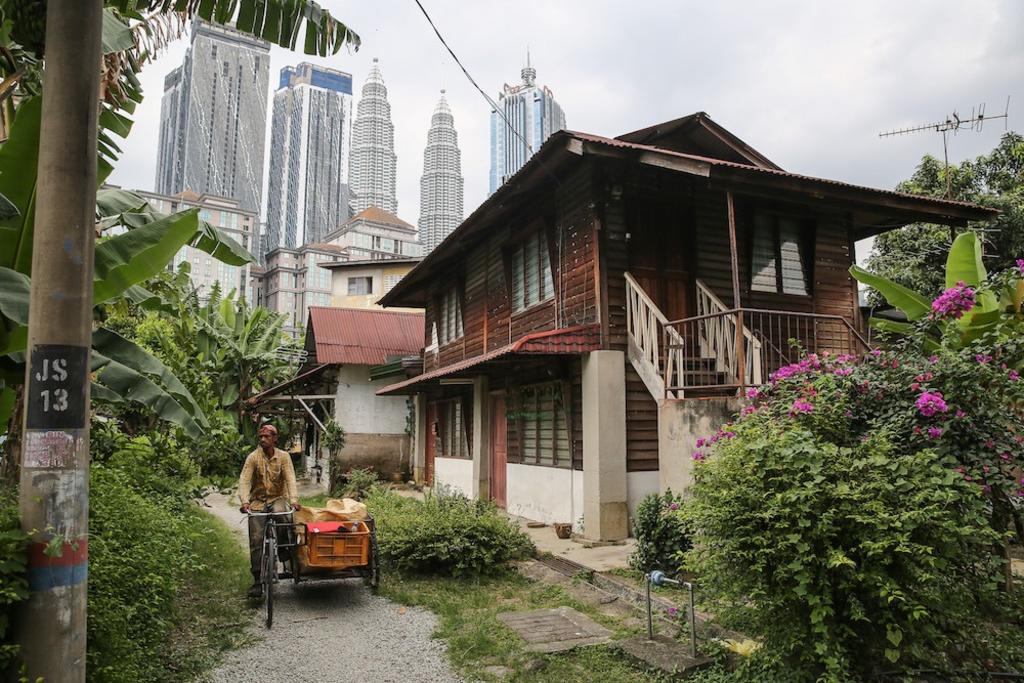
Fuad said that his tours used to start at 5pm daily as it is at that hour that tourists are able to acquire a greater variety of experiences, especially during the weekdays.
“A lot of things happen in Kampung Baru when compared to other places during the average weekday,” he said.
“When I do my tours, especially on weekdays, tourists get more of an experience. I pick them up from the Kampung Baru LRT station and we pass by a religious school. This is where they see forms of life not commonly seen in a lot of places in KL, especially for foreign tourists.
“Seeing kids getting bundled up into an old van which acts as a ‘bas sekolah’, the pakcik and makcik berkebun (gardening) in front of their homes, young people coming back from work, and by the time we get to the Masjid Kampung Baru, it is close to 'maghrib' and they get the chance to see how Muslims pray,” he said.
What amazes Fuad is that the majority of his tourists are from the United States of America who are not exposed to the Islamic faith, and this provides a great opportunity for Fuad to invite them into the area around Masjid Kampung Baru.
“The officials in Masjid Kampung Baru are warm and welcoming. It gives me the chance to change the mindset about Islam where, previously, on many occasions, when I ask them about what they know about Islam, their typical answer would be ‘Osama bin Laden’,” he giggled.
More seriously, Fuad admits he takes the opportunity to show them what the Islamic faith is really about, how it is truly practised in order to change their views towards Islam. His eyes tearing somewhat, Fuad feels this is a way of contributing towards a communal obligation (fardhu kifayah) as a Muslim.
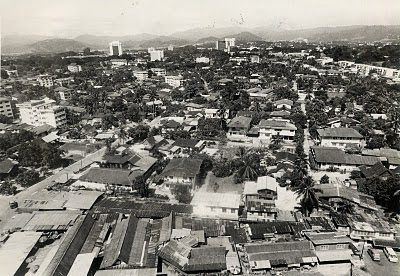
Kampung Baru, which simply means new village, was conceived by the British Colonial Government in 1899 as a Malay Community district known as the Malay Administrative Settlement (MAS).
The British Colonial administrators agreed to the request of Malay residents around Kuala Lumpur to form a 222-acre settlement between Batu Road (now known as Jalan Tuanku Abdul Rahman) and the Klang River.
It was the Resident-General Sir Frank Athelstane Swettenham’s intention to involve the Malay community in the agriculture sector by providing education on trading and entrepreneurship.
The settlement was eventually established on January 12, 1900 through a government gazette which comprised Kampung Periok, Kampung Masjid, Kampung Atas A, Kampung Atas B, Kampung Hujung Pasir, Kampung Paya, and Kampung Pindah.
Apart from that, Kampung Baru has also bore "witness" to many major events in Malaysian history, including the May 13, 1969 tragedy that started in Princess Road (now known as Jalan Raja Muda Abdul Aziz), the 1971 Kuala Lumpur big flood which besieged the entire area for two days, beginning on the last day of 1970 into the new year, and the ‘Reformasi’ protests in 1998, when former deputy prime minister Anwar Ibrahim led demonstrations against the then Prime Minister Tun Dr Mahathir Mohamad.
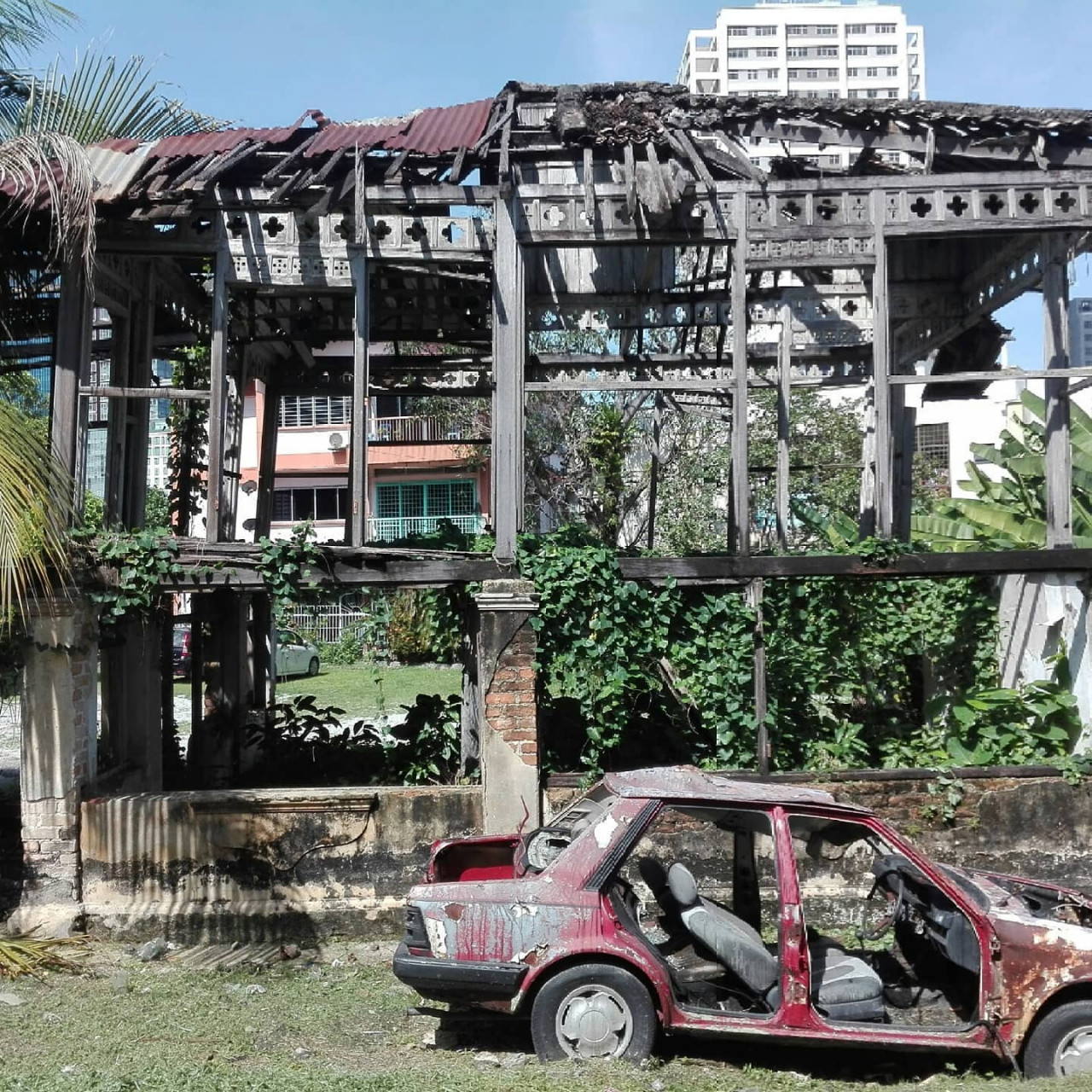
When asked about his aspirations for Kampung Baru, Fuad expressed hope that the authorities would begin an initiative to establish a Malay culture centre based in the area as there are houses that are 120 years old but have fallen into neglect.
“So many things can be done for Kampung Baru but in my opinion, right now, the most important matter is how to preserve these houses as reflections of the lifestyle of the Kampung Baru community. Promotion of Kampung Baru can also be done animatedly as it has so much to offer to locals and foreigners,” stressed Fuad.
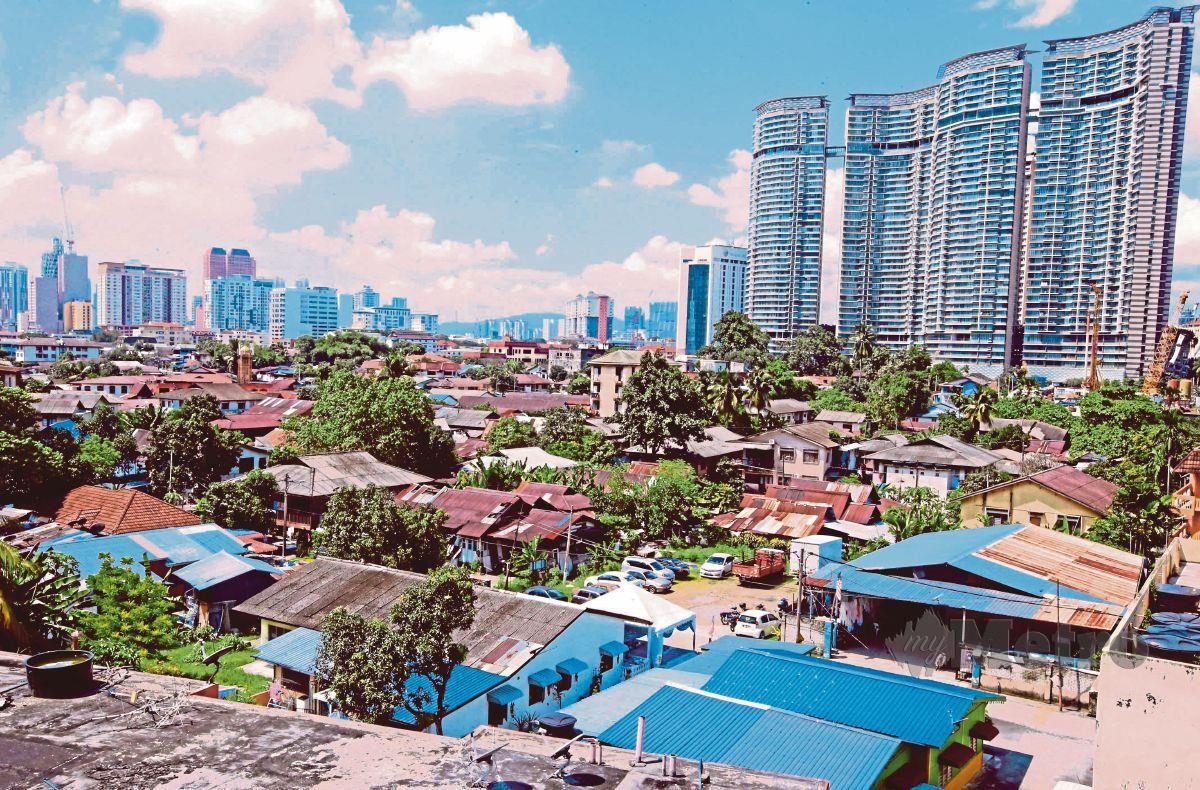
Touching on the more recent issue of the government wanting to purchase land to develop Kampung Baru, Fuad admits that the local community has confronted many changes from the time he was an adolescent in the 1980s, among them negotiations on major redevelopment of the area.
The most serious initiative was taken by the previous Pakatan Harapan (PH) government when locals were offered RM850 per square feet with RM150 in shares in exchange for their land.
However, Fuad, elaborating further, said the previous government did not provide adequate information on the projected development.
“We were not briefed or brought into detailed discussion. They (the PH) government did not explain to us how they were going to develop the area, and who were the contractors involved. This raised many questions among the kampung folks,” he added.
In response, Fuad sincerely hopes that those in authority get to the pulse and soul of the Kampung Baru community before introducing any form of change.
Stressing that he is not against development, he explains that it is the approach and best interest of the community that matter.
“How you respond to and treat the people of Kampung Baru, how you speak to them, in cultural terms, you have to be ‘beradab’ (civilised). Don’t be too arrogant, don’t be too big-headed and do not be too egoistic to anyone here, or in life,” he stressed empathically.
Since the fall of the PH government and under the current Perikatan Nasional administration amidst the global pandemic, discussions on the development of Kampung Baru have been temporarily stilled.
Perhaps, once the cloud of the pandemic lifts, the future of this historical heart of the city, will be in question yet again. – The Vibes, November 15, 2020
Interested parties who are keen to take part in this unique experience of venturing into ‘Kampung’ life with a twist, located in the middle of the city, may secure an appointment by contacting Fuad Fahmy at:
https://magicalkampungbaru.com/
https://www.facebook.com/fuad.fahmy
https://www.facebook.com/MalayCultureVillage