

WE have seen and felt how run-flat tires have improved year on year since they first got fitted on a brand new BMW model back in 2002. Yes, run-flat tires have been around for almost 18-years and BMW have been their biggest promoter and user.
In 2002 BMW launched their Z4 sports car fitted with Bridgestone RE050 RFT (Run-Flat Tire). This was the start of the slow retirement of the spare tire and the toolkit to make way for a new way of keeping you on the road when your tyre hits a nail or sharp object on the road.
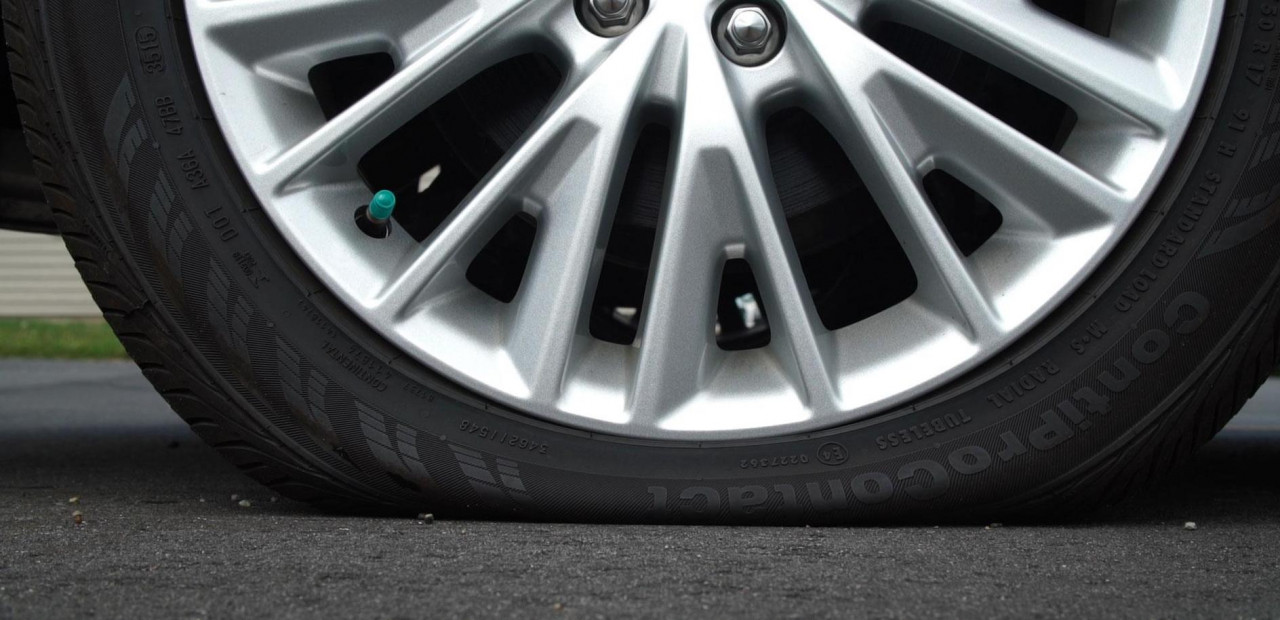
Why? Well with the use of run-flat tires there was no need to have a spare tire and so this reduces weight in the rear and provides for more luggage space. The following year in 2003 BMW installed run-flat tires on their all new 5 Series to provide a lighter sports sedan and start a new trend in the market.
So how does a run-flat tire work well? Well, there are two primary types of run flat tire systems: the self-supporting system and the support ring system. In most self-supporting run flat tire systems, the tire features reinforced sidewall construction that will continue supporting the vehicle in the event of air loss. This construction allows continued operation after the loss of air pressure up to the speed and distance specified by the manufacturer.
So, what are the benefits of run-flat tires? You don’t have to change your tire in dangerous or uncomfortable conditions. This is perhaps the biggest benefit of run flat tires and is the one of the reasons why they were designed. With conventional tires, you have to replace a flat tire on the spot or have your car towed.
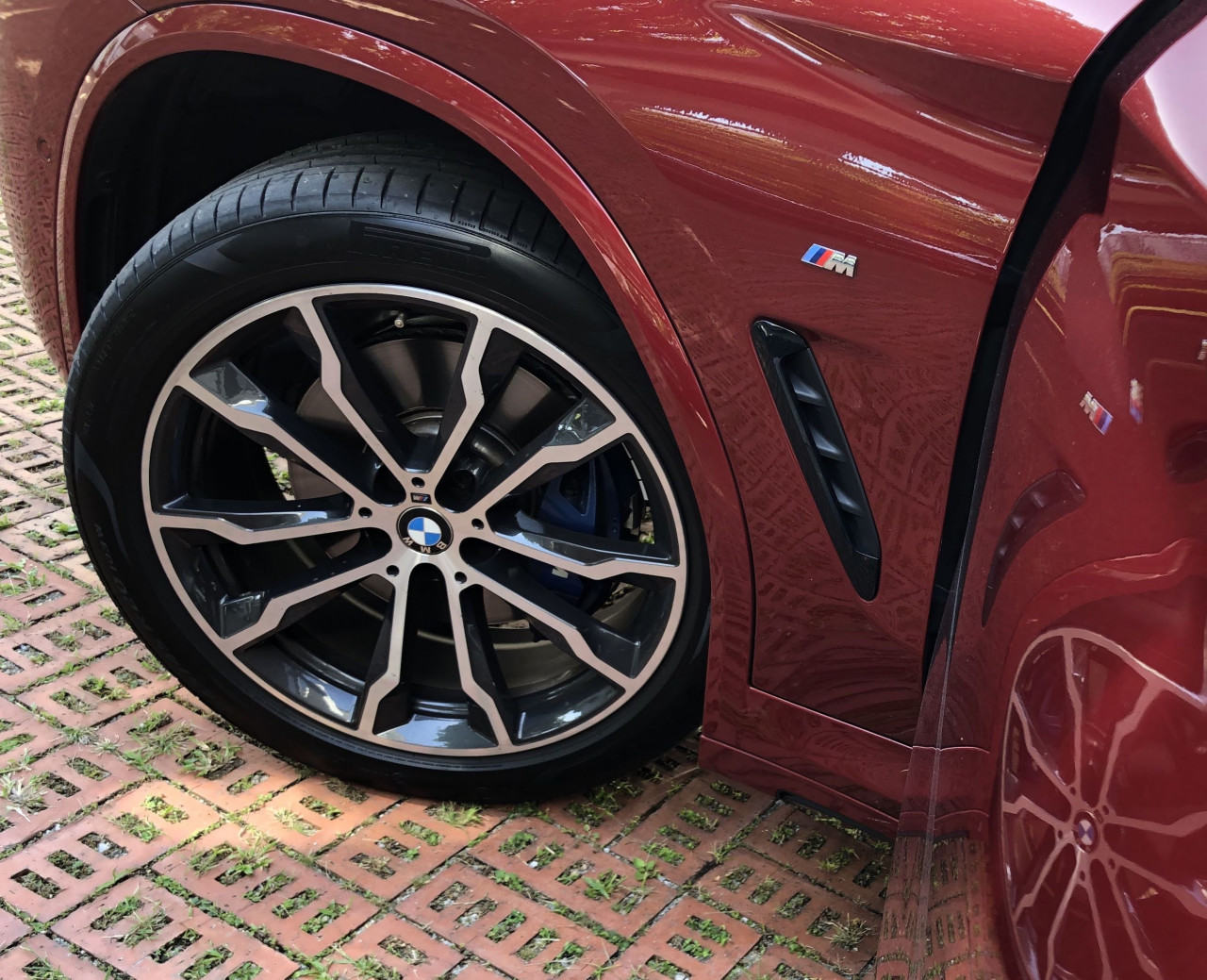
In a puncture situation, run flats are more stable than conventional tires. Since they are made to support your vehicle even when they contain no air, run flat tires will help you maintain better control in a complete air loss situation than conventional tires.
As consumers continue rating safety high on the list of features they look for in a vehicle, the popularity of run flat tires is expected to grow. Since run flat tires work reliably with interconnected technologies like TPMS, it may only be a matter of time before they become the norm rather than the exception in new vehicles.
The downside!
- It must be noted that run-flat tires cannot be repaired.
- Run-flat tires cost much more than conventional tires. Example, 17-inch run-flat tires cost between RM600.00-RM950.00 in Malaysia and non run-flat tires will be about 15% cheaper.
- Run-flat tires deliver a harsher ride, especially on our roads.
- Run-flat tires do not last a long as conventional tires, about 15% shorter life span.
If you drive a BMW and you want to change all your tires back to conventional tires it is best to get a space saver spare tire and tool kit which will cost you about RM400-450.00. – The Vibes, November 18, 2020
This article is powered by www.dsf.my. For more automotive updates, follow DSF.my on Facebook and Instagram.