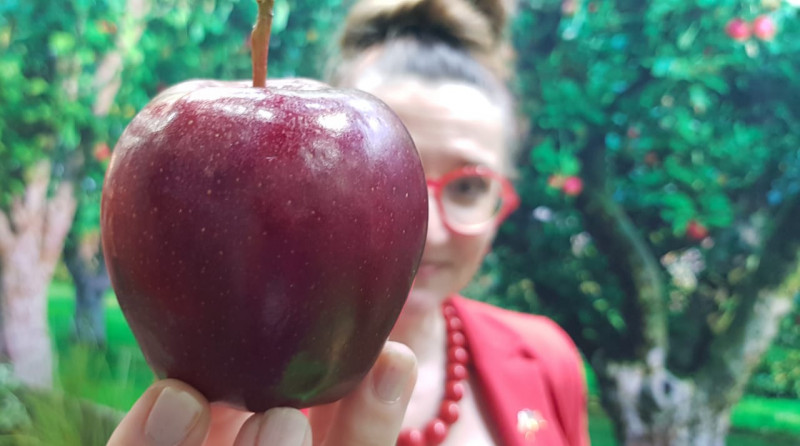

WHILE out of sight and out of mind for most Malaysians, the eastern European nation of Poland believes it has a lot to offer – in terms of tourism, cultural exchange, and most tangibly, in apples.
This past week, Poland’s Fruit Union, the largest Polish fruit association representing producers groups, as well as exporters and distributors of fruit, launched the ‘Fresh from the orchards of Poland – apples from the heart of Europe in Malaysia’ campaign, promoting six different types of the delectable fruit.
This marks the first Polish business delegation to come to Malaysia in the last two years.
Among those who attended a media event in the W Hotel in Kuala Lumpur, was Poland’s ambassador to Malaysia, Krzysztof Dębnicki.

“There is one problem in the relations between Poland and Malaysia, and this is the obvious disbalance in trade between our two countries. We import from Malaysia much more than Malaysia imports from Poland. We believe the fruit union is one way to partly ameliorate this situation.”
Within the wider European Union, Poland is responsible for 11% of all fruit production, and more importantly 26% of all apple production – with the two other apple producers being Italy and France.
Their apples are considered exceptional because of their climate, soil, cultivation technology, as well as the knowledge and experience of the growers, making the apples stand out from the fruits offered from elsewhere in the world. It is also very healthy to consume, while being environmentally sustainable.
The ambassador cited the situation of the last two years or so, specifically the pandemic, when Malaysia exported large quantities of rubber gloves around the world, including to Poland.
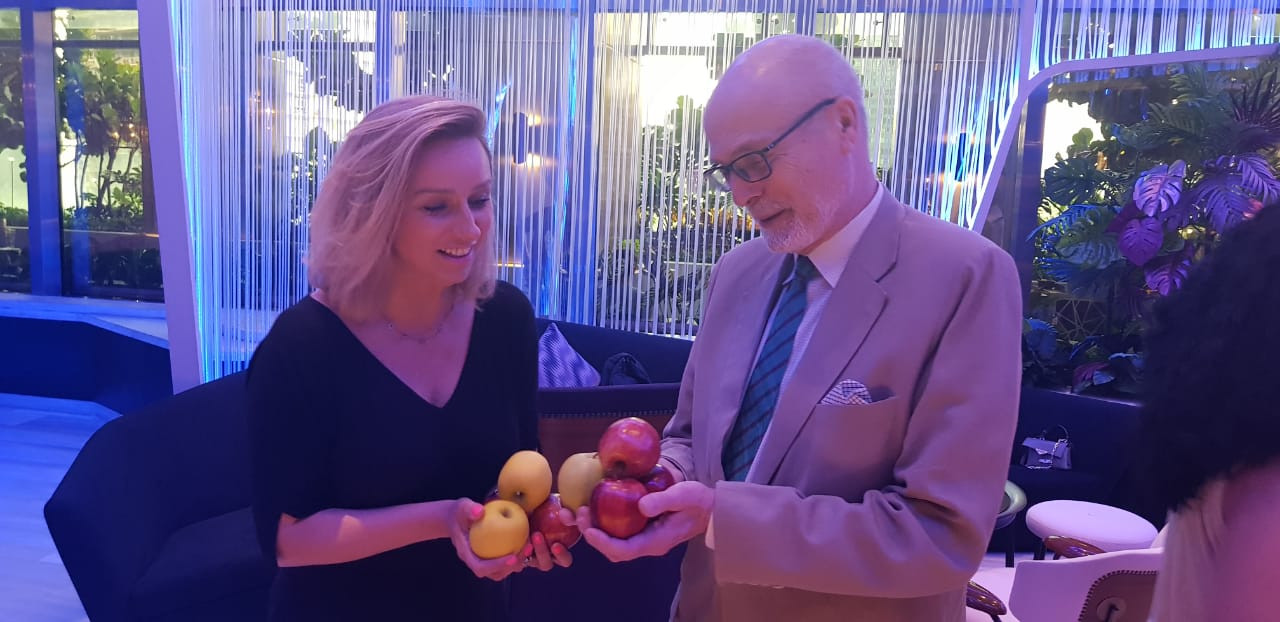
“So I now hope we can make an exchange. We have been importing Malaysian gloves, you are going to be importing Polish apples. Inshallah,” he said.
In terms of cultural exchange, it was pointed out that historically Poland has had a Muslim minority for hundreds of years, with the arrival of the Tatars in the 14th century. This ethnic group of Central Asian origin were a warrior people, inheritors of the legacy of the Mongol empire.
It would be putting it lightly to say the last century was a tumultuous one for Poland, and that is true of the Tatar community who were witness to wars, repatriations and the redrawing of borders. Today, around 4,000 Tatars remain in Poland.
The Polish delegation hopes that this event will be one of many in terms of deepening a connection between both countries. – The Vibes, July 11, 2022