
MANAGER killed in a freak accident after an alleged emotional breakdown, retrenched pilot taking own life without warning signs and a disabled man getting penalised after attempting to commit suicide – these are just some of the gripping news related to stress that caught the nation’s attention this year.
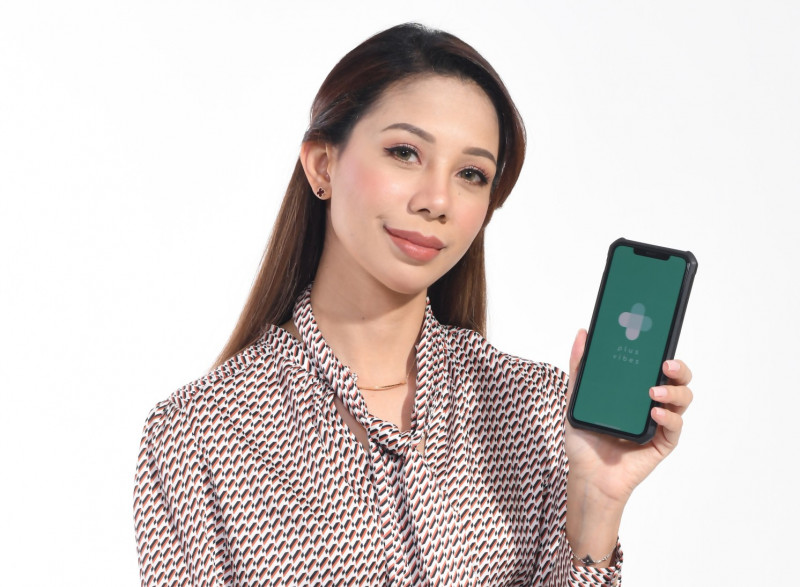
In its hope to help our society deal with depression, PlusVibes – an all-in-one platform for mental health and well-being – offers an avenue for the public to seek advice anonymously when dealing with psychological pressures or motivations to get through the day.
“We all bottle things up to show that we are strong,” said founder, Madiha Fuad, in an introduction video detailing the birth of the application, which connects users to volunteers from trusted NGOs, clinics, associations, and campaigners advocating for a healthy and carefree lifestyle.
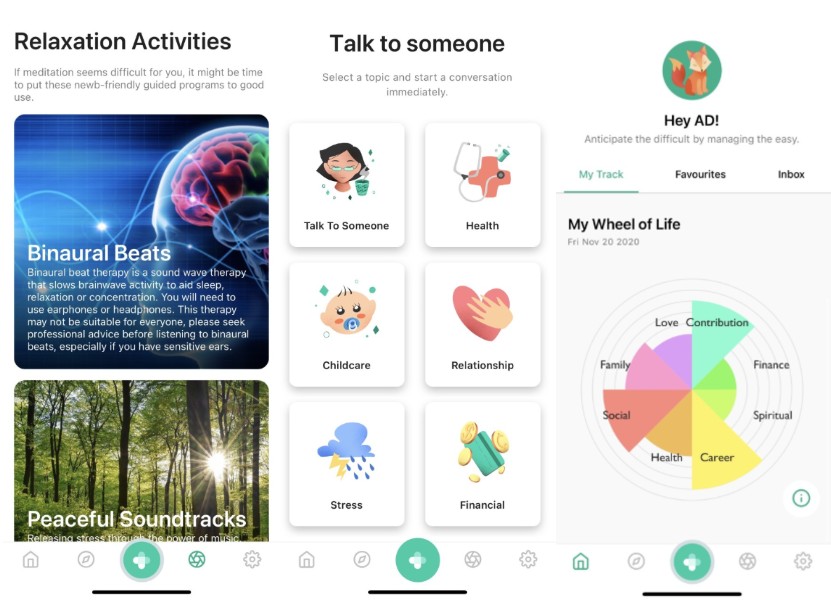
Features include advice on financial matters, childcare, relationships, stress, and health with the assurance that the conversations remain private and confidential.
Ensuring a safe headspace
Prior to establishing the platform, the 30-year-old PhD holder was dealing with her own mental desolation after suffering months of pain from nerve damage, where it spurred drastically during the movement control order (MCO), earlier this year.
She only managed to seek treatment in June and contacted doctors, as well as her friends who were also facing difficulties of their own during the pandemic.
Recognising the importance of expanding mental health support available in the country, Madiha and her peers went ahead and conducted a study to scope the pain points and gather as much data to understand the needs and potential solutions to promote change.
“The support available in Malaysia is still very focused at ‘in the flesh approaches’ for counseling and treatments when in fact, we needed to digitise the existing methods and adapt them to become more accessible or proportionate to the era where services are preferred right at your fingertips,” she shared when contacted.
“The [researching] process wasn't easy because there are many things to consider, but our main goal was clear, and it was to make the application user-friendly enough that people find it reliable.”
According to Madiha, the stigma concerning mental health makes it difficult for members of society to be open and share their problems. People may not seek help because “they are afraid of the common perception towards mental stability.”
“Additional insights also found that online therapy was in some way beneficial as those suffering were able to reach out to organisations and seek help without identifying themselves.”
PlusVibes receives approximately 200 chat requests per day, which shows the magnitude of people who prefer to seek help through one-to-one communication, so imagine the hassle of having to reschedule these consultations due to not having enough resources, schedules being fully booked or the factor of geographic limitation.
“Other than that, we are working to conduct talks and video recordings with various professionals in different fields by having them share advice and tips relating to mental health. I’m hoping that these videos can be a source of motivation for people,” said the founder of the app.
On what goes on behind the scenes of the partnership between the platform and participating volunteers, she notes the setup for NGOs that partner with PlusVibes “is purely an extension in the form of a directory for people to reach out to them” with continuous updates.
“For volunteers (currently classified as listeners and not professionals that give advice or guidance), we make sure that they have psychology or counselling and any related field degrees for a better hands-on experience. The volunteers contribute whenever they are free, so it's flexible.
“As of now, we are working towards onboarding Crisis Management Volunteers for our night shift listeners. Our goal is to partner with the Ministry of Health as we believe with their support, we can onboard more counselors and help more people adequately.”
Madiha says the uniqueness of the team of eight behind PlusVibes is that each member has gone through individual challenging phases, “but we have all grown and built from it. Although [group size] is small, the importance we place on mental health is what drives us to push the platform to one day be utilised to its immense potential.”
Available for download on both the Google Play Store and the Apple App Store, users of the app can assess their life satisfaction through a visual representation of various focus areas to ensure happiness, productivity as well as a positive personal journey.
They can also participate in short meditation exercises in hopes of manifesting a sense of inner peace.
Mindfulness begins from within
There will certainly come a point in our lives where we go through moments that push us to the brink of our sanity, and the discrimination shown towards a mental illness, health condition, or disability makes it harder for individuals to cope.
When asked about what helps her maintain optimism during the hard stretches, Madiha shares “there are many things I think about when I'm going through hardship. Focusing on my purpose in life and what I want to achieve is one – reminding myself why I started something and what I have accomplished.”
She highlights that obstacles will always be there to greet a person, sometimes in the most inconvenient times, “but it’s a matter of how high I have to jump.”
“It’s also about having a good support system like family and friends. However, this type of support cannot be easily passed or forced upon. I personally find motivational articles and videos helpful, especially when the advice and inspirations are gained from people who have shared similar journeys.”
Mental health advocacy is "not only about raising awareness as it is more about understanding the subject in question.”
“The word ‘depression’ is being used lightly to describe how a person feels and because of this, it has resulted in the term being strongly associated to fabrication,” added Madiha, while noting that acknowledging the seriousness of the condition should still be granted enough weight.
Self-pity is one rabbit hole that people tend to put themselves in. To overcome this, she recommends focusing on “what you can do in that given situation and how you can improve rather than feeling sorry for yourself and being stuck in a whirlpool of negative thoughts.”
Her position on whether mental health stability is a privilege: “Yes I do think so because not everyone is brought up in a safe environment and that people with this [stable emotional] state take it for granted.
“Some people are surrounded by toxic familiarities – either coming from families or friends - and some are just surrounded by encouraging support.
“It is possible for people to become a product of their environment, but they can choose to work on their mental health and develop it to become better.
“Most give up because they are clueless and require deeper guidance,” said Madiha, adding “If you take the time to take care of your mind, then you have unlocked the main source of your happiness.” – The Vibes, November 21, 2020