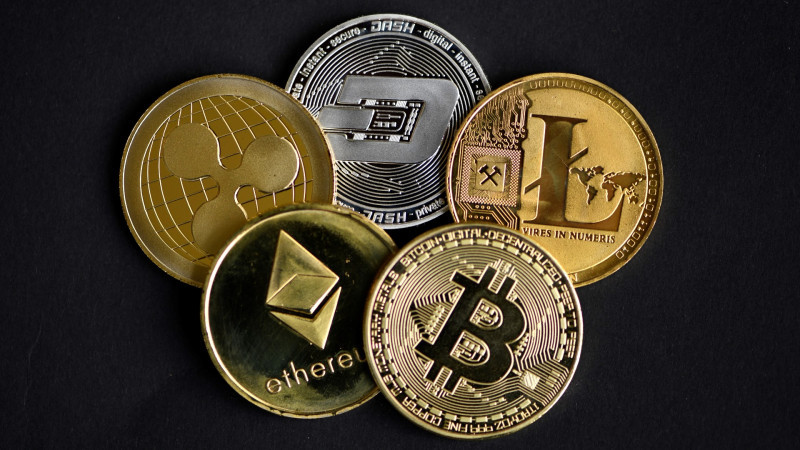

OVER the last few years, NFTs (non-fungible tokens) have risen in prominence alongside the continuing evolution of web3, cryptocurrency and the blockchain. All those terms taken on their own are daunting for the average person who isn’t too plugged into the tech world to comprehend.
By this point, the word ‘crypto’ also carries its own baggage for a lot of people, as it gets wrapped up in the culture wars that rage across social media. Some believe it is a force for good, democratising the flow of capital, while others are hesitant to adopt it based on principle, citing cases of fraud and environmental damage.
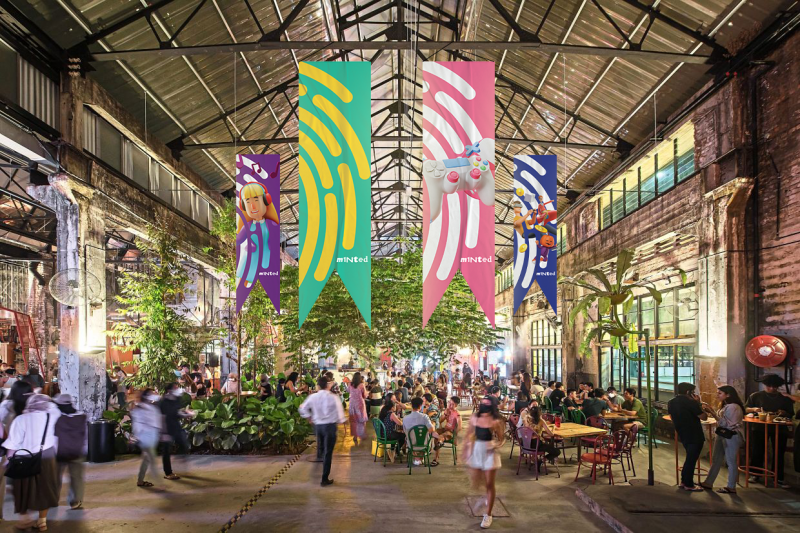
During M1nted, Malaysia's first-ever NFT conference and festival, some of the most evangelical representatives of the industry, firm believers in the blockchain’s potential to change the world by decentralising and democratising the flow of financial capital, shared their thoughts on where it stands today.
Iqbal Ameer, the Group CEO of Livescape – an event company that went through hard times during the pandemic – was a late-comer to NFTs, sharing the scepticism of many.

“I actually first jumped into it because I wanted to make money, you know, everyone was making money. I didn’t understand, so I tried to nosedive and learn about what NFTs were. Like any normal human, I searched Google ‘what is an NFT?’ and everything is telling me a different thing.”
It’s true that the information space surrounding NFTs and cryptocurrency is overloaded, with plenty of positive news and negative information on the subject. The primary spaces where NFTs are discussed, Twitter and Discord, are also swamped with contrary ‘facts’, with plenty of stories of fraud butting alongside success stories.
“But I stand before you today as a convert. In the sense of I’m a believer in the space, I’m a believer in the technology, I’m a believer in what it can do and how it can change things,” Iqbal added.
More bullish on the potential for web3, though acknowledging the misgivings critics have of the technology may have, were representatives of KlimaDAO, the company behind a protocol that uses carbon credits to offset companies’ environmental impacts; Club Media, an entertainment company that uses technology to create content; and Zaiko, a creator empowerment platform the lets fans participate in the creation and ownership of experiences.
Joshua Barry, founder of Zaiko, looked at the fluctuations in the music industry in terms of streaming, Covid affecting the bottom line of artists, and how NFTs can provide stability.
“What we recognised was artists, creators in general, don’t have a bulletproof business model. So what Web3 allows for us is money-making opportunities for creators, for artists when things happen.
“Because events are cyclical, you have an event, then you’re not making money so Web3 gives the co-creation, co-ownership opportunities, NFTs, all different opportunities to keep people focused on you as the creator instead of going somewhere else.
“That’s what’s exciting about Web3, it’s this whole new revenue stream or streams that creators can have that we are building towards.”
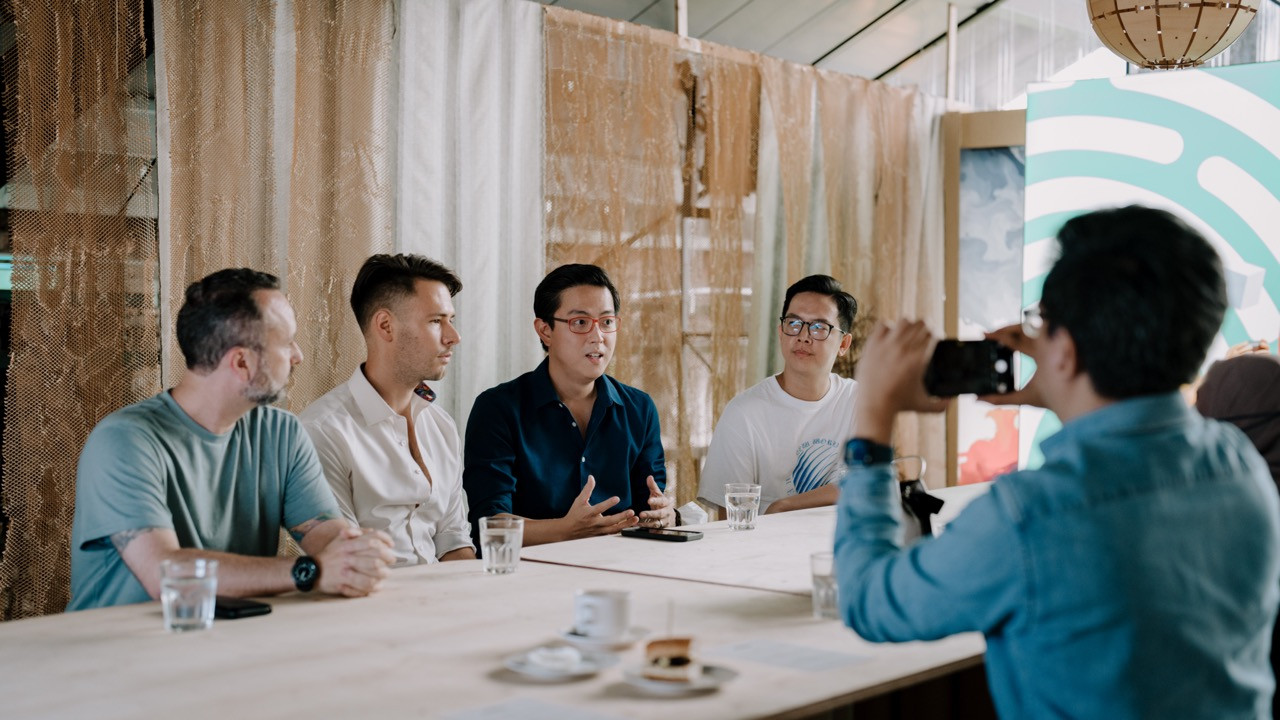
“10 NFTs for 1% each, so that as an artist grows that would be worth more and now they don’t have to sign over all their rights to a music label, they can have ownership, it’s really empowering artists to have ownership over their work and being able to generate real revenue, not just from the onset of that contract but also basically forever,” said Leo Tore, a core contributor at KlimaDAO.
“Not just the primary sale, but the secondary, the third, the fourth, every time there is an ongoing sale – someone sells to the next person – with an NFT you can receive royalties as an artist and you can collect money every time and that’s an incredibly powerful tool and utility for artists,” added Reggie Ba-Pe III, co-founder of Club Media.
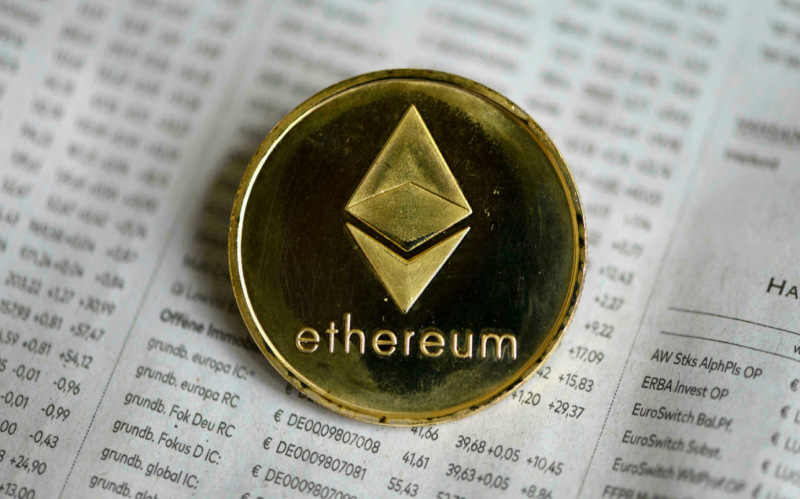
A common complaint against NFTs is their negative environmental effect. Just this past month, Etherium underwent the so-called ‘merge’, which signalled a transition from ‘proof of work’, which is dependent on crypto miners working around the clock to ‘mine’ bitcoin, to a ‘proof of stake’ system, where rewards have to be earned. This has been promised to reduce the environmental burden.
“1 NFT on Ethereum is equivalent to around 7,500 units (of carbon), but what people are discounting is that there are other networks that you can build NFTs on, like Polygon, where one NFT is basically like sending one email, that’s nothing, like 8 seconds of Netflix,” Leo said.
KlimaDAO’s business is predicated on offering carbon credits to businesses to offset their impact to nature – basically, to plant trees to make up for burning fuel.
“Suppose that I’m an airline company and as an airline company, my planes always burn fuel and it’s really hard to reduce that right now, there’s no technology that can eliminate the fuel.
“So, in order to cancel out my negative emissions and impact to the environment, what I can do is I can choose to purchase carbon credits and remove them from the market, because when I remove them, it’s called offsetting and the removal process is the retiring of carbon credits.
“By having removed those carbon credits from the market, that project that was awarded them in the first place, has now profited, and then maybe their neighbouring project, which could be a farmer who is planting soy.”
This has the purpose of incentivising climate positive actions, because businesses and corporations need financial reasons to practice sustainability.
“Imagine if all the NFTs in the world – and there’s gonna be a lot in the coming decade – we could work with them and have every NFT be an offsetting NFT.
“Then you can use a piece of technology that had a perceived negative impact to the environment, and make it have one of the biggest force for good in the battle against climate change,” Leo continues.
Peter G. Noszek, marketing lead at KlimaDAO, is even more adamant in his defense of NFTs.
“People often misunderstand how bad blockchains are for the environment. The amount of energy and carbon dioxide that the bitcoin network – which is the biggest network – produces in the world, is half what tumble dryers in the USA produce in the year,” he said.
A theme that kept getting revisited is the need for any individual interested in NFTs and the blockchain to continue to educate themselves, in spite of all the information flowing back and forth across the Internet.
There’s also the understanding that the industry is still in its infancy, despite all the big numbers being thrown around. There will be highs and lows, as well as setbacks, but the speakers here were confident in web3’s longevity.
“Do I believe that what I have is not going to be stolen? Do I believe the carbon footprint is offset? Right now, that’s not there, so what we need to build, what we all need to evangelise is that the structure itself is trustworthy, and that’s not going to be a hard thing. We’re getting there,” Barry said. – The Vibes, September 29, 2022