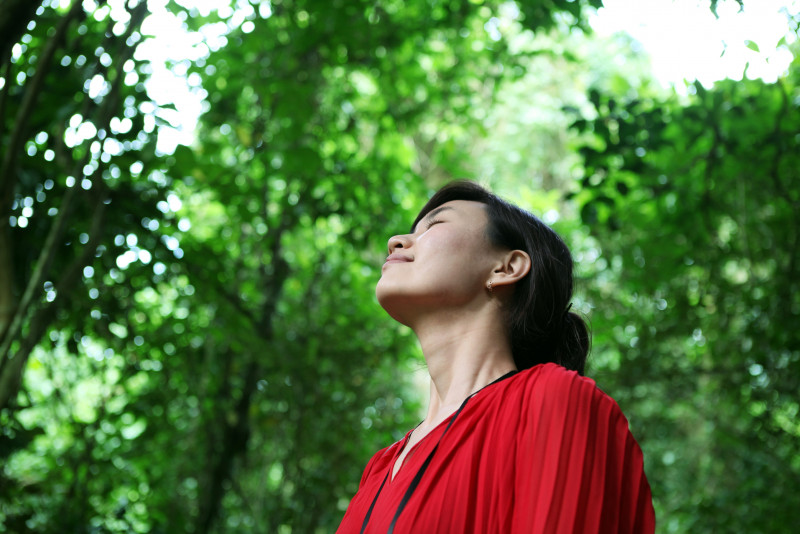
FANCY getting some fresh air? In Norway, free access to nature is a right enshrined in law. It even has a name: 'allemannsretten', or the right to roam.
In the context of the cost of living crisis, this so-called everyman's right of access allows hiking and wild camping enthusiasts to enjoy nature at minimal cost and in an eco-responsible way. Essentially the only condition is to respect the environment.
Life's simple pleasures don't need to be synonymous with spending or consumption. And as the cost of living bites, allemannsretten, or free access to nature, is increasingly on the agenda.
This practice is rooted in the Norwegian way of life and allows people to take full advantage of the Nordic country's landscapes and forests, albeit under certain conditions.
The concept of allemannsretten can be defined as the right for everyone to enjoy nature freely. It is a way for Norway to promote its numerous green and natural spaces.
This freedom is characterised by the right to bivouac or picnic in a natural area, even if it is a private domain, as long as it is "open country." Moreover, people wishing to take advantage of this right do not necessarily have to ask the owners for permission before pitching their tent.
There are nevertheless some rules to respect. The legislation stipulates that people should camp at least 150 meters from the nearest house. This rule also applies to vans, caravans or mobile homes.
If you wish to spend more than one night in the same place, you should ask the owner for permission, unless you are in the mountains or in a very isolated area. In order to respect nature, campers must not leave any trace of their stay.
Some places may be forbidden to campers or hikers, these are called "special protection areas." This can help to protect biodiversity or certain monuments.
For hiking enthusiasts, Norway is not the only country to have legislated on access to nature. In Finland, this concept also exists under the name of Jokamiehenoikeus. In Estonia, it is called igameheõigus.
Since 1994, Sweden has included this right in its constitution under the name of allemansrätt. In short, there are plenty of places to add to the list of potential ecotourism destinations. – ETX Daily Up, November 10, 2022