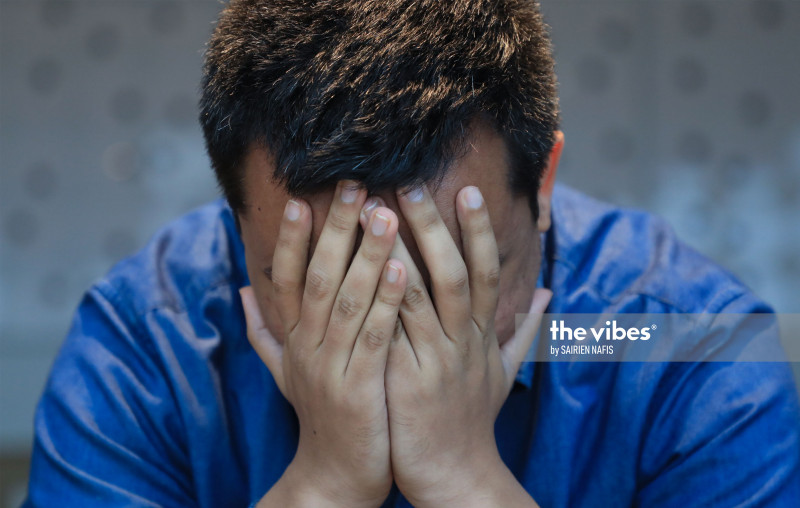

THE ideals of manhood we know to date have been set in stone over the course of centuries and it is still being modeled in our society, even though we do not seem to ponder or question enough how extreme forms of patriarchy, enforced in doctrine and in practice, harms men’s mental health.
We see healthy promotions and flexible models of gender roles headline most debates at the turn of the decade, yet if a man does not discourage his emotional expression or fails to maintain his machoness, society tends to deem him as faulty or simply ‘not manly enough’.
It is a hard and complex battle to go through. For some men, the burden of intense masculinity leads to a psychological darkness of having to suffer in silence.
For a woman reading this, you may need to ask yourself how you are helping to feed male chauvinism to begin understanding the impact of these types of gender stereotypes.
For a man, it is time to drop the tough act over fear of getting penalized for straying away from masculine norms.
Manning-up against toxic masculinity
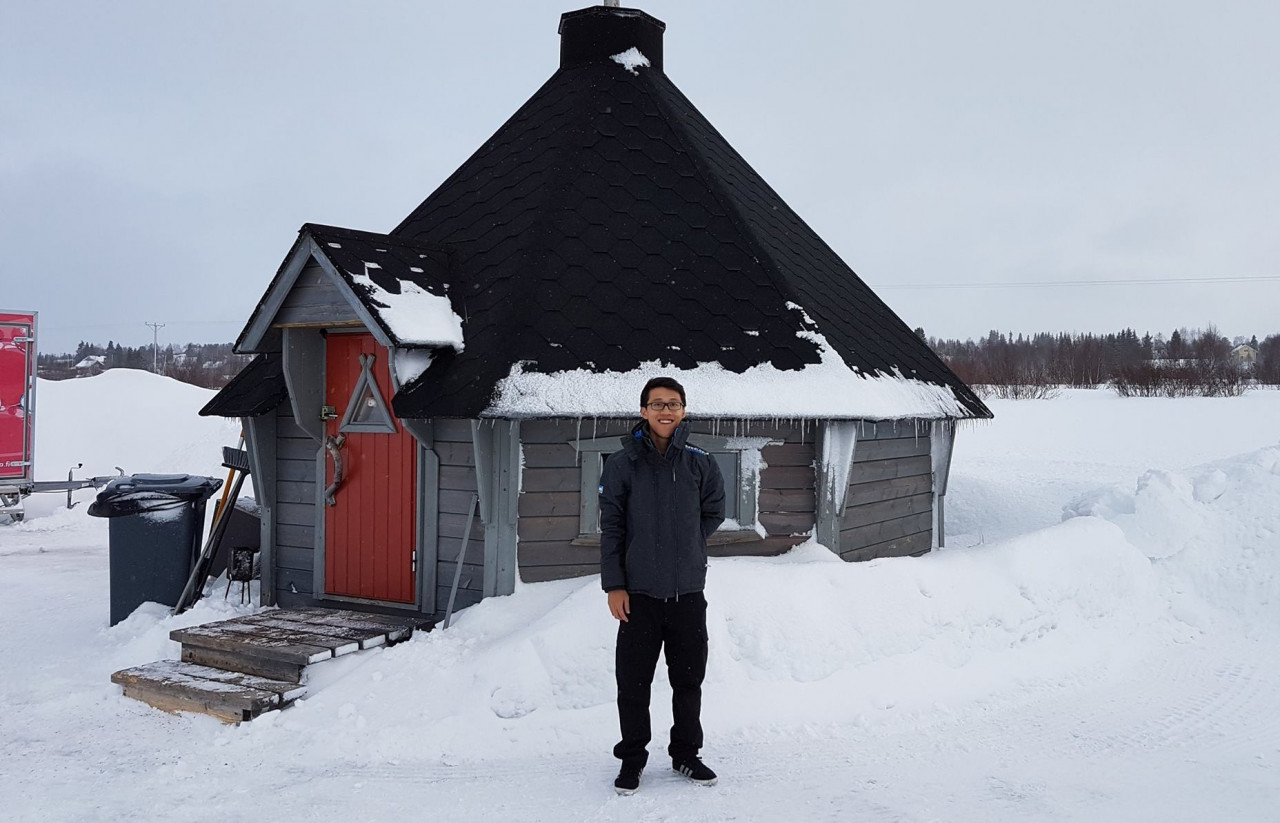
“When men are told to uphold certain social roles or behaviours, especially with the perception that we [men] are superior or that certain things are done better by us, it feeds gender stereotypes,” said Gerard Lye when asked to define masculinity.
For the 30-year-old automotive writer, being a man is not about proving that you are in control, “being dominant or highly assertive to portray the supposed strength and integrity expected as a male figure.”
“Masculinity describes the attributes or qualities associated with men. Since it is closely linked, I believe that there should be less emphasis on being a ‘real man’ and more on becoming a ‘good man’ instead with morals and values that benefit all.
“Men shouldn’t be lambasted for doing certain things that are deemed not manly just because it goes against the thinking of the majority of their equally-gendered peers.”
On the emotional issues affecting men’s health, Lye notes the challenge that the “constant need of living up to the standards of masculinity and adjusting personal interests to make sure other males view you as a tough and macho person is a tough act to keep up.”
On why it is harder for men (in general) to express their feelings and talk about their stresses, he notes: “I think it’s the stigma of the whole thing. If people know something about you that you find very private and emotional, not everyone will show empathy and will use it to attack your very being.”
According to him, hiding or burying insecurities without talking to anyone about it because doing so might be deemed as weak by others is the very reason men bottle things up.
Admitting to having to hide his emotions in the past for fear of being judged, Lye shared most men “keep quiet when faced with certain issues that we want to voice out against – such as misogyny, gender bias and stereotypes – in a move to not upset and potentially lose a ‘bro’.”
“My disposition on this has slowly changed over the years where I am more expressive now. I do place some reservations on what I share depending on how close I am with the person I’m talking to, but how I approach things is to make myself more comfortable is assuming that whoever I’m talking to won’t be malicious with whatever I tell them,” he added, noting that it is indeed a risk that most may find hard to follow.
“Kids make fun of other kids if they still wet the bed after a certain age. Men make fun of other men who cry in front of them.
“This need for men to be the alpha male and to ensure everyone knows it, is what reinforces toxic masculinity – if it is not through physical means, it can be depicted psychologically where one says or does things to belittle another to gain the upper hand.
“Bullying, heckling, shaming are examples of this, and I also see it among intersex couples where the female is told to ‘know their place’,” shared Lye.
He adds that the fear of being judged or looked down upon that some men have after opening up may also result in countering criticism in not so nice (and at times violent) ways.
Empathy starts from home
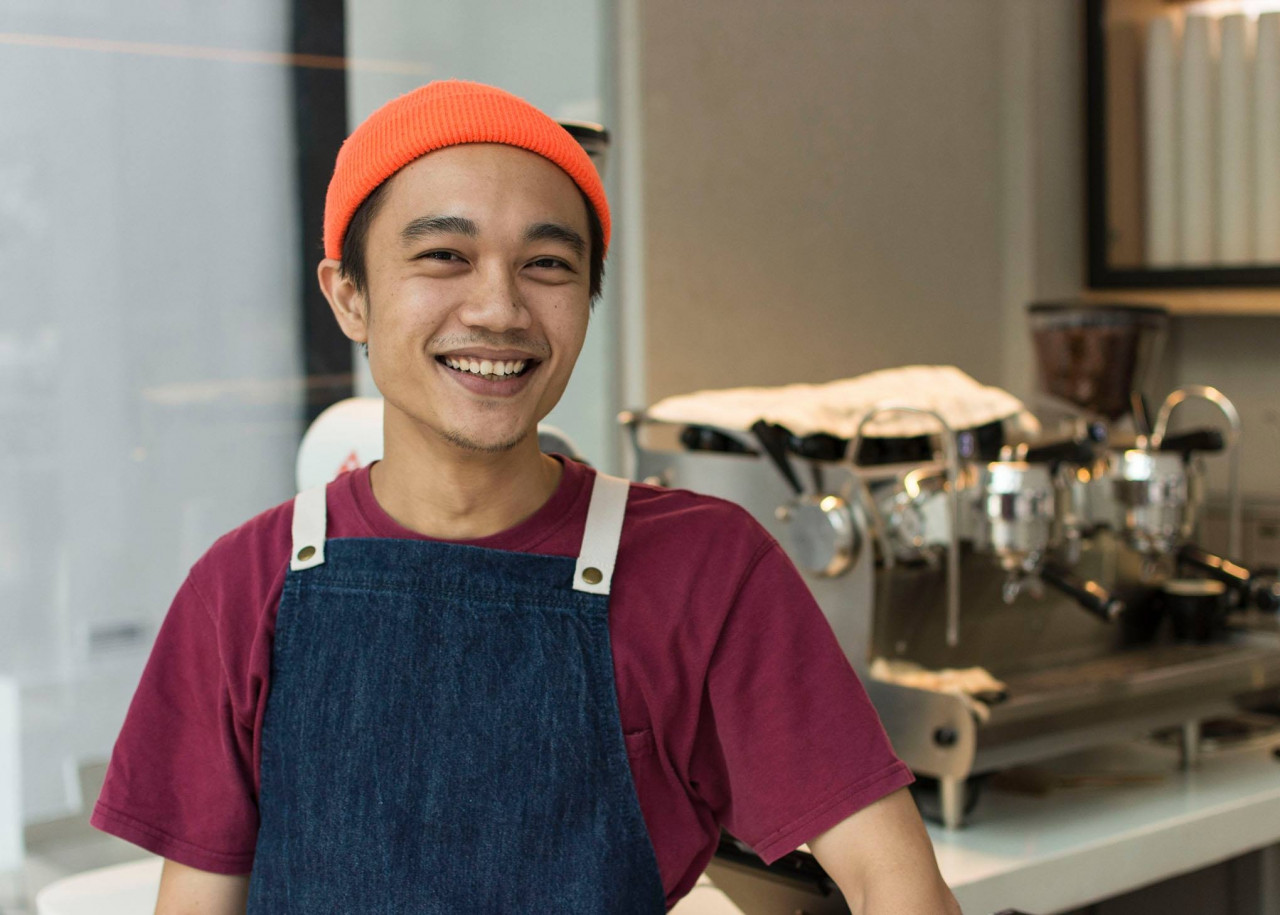
Differentiating between taking charge and exerting toxic behaviour with regards to male dominance can be vague to most men but for Muhammad Najmuddin Mohd Nan, the line that draws the difference is clear, “men should be more conscious of this – taking charge does not mean you need to be destructive towards others.”
Sharing on his upbringing and how it has taught him to challenge gender stereotypes even back in the early days, “My father was always the one who would do the house chores and even cook for the family. I can say he has done a particularly respectable job in caring for the family.”
“In this day and age, the responsibilities are slowly evolving where men are starting to realise that things can be much fluid for the better. Indeed, men are always being relied on but that does not mean we need to show our dominance all the time,” said Najmuddin.
“Toxic masculinity is deeply ingrained in the society because people just tend to shrug it off until something bad happens,” he adds, noting “men (undeniably) think that they are always superior because their standing may be closely tied to religious principles.”
"[Referring to his Islamic belief] Men are the Imams a.k.a. leaders in the family, but that does not put us in a position to exploit those of the fair sex and mean that we can do as we please,” adds the self-employed 29-year-old.
“Ultimately, a person’s interpretation of masculinity boils down to the way he was raised. If the father/man of the household is being thoughtful and shows good example, this will then be mirrored in future generations.”
He notes based on his personal recollections, why men are cautious with their troubles is because they are “afraid that the feelings shared will affect people differently. In our society, men are always portrayed to have a strong façade, and this makes it hard for us to go against such an image.”
Noting that communication is key, Najmuddin expresses that if a man bears his soul, “it is a huge achievement.”
“I do keep things to myself because there are things better left to be handled on my own. That said, I am happy to share my emotions and feelings (when I need to) because I have a significant other that understands the reality of being human means having the right to feel, share and cry regardless of gender.”
Conformity strengthens stigma
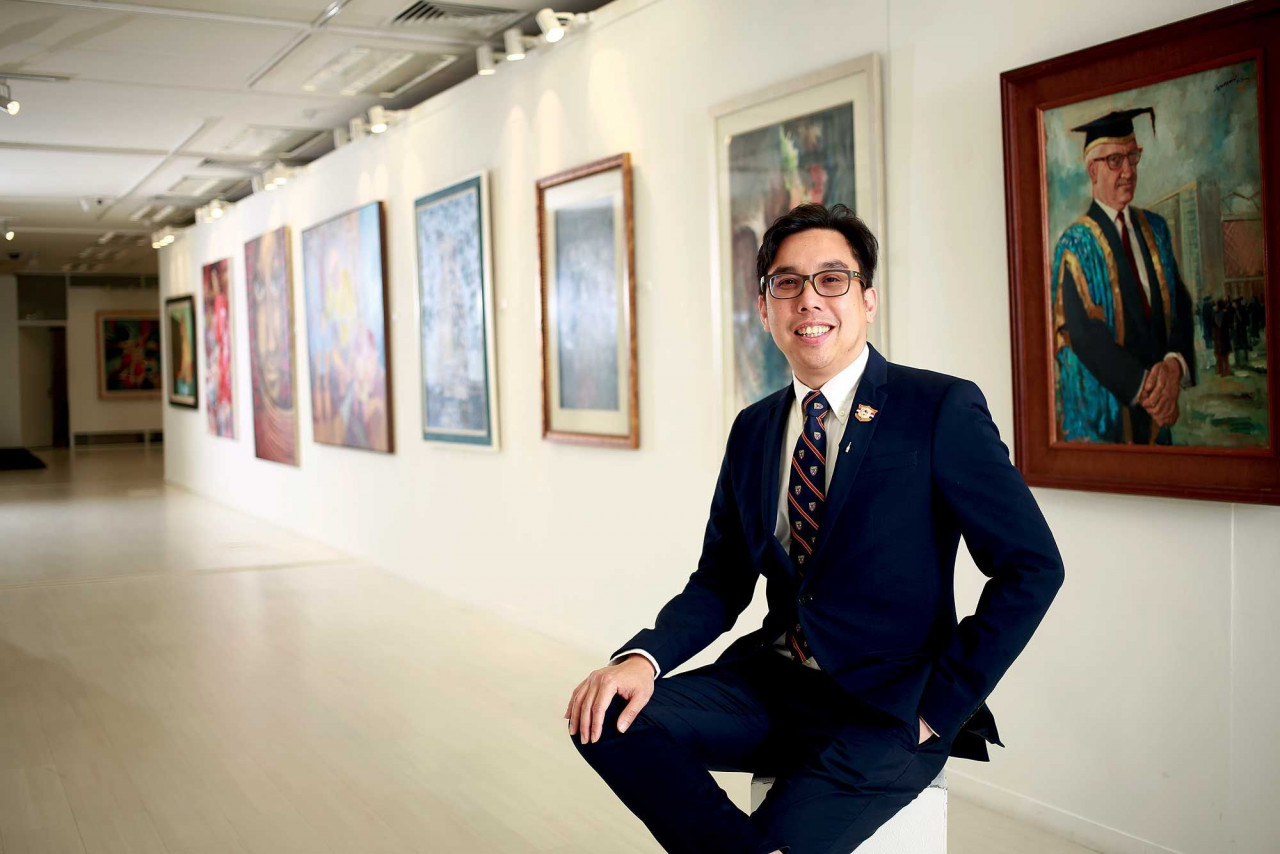
The tough and silent type are often the ones suffering the most. When help comes for these types of individuals, it is usually when they are at their wit’s end.
Associate Professor Dr Amer Siddiq Amer Nordin from the Department of Psychological Medicine, Universiti Malaya Malaysia, agrees that rigid social norms associated with masculinity have led men to take light on taking care of their mental wellbeing.
“Men don’t come and seek treatment (for depression) as early as compared to women because looking for help is deemed anti-masculine,” said Dr Amer.
“This results in the delay in coming forward to seek professional medical attention. Often, men that require treatment (against depression) are at a stage that is already considered moderate to severe where they are already experiencing some functional loss – difficulties in regulating emotions, prolonged mood and depression issues as well as struggling to enjoy day-to-day activities.”
The life expectancy for men (worldwide) is – as data suggest – shorter than women, but having mental health issues (apart from underlying physical disorders) “shortens it further.”
Dr Amer notes: “What we do not want is when men who are suffering from societal pressures start having suicidal thoughts and show signs of acting upon it.”
“Having to deal with unmanageable stress can lead to substance abuse, where men have a higher rate of experimenting with drugs compared to women. Of course, when this happens, it will lead to a greater health risk.”
Other (major) mental health illnesses that men suffer from are schizophrenia and bipolar disorders.
“Although the statistics of those diagnosed with these (illnesses) equal between genders, men come forward with their irritability manifesting in the form of aggression due to the physique and strength they are attributed with. This may sometimes lead to a run in with the law, which the penalty becomes more harmful to mental wellbeing,” shared Dr Amer.
Acknowledging that the pandemic has forced society to really look at the spectrum of mental health more seriously, he notes: “Everyone is on the same boat of having to experience the stress of long-term isolation.”
“Help is available without the fear of being reprimanded through the Talian Kasih (15999), Befrienders Kuala Lumpur, and treatments available at most public and private clinics as well as hospitals.
“In addition, most multinational corporations have also incorporated employer assisted programs where workers working remotely can call for counseling services to get the help that they need.”
Dr Amer says that as a society, throwing hurtful comments at men dealing with emotional stresses, or more importantly, seeking treatment as part of taking care of their mental wellbeing must be stopped.
“Men should be allowed to come forward and this can be done if we provide a safe environment for them to discuss their emotional capacity.
“Nullifying their problems with strict gender conformity will only discourage those suffering by allowing them to retract back and suffer silently.” – The Vibes, November 29, 2020