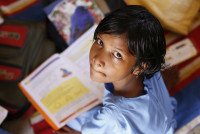
BABIES and young children tend to sleep and drink a lot. But if your child is suddenly much drowsier or thirstier than usual, this could be a symptom of Type 1 diabetes mellitus.
Type 1 diabetes used to be called juvenile diabetes because most who got it were young children. A child could get Type 1 diabetes as an infant or later, as a toddler or a teen. It often appears after age five, but some individuals do not get it until they are late 30s.
According to the National Database on Children and Adolescent with Diabetes, Type 1 diabetes is the most common form of childhood diabetes in Malaysia, accounting for 73 to 77% of all childhood diabetes cases.
Understanding Type 1 diabetes
There is a common misconception that Type 1 diabetes comes from overeating sugar. But, for most, Type 1 diabetes is an autoimmune disease in which the pancreas stops – partially or entirely – producing insulin.
Meanwhile, Type 2 diabetes is often linked to obesity and commonly seen in adults.
“Despite the differences, it is important to remember that both are as serious as each can lead to serious health complications such as cardiovascular disease, kidney failure, vision loss, and problems with wound healing,” shared Dr Ch’ng Tong Wooi, consultant paediatrician and paediatric endocrinologist at Sunway Medical Centre, Sunway City.

Know the 4T of early signs
In children, the initial symptoms of Type 1 diabetes can sometimes be easy to miss because young children cannot tell if they have low or high blood sugar as well as adults can.
Here are the 4T early signs of Type 1 diabetes in children:
- Toilet – frequent urination. Infants and toddlers may experience wet diapers or bed wetting more frequently,
- Thirsty – ongoing extreme thirst and not being able to quench it,
- Tired – extreme fatigue,
- Thinner – losing weight or looking thinner than usual.
Other warning signs can include fruity breath (a sweet fruity odour), breathing problems, and sudden vision changes, which can be a late sign of high sugar.
These symptoms tend to come on quickly over a few days or weeks, especially so for children. Thus, Dr Ch’ng recommends always speaking to your healthcare provider if you notice any of the 4T signs in your child.
“If you notice any symptoms, do not delay bringing your child to the doctor. An easy and fast blood glucose check is all it takes to diagnose Type 1 diabetes.
"And early detection can dramatically reduce the risk of diabetic ketoacidosis (DKA), a serious complication of diabetes that can be life-threatening.”
Parenting a child with Type 1 diabetes
Parenting children with Type 1 diabetes often comes with the demanding task of raising a child while helping them navigate life with a chronic disease. There will be nights spent awake checking your child’s blood sugar level and days worrying about their snack time at school.
Though it is not possible to prevent Type 1 diabetes, there are many ways to help manage symptoms.
“Among other things, a child’s diabetes care plan commonly has four basic parts: One, take insulin. Two, eat a healthy, balanced diet. Three, check blood sugar levels at least four times a day. Lastly, get regular physical activity,” shares Dr Ch’ng.
“Beyond the practical to-dos for an effective coping strategy, parents will not only be responsible for keeping your child safe by building in new routines, but they will also be a crucial support system.”
Your child is counting on you to support them physically, like helping them through an insulin shot, and emotionally, like talking about the feelings of having a new and lasting condition.
To show your support, get involved in daily care and start having open conversations soon after your child’s diagnosis. This will set a strong foundation for communicating about any challenges that could happen in the future.
Wherever your child is at with their diabetes diagnosis, know that he or she has options and does not have to be held back. Your child can still live their best life and do everything they set out to do. – The Vibes, November 14, 2022