

IN case you didn't know, Mazda and Toyota have been working together for some years now.
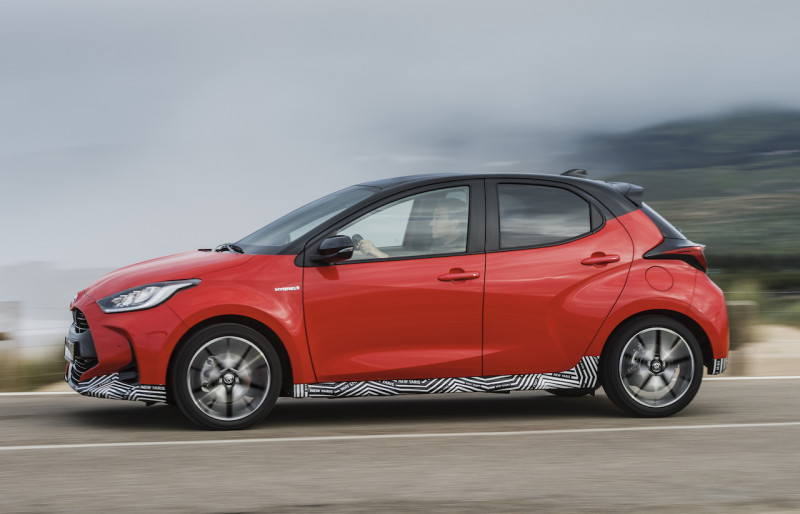
The technical partnership is expanding in the coming months as Mazda plans to release a new Mazda2 compact hatchback which will carry the engineering of the all new Toyota Yaris THS (Toyota Hybrid System).
This technical partnership is important for Mazda because as of now they do not have a compact hybrid power-plant to meet the stricter emission rules of the European Union.
Mazda engineers have been working on improving the efficiency of the petrol SKYACTIV engine since its first showing in October 2010.
The 2010 Mazda2 (also known as the Demio) was the first model to carry the SKYACTIV-G, which was Mazda's new generation direct injection petrol engine that delivered significantly improved fuel efficiency thanks to a high compression ratio of 14.0:1.
The Mazda2 SKYACTIV-G returned an impressive fuel economy of 30 kilometers per liter without any assistance from an electric motor.
This hybrid powered Yaris is the first model to adopt the TNGA platform (GA-B) for compact cars and features a lightweight and highly rigid body with a low center of gravity.
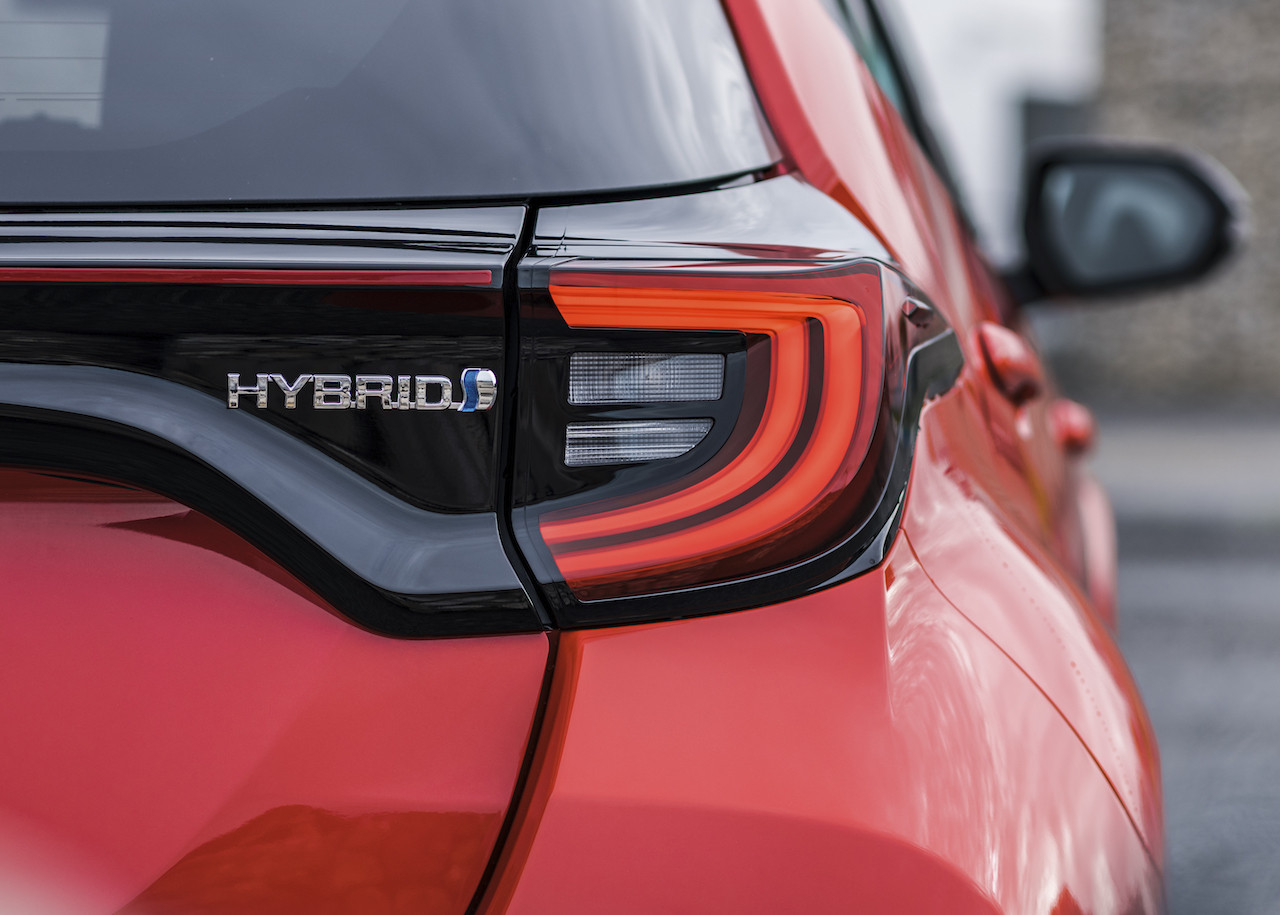
The car's next-generation hybrid system is based around a 1.5-liter inline three-cylinder Dynamic Force Engine and fuses powerful, seamless driving performance with world-leading fuel efficiency for a compact car of 36.0 kilometers per liter, according to WLTC test cycles.
The new Yaris is also the first Toyota compact car to feature the E-Four electric four-wheel-drive system.
Toyota’s recognized leadership in self-charging hybrid technology is built on more than 20 years’ experience.
With billions of kilometers of driving experience around the world, Toyota hybrids have also proved their outstanding quality, durability and reliability.
It is estimated that Toyota hybrid vehicles collectively drive over 500 million kilometers around the world every day.
Since the introduction of the first Prius back in 1997, Toyota Motor Corporation has sold more than 14 million hybrid vehicles worldwide and their engineers are constantly improving the technology and introducing new models across a wide range of market segments.
This latest hybrid system features the new 1.5 Dynamic Force three-cylinder Atkinson cycle petrol engine with variable valve-timing.
As with its four-cylinder 2.0 and 2.5 counterparts, it benefits from detailed measures to reduce internal friction and mechanical losses and optimize combustion performance.
In fact, the engine has the world’s fastest combustion speed, supporting high torque at low engine speeds and fuel efficiency. It is also fitted with a balance module, which helps reduce engine noise and vibration.
As a result, it achieves a 40% thermal efficiency, higher than typical diesel engines, helping secure a more than 20% improvement in Yaris’ fuel economy and CO2 emissions.
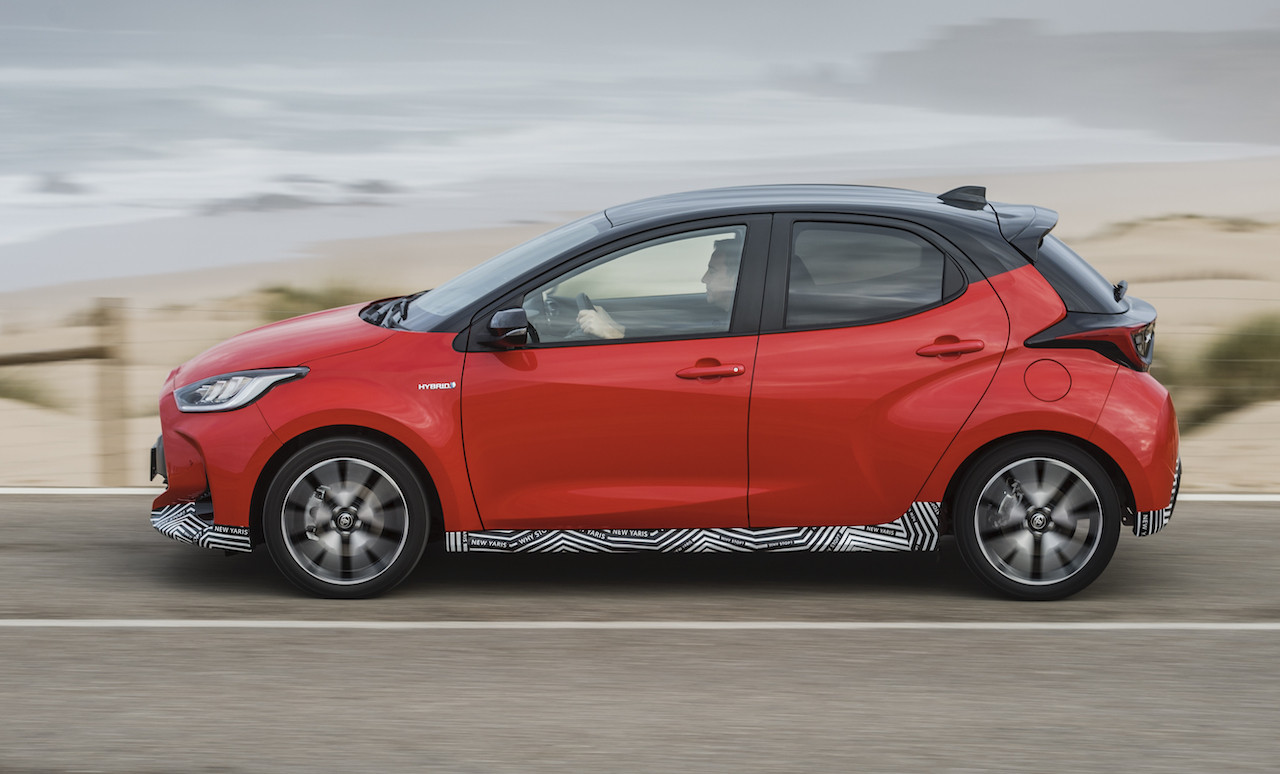
At the same time, system output has been increased by 15% and power delivery refined to give a confident and natural feel.
The hybrid transaxle has been fully redesigned, adopting a new dual axis structure that makes it more compact (9%). The result is a low-loss gear-train with smaller overall dimensions that improves performance and easily packages within the new Yaris’ GA-B platform.
The system also adopts a new lithium-ion hybrid battery with an increase in output that enables quicker vehicle acceleration. As well as being more powerful, the new battery is 27% lighter than the nickel-metal hydride battery it replaces.
More information and its Malaysian launch date will be shared in time. – The Vibes, December 1, 2020
This article is powered by www.dsf.my. For more automotive updates, follow DSF.my on Facebook and Instagram.