OIL blending activities must obtain written approval from the Customs Director-General when required under relevant regulations and be supported by comprehensive documentation to ensure legal compliance and transaction transparency.
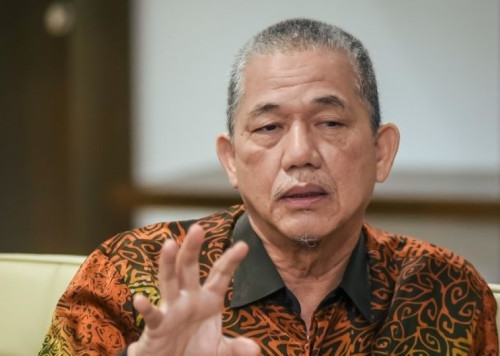
Dr Madzli Harun, an expert in maritime, customs, and cross-border trade policy and law, stated that every activity involving the importation, storage, blending, and re-exportation of oil must be carried out in accordance with the scope of the license and conditions stipulated by the authorities.
He noted that blending activities can alter a product's composition and specifications; therefore, clear records are essential to verify quantities, cargo movements, and the product's condition both before and after the process.
According to him, relevant documents—such as contracts, Bills of Lading, and cargo manifests—must be aligned to ensure that declared information corresponds with the actual transactions and the actual state of goods.
“If a premise is approved solely for storage purposes, any additional activities—such as blending or altering product grades—must be scrutinised against the scope of the license and prevailing regulations.
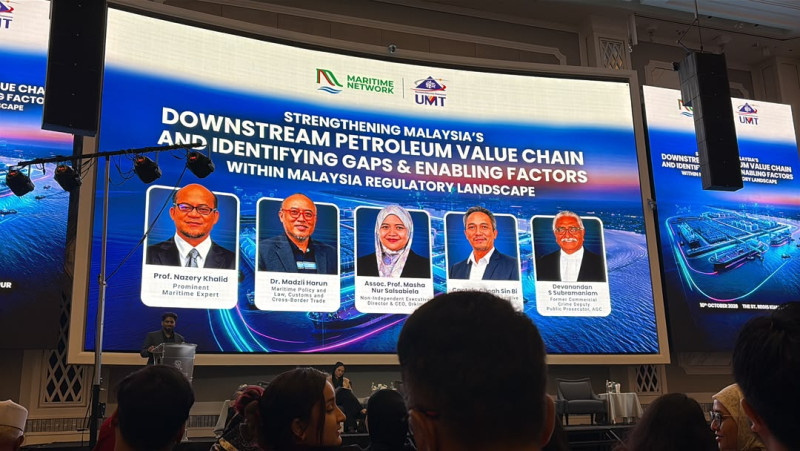
“Operators must ensure that written approval is obtained where required and that all activities are accurately recorded,” he said at a forum titled ‘Strengthening Malaysia’s Downstream Petroleum Value Chain and Identifying Gaps and Enabling Factors Within Malaysia’s Regulatory Landscape.’
The forum was organised by Maritime Network Sdn Bhd in collaboration with Universiti Malaysia Terengganu (UMT).
Madzli noted that incomplete documentation or discrepancies between records and the actual state of the cargo could raise questions regarding goods declaration, regulatory compliance, and tax treatment.
He added that comprehensive audits are crucial to ensure that the volumes of oil received, stored, blended, and exported can be identified and reconciled with relevant documentation.
In cross-border trade, he stated that determining the origin of goods and eligibility for preferential treatment under free trade agreements must be based on rules of origin and relevant supporting documents.
Consequently, he emphasised that industry operators must ensure every transaction complies with established requirements, while authorities must maintain adequate records to assess compliance levels and tax implications.
.jpeg)
He remarked that clear controls over blending activities—including requirements for approval and proper documentation—are essential to safeguarding the integrity of the Customs system and minimising the risk of disputes between industry players and the authorities.
Meanwhile, maritime industry expert Nazery Khalid stated that unauthorised oil blending activities—conducted without proper monitoring, adherence to standards, or appropriate documentation—must be treated with serious concern, as such incidents can threaten health and safety and compromise the integrity of the authorities responsible for overseeing these activities.
He stated that should such an incident occur, questions would arise regarding adherence to safety procedures, the effectiveness of monitoring, and the enforcement of regulations concerning oil-blending activities.
According to him, close attention must be paid to aspects such as approvals, documentation controls, and compliance with operational conditions to ensure that all activities are conducted in a controlled manner, in accordance with established regulations as well as international standards and best practices.
He stated that weaknesses and a lack of integrity regarding documentation, oversight, and enforcement not only pose risks to the public and the environment but could also undermine the confidence of industry players, trading partners, and the international community in the transparency of Malaysia’s cargo handling regulatory system.
“Inconsistencies and inaccuracies in cargo documents—such as Bills of Lading and manifests—must not be taken lightly, particularly concerning liquid cargoes like petroleum products and palm oil.
“Such issues could create opportunities for various forms of misconduct that may have adverse effects on health and the environment.
“If this situation is not addressed promptly and comprehensively, it could erode public confidence in the integrity of the industries involved and tarnish the nation’s image on the international stage,” he added. – October 10, 2026