SABAH and Sarawak will receive an additional RM2.2 billion in federal allocations under Budget 2027, as the government seeks to address longstanding development disparities and strengthen its commitments under the Malaysia Agreement 1963 (MA63).
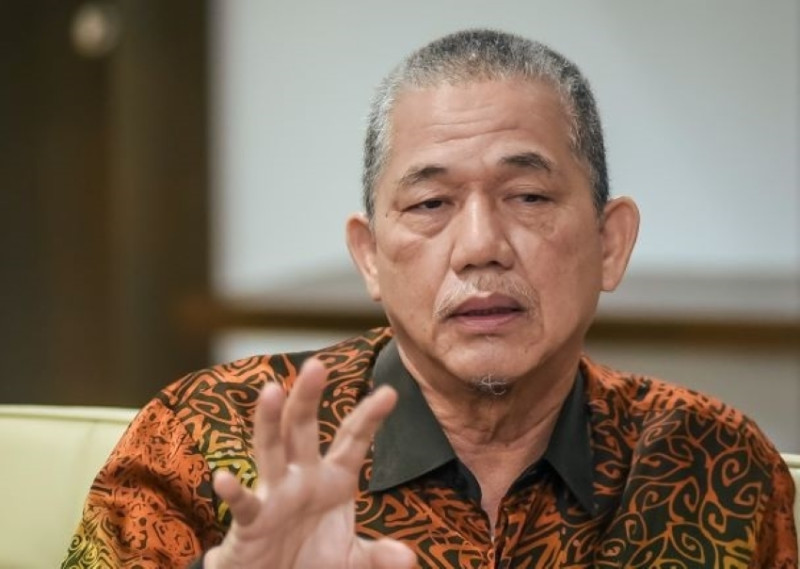
Deputy Prime Minister II Datuk Seri Fadillah Yusof said allocations for the two states would rise by RM1.1 billion each, bringing Sabah’s share to RM18.7 billion and Sarawak’s to RM16.2 billion.
The increased funding comes amid continued efforts to improve access to basic amenities, education, healthcare, rural connectivity and economic opportunities in the two states.
“The 2027 Budget strengthens the Federal Government’s commitment to more balanced development for Sabah and Sarawak, delivering direct benefits to the people and demonstrating its firm commitment to the Malaysia Agreement 1963,” Fadillah said in a statement on Friday.
On MA63, the government has raised the interim special grant to RM1.5 billion following three increases, while negotiations continue to finalise the annual grant formula.
Education is another priority, with Public Service Department scholarship offers for students from Sabah and Sarawak doubled to create opportunities for 4,200 students annually. Nearly RM1.3 billion has also been set aside to upgrade 682 dilapidated schools, particularly in the two states.
In Sabah, the federal government will continue providing RM600 million to help ensure electricity supply continuity, alongside RM204 million for STATCOM systems and the continuation of the Southern Link transmission project.
Sarawak’s priorities include developing the Sibu Special Economic Zone, building the Kuching Dental Specialist Centre and a specialist centre for elderly care, as well as implementing the Kuching City Flood Mitigation Project.
A further RM3.3 billion will fund road projects across Sabah and Sarawak, including the Trans Borneo Highway, Sarawak-Sabah Link Road and Pan Borneo Highway in Sabah. Airport upgrades and improved rural connectivity are also planned.
Fadillah, who is also Energy Transition and Water Transformation Minister, said the funding was intended to ensure that development commitments translated into tangible improvements in people’s lives.
The scale of the allocations and the focus on schools, electricity, roads and healthcare place delivery of basic services at the centre of the government’s regional development agenda. - October 9, 2026