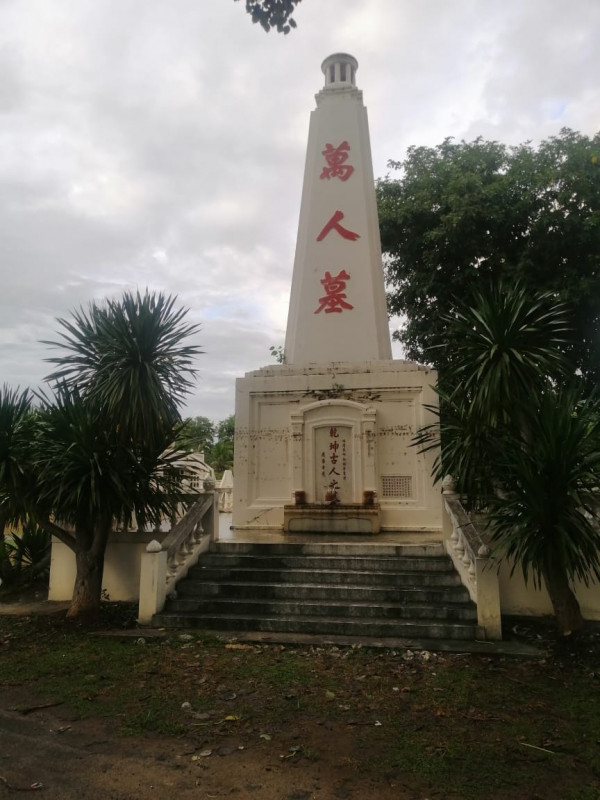

WITH a new Malaysian government in place, the Death Railway Interest Group (DRIG) hopes Putrajaya will consider their plea to upgrade a war memorial in Kanchanaburi, Thailand, that honours some 100,000 lives lost in the building of the railway during World War II.
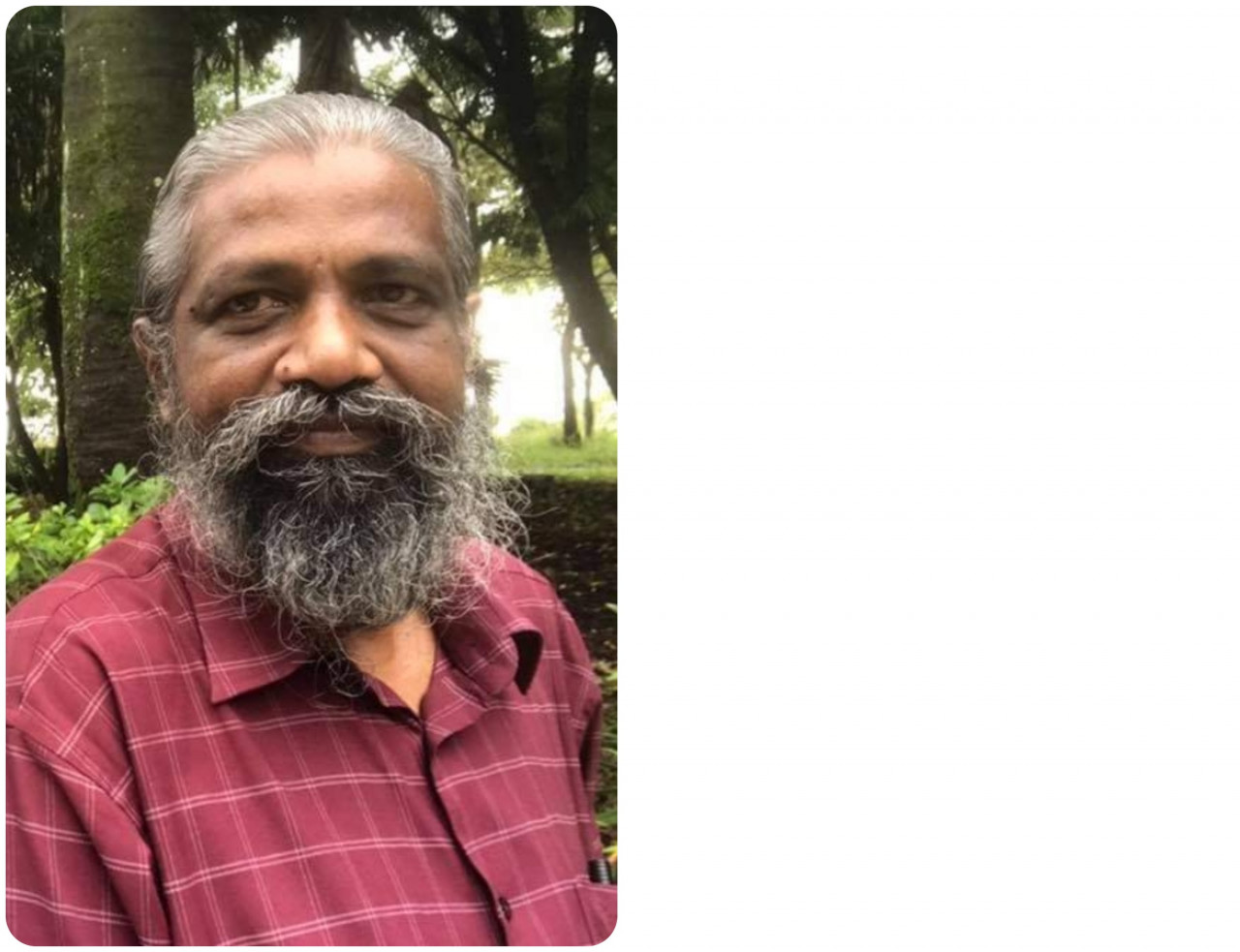
P. Chandrasekaran, who leads the group, said it is hoping to upgrade the monument as well as obtain compensation to the Death Railway’s survivors and family members of those who died while building the railway line.
According to him, 70% of the more than 100,000 who died building the railway that runs from Thailand to Burma (now Myanmar) from 1940 to 1943, were of Indian descent.
Along with Allied prisoners of war (POWs), they were coerced into building the railway as forced labourers for the Japanese army which wanted the 402km track completed in record time.
The tragedy of the Death Railway victims was dramatised by the Oscar-winning production, The Bridge on the River Kwai, in 1957.
Today, the railway now runs between Ban Pong in Thailand and Thanbuyuzayat in Myanmar, and is used as a cargo and passenger line.
Chandrasekaran said the perception, stemming from a “western narrative” that highlights the deaths of 13,000 Allied POWS in the building of the railway, must change to acknowledge the fact that another 80,000 who died were labourers from other Asian countries.
He told The Vibes in an interview that historical accounts tend not to include the almost 200,000 Asians who were Thais, Burmese, Javanese, Chinese, Malays and Tamils from Malaya, who had been forced to work on the railway line.
“Almost half of them lost their lives, compared with 13,000 (Allied) POWs,” he said.
The monument to the dead in Kanchanaburi is for all victims, regardless of their origin, he noted.
On Malaysian survivors from the railway, Chandrasekaran said there were around four of them left.
“They are not recognised and neither are the descendants of those who perished. Many are living mostly average lives with their past tragedy going unacknowledged.
“It was forced labour. Many perished due to the harsh working conditions, brutal treatment, famine, cholera, malaria, dysentery and even suicide.” – The Vibes, February 6, 2023