


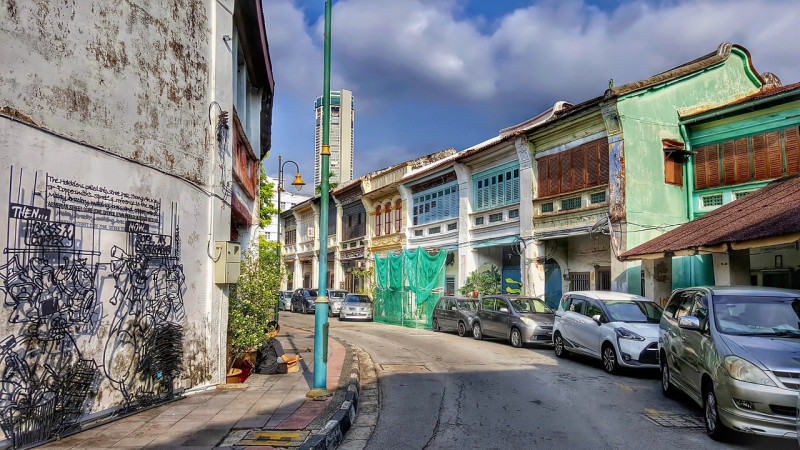

THE drive to showcase Malaysia's conservation and preservation practices are now under threat, just as both George Town and Melaka mark the 15th anniversary of receiving their World Heritage Site status this year.
In 2008, Unesco bestowed the globally acclaimed status on both George Town and Melaka with the understanding that both cultural centres would subscribe to the guidelines imposed – namely to safeguard their heritage enclaves.
And for the past 15 years, Penang and Melaka have made great strides in firstly protecting the enclaves and in tandem, turning their surroundings into mega-tourist attractions.
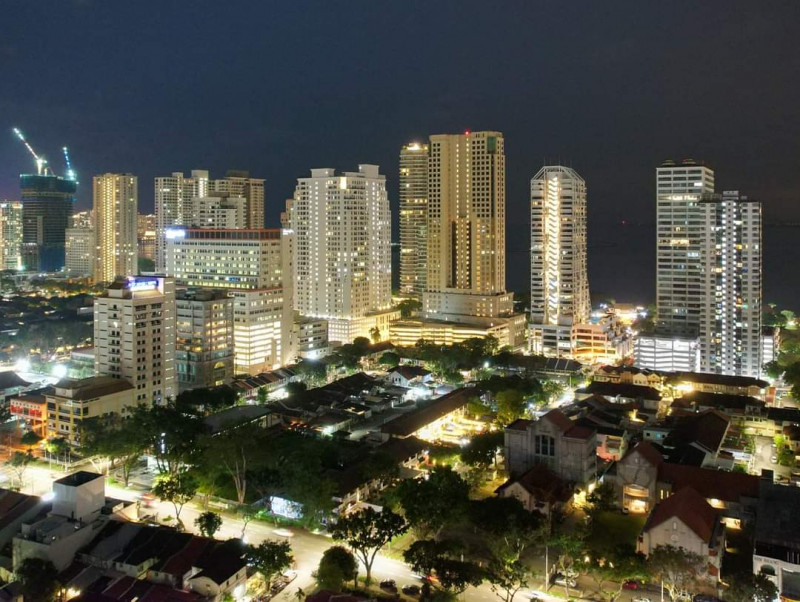
But the issue which keeps arising, is the sustainability and the extent of the desire of the custodians of both sites to upkeep what is old in the terms of what Unesco defines as the Outstanding Universal Values (OUVs).
The worry is whether the exuberance of tourism, would instead prompt the neglect of the heritage site's intricate values.
The OUVs are defined by Unesco as preserving old buildings, traditional crafts, culture and unique skills, as well as other items related to heritage such as gastronomy, rituals or practices.
While, food is second to none since Malaysians generally possess big appetites, the other items on the heritage wish list do not seem to be getting the right attraction it craves, such as old buildings.
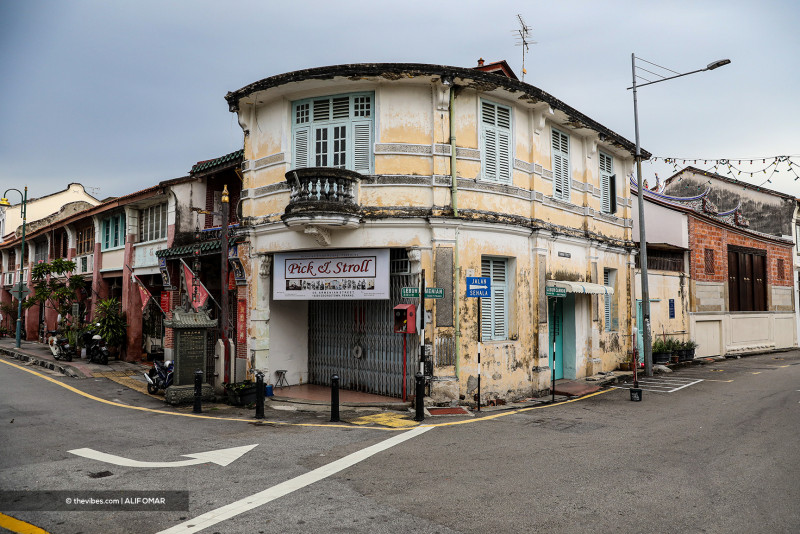
Old vs new
In the age of rapid technologic development, the dependence on anything old is eroding. Society tends to buy into new trends, while the old ways are often discarded.
In this context, the need to preserve the Unesco World Heritage Sites in their original condition is a daunting proposition.
Penang Heritage Commissioner Rosli Nor has urged critics not to simply criticise, but to offer alternatives and suggestions to help the authorities.
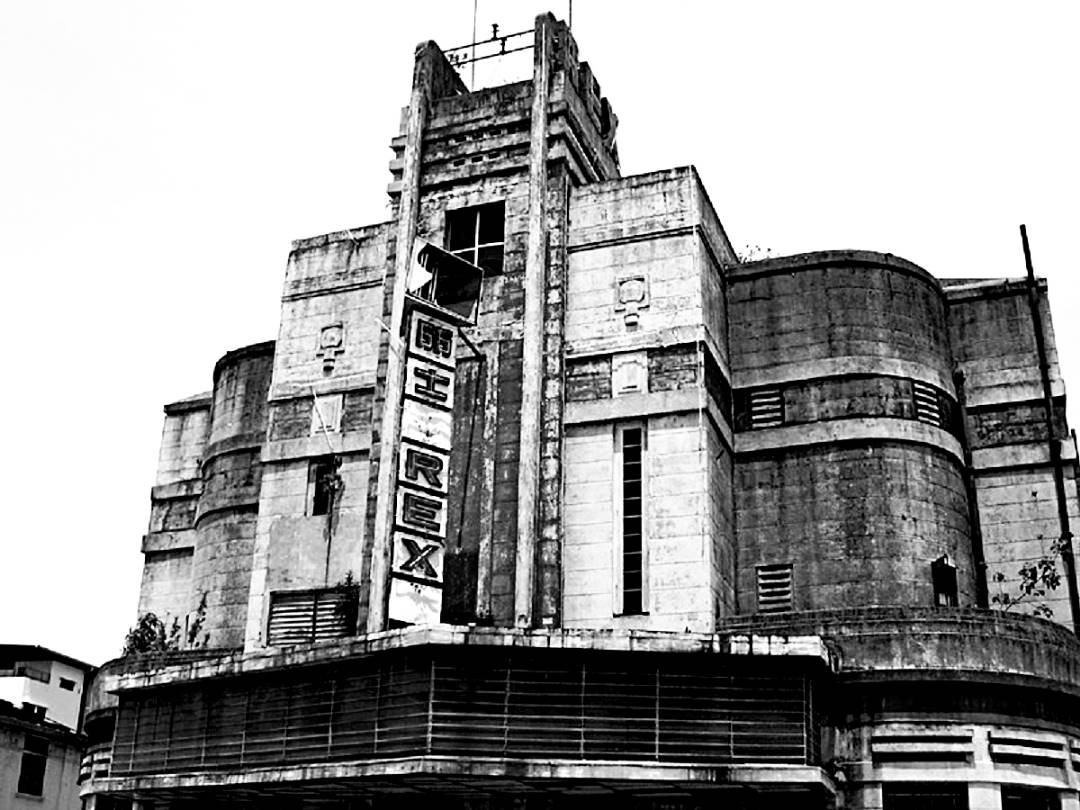
But of late, from approval given by the Penang Island City Council to demolish the over 80-year-old Rex Theatre, to the levelling of old buildings outside the core zone, to claims that parts of the Stadthuys building in Malacca, are in a state of disrepair, has cast more doubts than assurances over the intentions of the local authorities here.
Technically, the core heritage zones remain protected but civil society groups want the areas beyond core and buffer zones to enjoy the same status, as the whole of Penang has strong heritage values, other than George Town.
Weighing in is civil society group Aliran, a pioneering group who focuses on societal issues. Its president Anil Netto told The Vibes that conservation versus development is a philosophical dilemma among the authorities.
The spate of recent incidents which had aroused anger among social activists in Penang and Melaka, is where the local authorities from the federal, state and city councils need to come to grip with, said Anil.
"We want a good quality of life to envelop the sites from preserving the environment to the heritage as well as the culture or arts. What the authorities want is some smart intelligent city concept which may compromise the virtues of protection of our heritage."
The question is what do the taxpayers want, asked Anil.
He figures the majority of residents in Penang want their heritage buildings and OUVs to be conserved and preserved for future generations.
"They are not really into the techie stuff to promote tourism. I think tourists also want something different. They also want our street food, beaches, our hills and our ferries as well as our Gurney Drive."
The beaches and hills are said to be compromised due to hillside development, and the Batu Ferringhi beachfront is now suffering from serious erosion.
"We need to ask whether Penang wants to recreate Singapore or Hong Kong, or the state wants to be something different altogether."
Catering to tourists while preserving heritage
Anil said that tourists come to Penang to see the old charms and laidback settings, instead of what they would experience in Singapore or Hong Kong.
Anil said that it is unacceptable that the issue of protecting heritage sites is left in a state of uncertainty and that there needs to be more political will to stand up against developers and to find innovative ways to ensure the past is preserved.
Heritage activists Mark Lay and Shaukani Abas, an award-winning tour guide, both stressed on the importance of a consistent policy in conserving and preservation of anything associated with heritage.
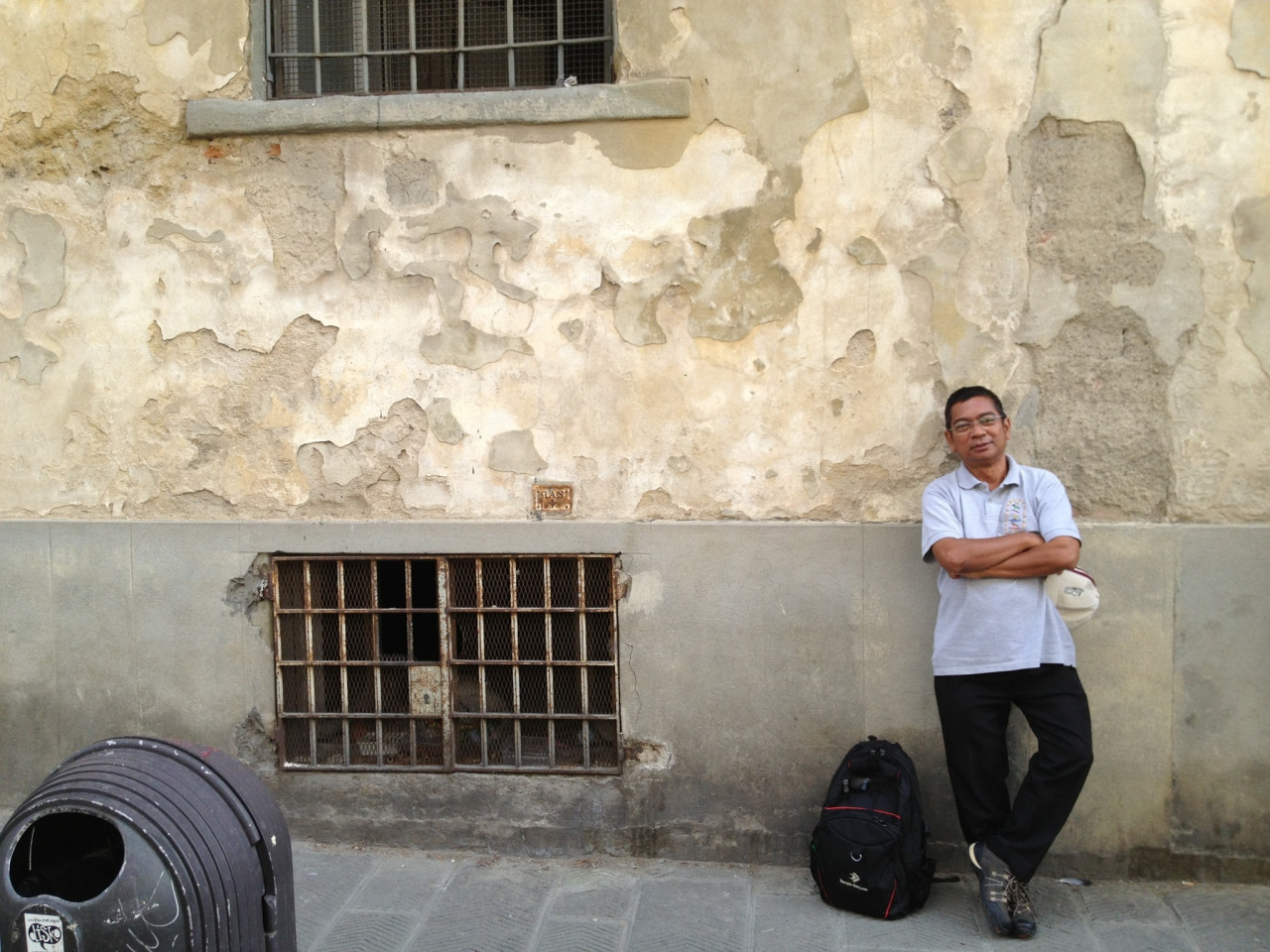
While the Melaka zone is significantly smaller than Penang, the issue is ensuring that the pace to conserve is maintained at all times, said Shaukani, who also advocated more efforts to promote the old rather than to dwell on modern attractions such as a Disneyland-like theme park.
Shaukani, who conducts tours around Melaka, as well as in Penang, said that there can greater effort placed on how to unlock touristy elements in the heritage areas, but it should not just be mass commercialisation.
"If there is excess, there is bound to be wastage. We need to conduct tourism in a refined and measured approach, so our heritage treasures remain."
The heritage zone in Malacca is at 45.3ha for its core and another 242.8ha for its buffer while in Penang, it is 109.38ha for its core and 150.04ha as its buffer.
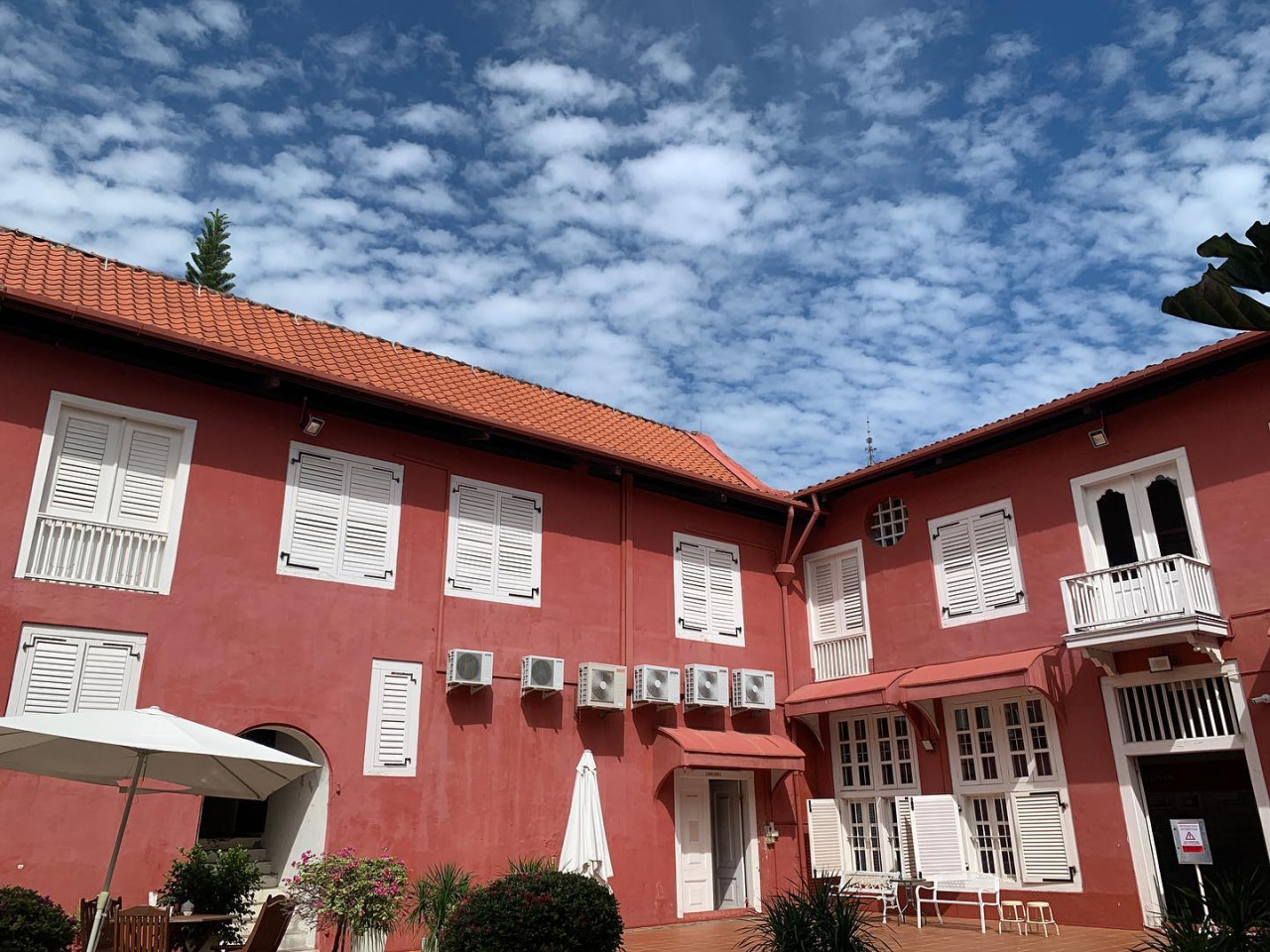
Penang Heritage Trust vice-president Khoo Salma Nasution said that the fight to protect heritage now extends beyond the core and buffer zones, saying that the surrounding tertiary area is becoming equally important.
For example, a scenic view from the core area would be diminished if the authorities allow a skyscraper to monstrously block such a view if it is erected in the tertiary areas – it erodes the value of heritage, she said.
Ultimately, Anil said that there is a need to strike that fine balance between the needs for development in the backdrop of maintaining the heritage status.
To achieve that, Rosli hopes civil society, the public and private sectors are all on the same page, stressing that the country has a unity government so likewise, the heritage sector should be united. – The Vibes, February 9, 2023.















.jpeg)
