

ELECTRIC cars are quickly becoming the norm with Covid-19 forcing change in more ways than we can imagine. Many nations around the world are accelerating their lower emission targets.
This is also persuading car manufacturers to rethink their future product lineup if they want to continue selling cars in these ‘progressive’ countries.
Earlier this year, even the big cubic capacity luxury carmaker Bentley announced plans to stop building their petrol powered cars by 2030. They say soon every luxury vehicle off their production line will be 100% electric with zero carbon exhaust emissions.
Adrian Hallmark, Bentley's chief executive, said, "We're going through a paradigm shift. Within a decade, Bentley will transform from a 100-year-old luxury car company to a new, sustainable, wholly ethical role model for luxury."
Volkswagen, the world's largest carmaker, is also investing billions of dollars in electric car production.
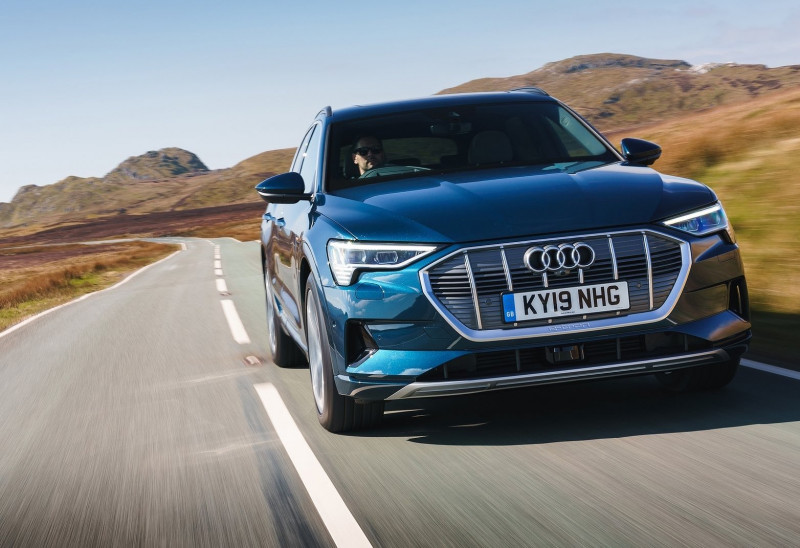
At the same time, many other popular automotive manufacturers have promised to go electric by 2030, including Volvo, Audi, Land Rover Jaguar and even Honda.
European Challenge
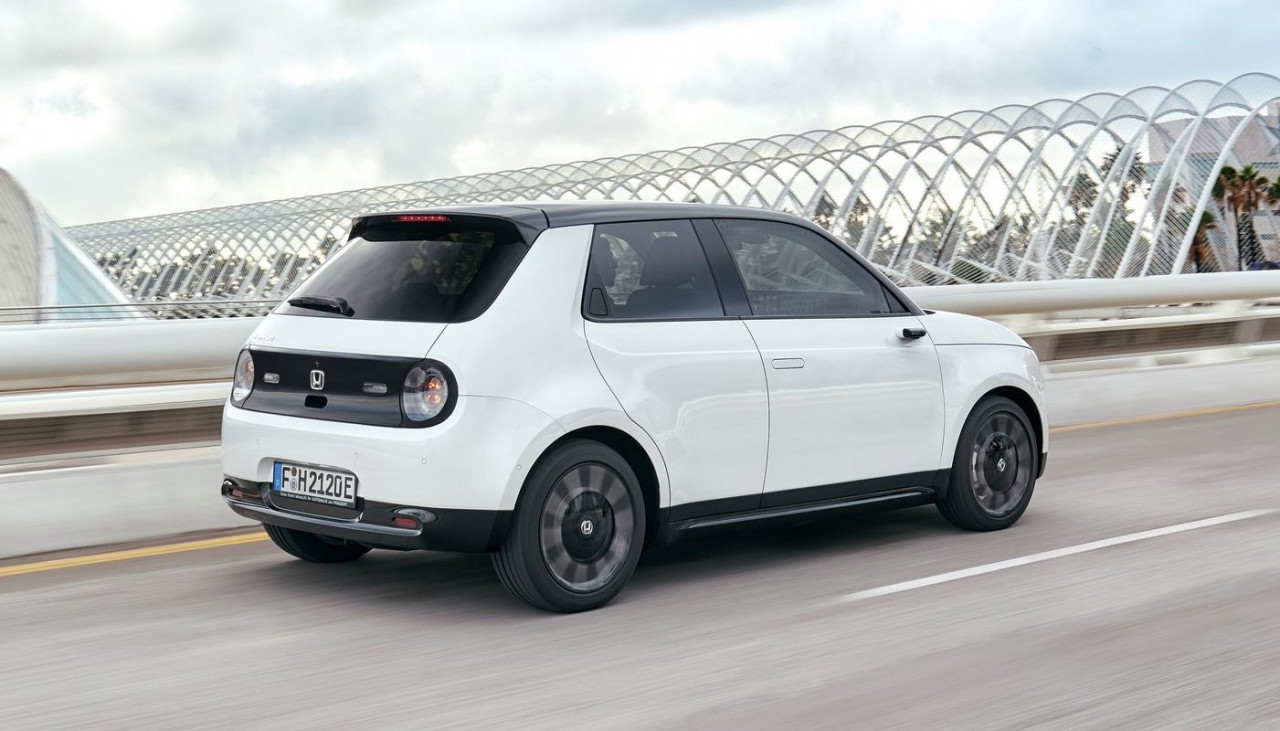
Europe's low-emission vehicle sales are growing fast and continued to increase through the coronavirus pandemic this year.
It is estimated that some 30 million zero emission vehicles (please note that plug-in hybrids (PHEV) are NOT zero emissions vehicles) will be needed to fulfill this requirement by 2030.
This is a huge number when you look at the data from the end of 2019 where some 1.8 million electric and plug-in hybrid vehicles were registered in Europe, according to the International Council on Clean Transportation and most of them were hybrids (PHEV) and not zero emission vehicles (EV).
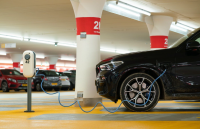
Meanwhile, automotive manufacturers have warned that a lack of infrastructure (EV charging) could hamper future sales of zero emission vehicles.
Public Charging
The European Union (EU) watchdog estimates that Europe alone will need 3 million public charging points and 1,000 hydrogen fuelling stations by 2030 and promises a "roll-out plan with funding opportunities and requirements" next year.
Europe currently has about 200,000 charging points.
Next year the EU will propose tighter CO2 emissions standards for cars and vans from 2025, and it could be expanded to cover buses.
ASEAN EV Roadmap
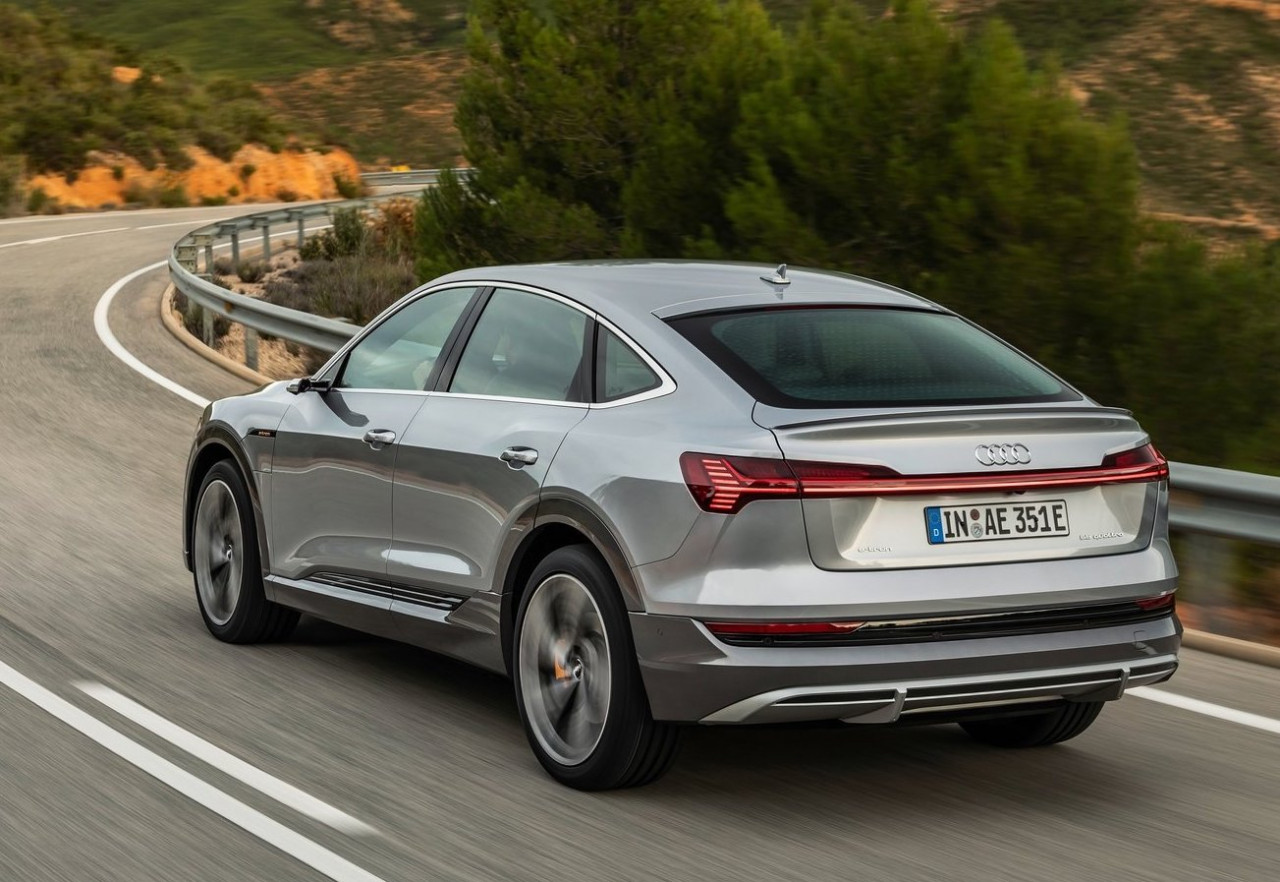
Here is where it comes interesting. Thailand and Indonesia are leading the change and not Malaysia.
While Malaysia just talks about an EV adoption target, Thailand has established a National Electric Vehicle Policy Committee (NEVPC) this year. The Thai EV roadmap wants to help the domestic car industry manufacture 1.2 million EV’s in 10 years.
The NEVPC’s roadmap is to make Thailand a major EV production hub in five years. The first phase of the plan, starting this 2020 is aimed at adding 60,000 to 110,000 EVs annually to their roads until 2022.
Indonesia has set an ambitious target of 20% of vehicle production to comprise electric and hybrid vehicles by 2025. This includes 20% of the targeted one million vehicles exports, rising to over 25% by 2030.
Covid-19 is halting this ambition.
Indonesia has vast amounts of cobalt, zinc, manganese, which are the raw materials for EV batteries. This has prompted Chinese and Korean EV battery manufacturers to start factories.
Brunei, which is the smallest Asean nation, launched ‘The Brunei Darussalam National Climate Change Policy’ (BNCCP) to pave the pathway towards Brunei's low carbon and climate-resilience for a sustainable nation.
The target is to increase the total share of electric vehicles to 60% of total annual vehicles sales in the next 15 years.
Malaysia?
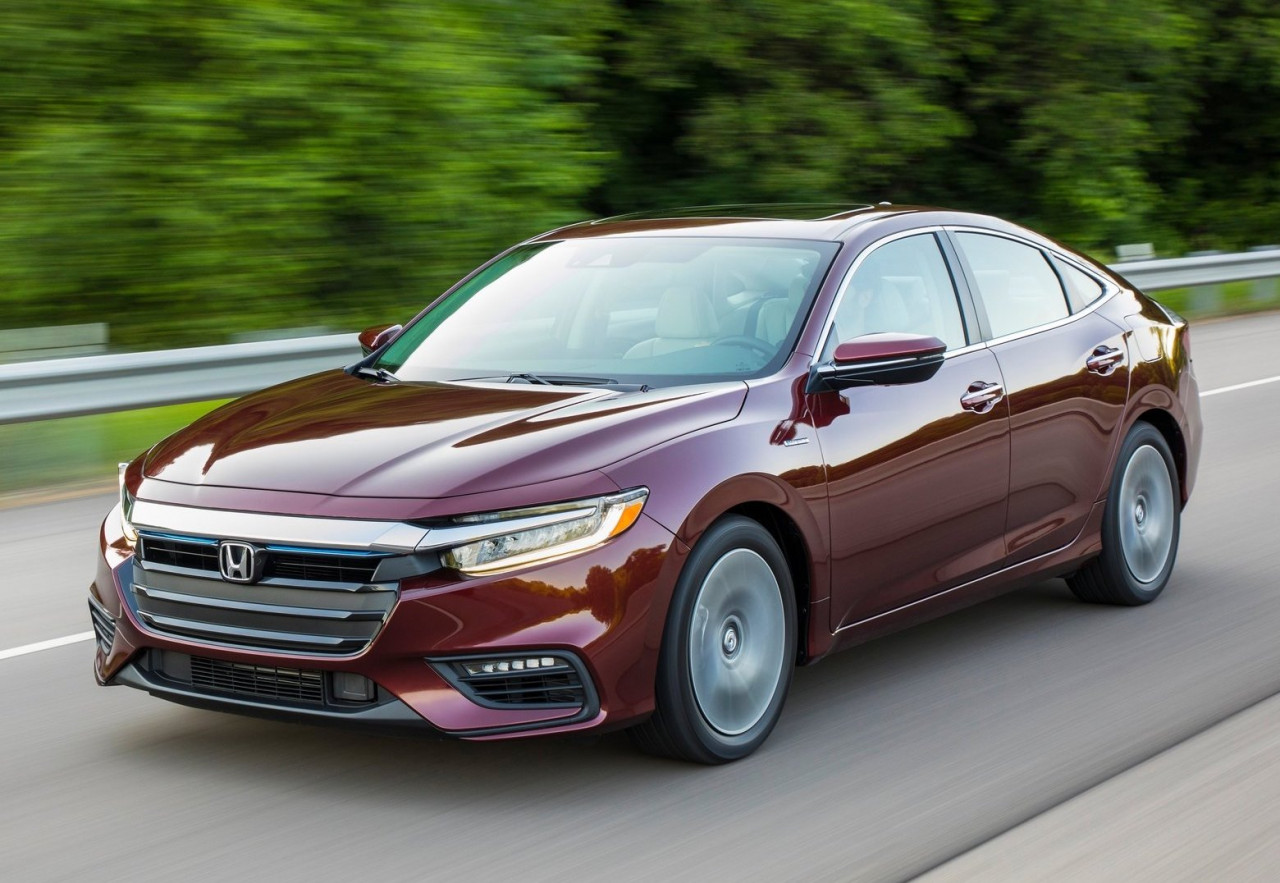
Malaysians are expected to make 131 million daily trips by car by 2030, up from 40 million in 2010 and Malaysia has one of the highest number of cars per person in Asean.
Sales of EV and PHEVs in Malaysia right now only happens in the luxury car segment and the total number is small.
The automotive agencies are only ‘talking’ about emissions, charging stations, new EV tax incentives and EV road tax fees. They are not working to make it happen year after year and this is why Tesla is setting up a factory in Singapore.
Hyundai is setting up a EV only factory in Singapore and the EV battery and parts manufacturers are investing heavily in Thailand and Indonesia.
Even new vehicles that cater to the middle class, like the Mitsubishi Outlander PHEV gets launched in Thailand and not Malaysia.
Ask the right questions and we get the round-about answers. Think clean air, think low emissions to start. – The Vibes, December 11, 2020
This article is powered by www.dsf.my. For more automotive updates, follow DSF.my on Facebook and Instagram.