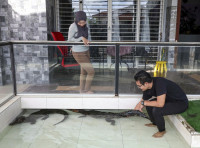

SANDAKAN – Erwandy Kalai threw his body onto a lazy chair and breathed a sigh of relief. He had spent about six hours washing more than 800 tanks that housed all his betta fish at his farm.
“It is the toughest part of being a betta fish breeder,” he said.
Betta fish, or Siamese fighting fish, must be placed in separate tanks, or they will fight each other to death.
For someone with more than 800 bettas, Erwandy needs to have an equal number of tanks to place all the fish. Hence, the water-changing part is a necessary “nightmare” that he must go through twice a week.
But the father to a four-year-old boy said despite the tough work, he does not regret letting go of his long-time career as a kickboxing and Muay Thai trainer to become a full-time betta fish breeder.

From a life throwing punches and flying kicks, he is now earning a comfortable income doing what he loves.
It all started last year, when his friends who kept betta as a hobby talked him into buying his first fish.
The 36-year-old’s interest grew deeper when he got his hands on the first pair of betta fish, which drove him to attempt breeding the fish.
It was a success, and he sold their offspring to his friends. He realised that there is more to rearing betta fish than keeping it within the four transparent glass walls.
Seeing the potential of the business, he continued to get more betta pairs for his breeding project, until one day, he decided to concentrate on the bettas. He made a sacrifice by selling his Perodua Kancil – the RM4,800 he raised was used to kick-start his ambition.
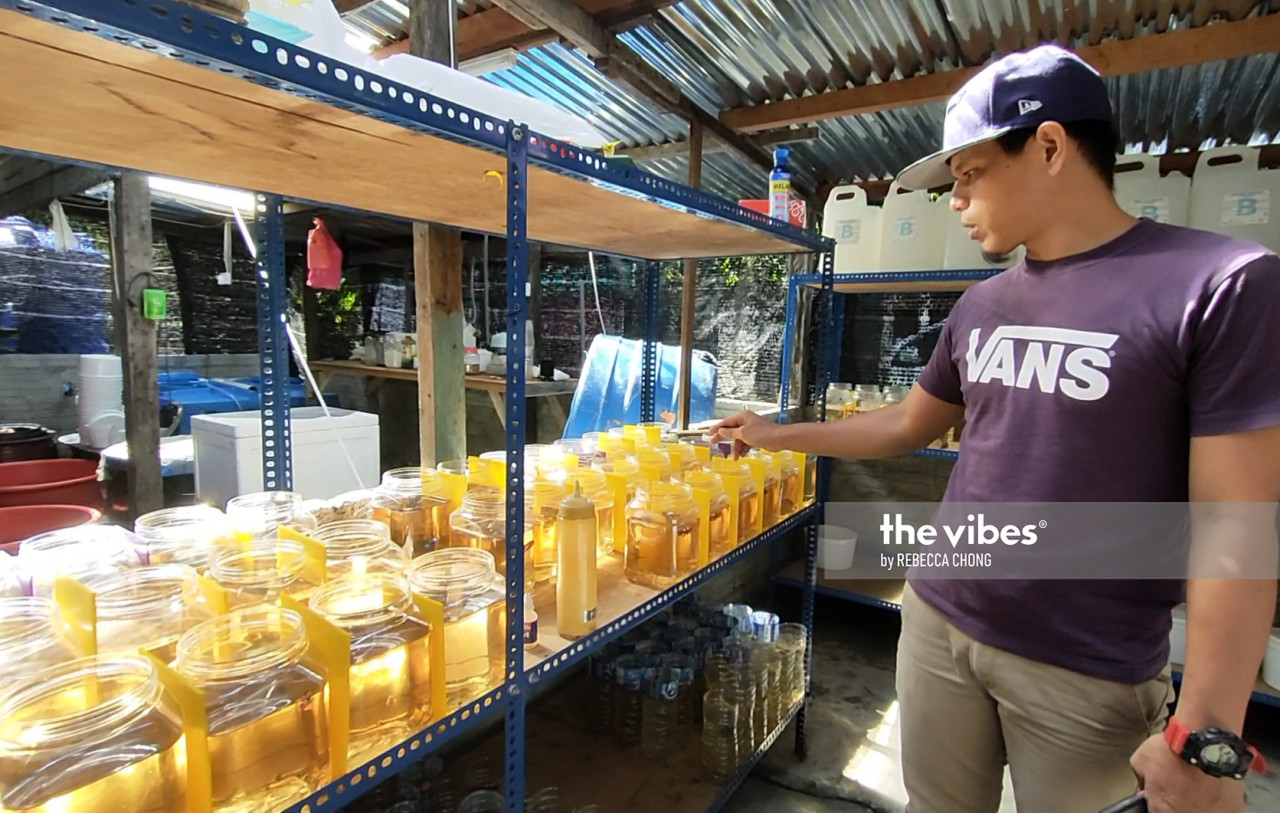
Erwandy, who was a champion of Elopura Fights International Muay Thai Championship in 2018, said his wife was unexpectedly supportive of his decision to switch careers.
Starting with a couple of bettas that he bought for RM70 last year, Erwandy is now making RM2,000 to RM5,000 a month.
“I have never regretted my decision,” he said.
Today, Erwandy is the sole recipient of a government aid under the Rubber Industry Smallholders Development Authority in Sandakan; and one of four in Sabah.
His sales saw an unexpected rise during the first movement control order (MCO) in March. He thinks it was due to people spending more time at home, thus picking up betta keeping as a new hobby.
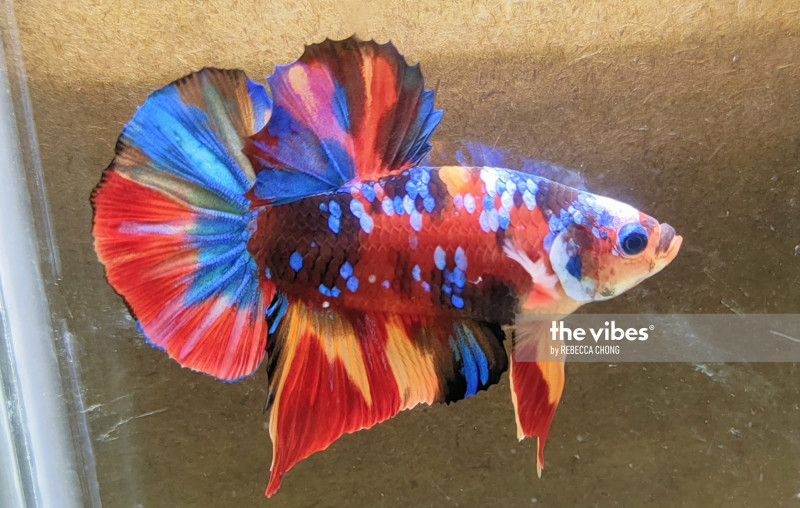
Betta fish is now one of the most popular pet fish. People are attracted by its vibrant colours, and its size; being thumb-sized make them a convenient choice because as pets, they don’t take up much space.
Believe it or not, a betta fish could cost thousands of ringgit. Of course, these are different from the ones we see being sold in pet stores.
Bettas in pet stores are supplied by betta breeders like Erwandy, but they would sell only what they think are the “pet grade” or “reject grade” fish.
They then keep the “show grade” and “competition grade” fish for the betta players, who would collect the higher quality fish for the most anticipated event among themselves – the betta fish competition.
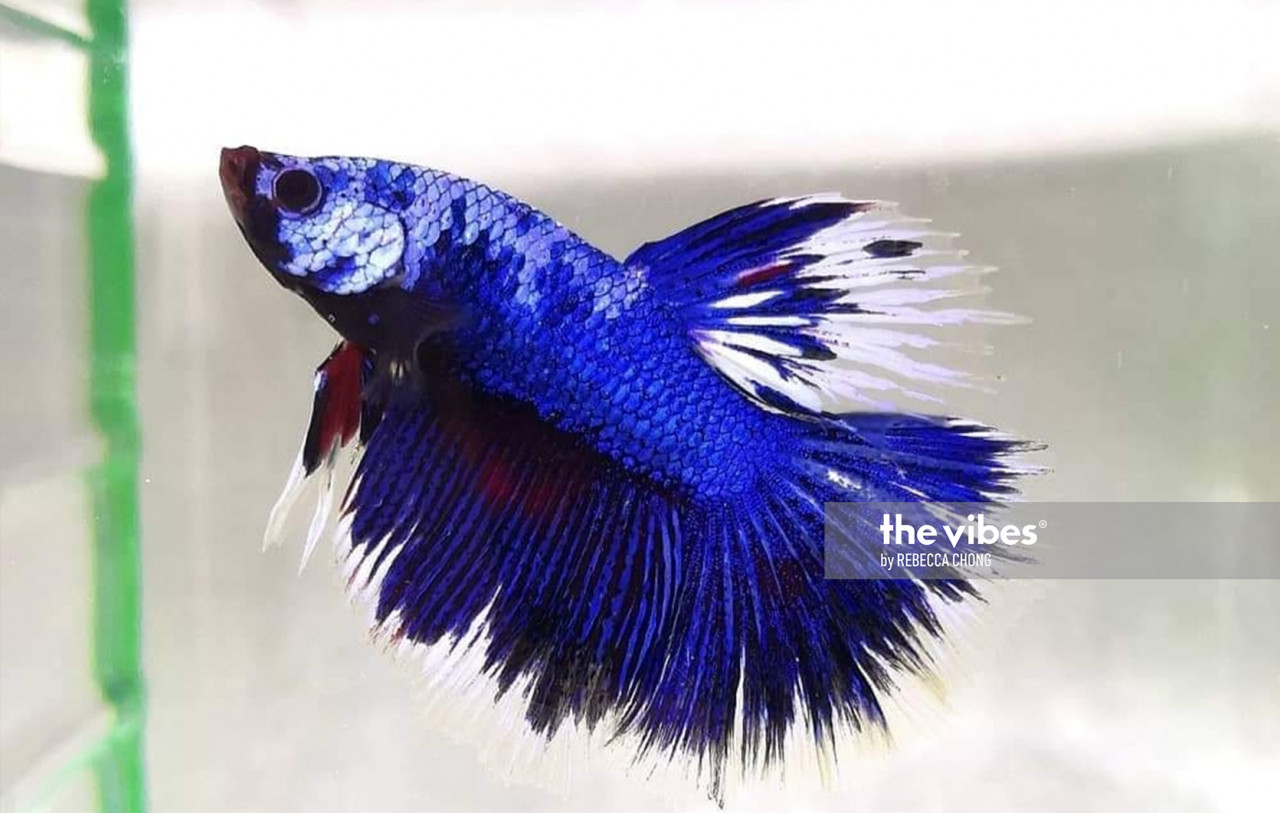
The betta players’ world
Betta players are willing to pay a high price for a high-quality betta, and they would even buy the fish from faraway places. Sabah betta breeders even have customers from Brunei.
However, what is the point of purchasing small yet expensive fish to be kept at home, when the fish’s lifespan is only up to five years?
According to Erwandy, for most betta players, the aim is to win the betta competition.
“They pay high prices to buy a competition grade fish – the highest quality betta is priced from RM180 and above. When they cannot find their desired fish from a nearby breeder, they would order it online,” he said.
Betta could survive up to three days upon being shipped to and from East and West Malaysia, or up to seven days when kept in bigger containers.
“Typically, my bettas are priced between RM40 and RM300. The most expensive I have sold is a female Giant Betta (a type of betta) for RM900. Betta lovers are paying for the quality of the fish,” he said.
The quality and value of a betta are determined by whether it could enter and eventually win a competition.
Since a competition determines the quality of the betta fish, the only obvious domino effect is its price. Hence, betta competition is what drives the business right now.
Betta fish competition
Although bettas are called the fighting fish, the competitions held in Malaysia is not about putting the fish together to fight to its death.
Over here, the competitions are all about "quality test", where betta players put out their best fish to vie for the Grand Champion title.
Taking part in a competition is the peak of a betta player's hobby and winning is a bonus.
Sabah saw its biggest betta competition in September, dubbed the Kalawon Betta Show Version 5, which saw more than 1,400 fish from across the state competing.
Like other betta competitions, the fish were placed in separate tanks, and displayed in racks. Appointed judges then went through each tank, with a flashlight in one hand, and a flare stick on the other.
A flare stick is a stick with a mirror attached at the end, and it is used to show the fish its own reflection. Fish flaring means the fish opens its fins and gills as a reaction to intimidation.
Fish that does not flare is considered a lower quality fish and is not fit to enter a competition.
Only fish that flares upon seeing other fish or its own reflection could have its fins’ shapes judged according to its category, which is divided by its type.
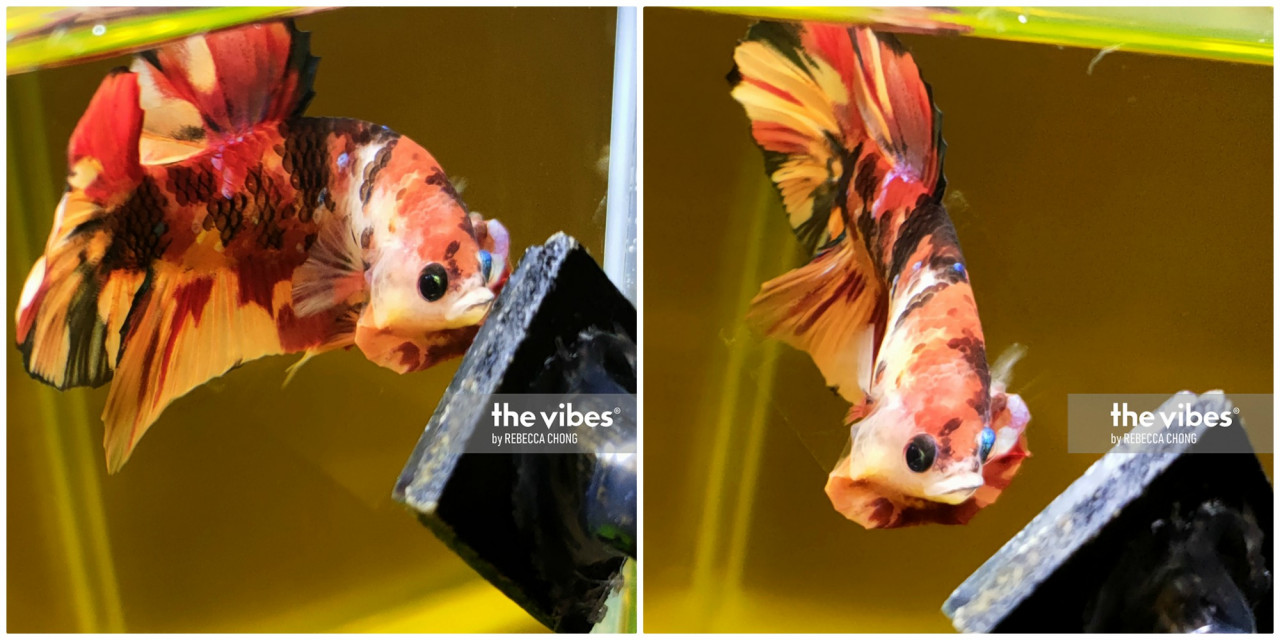
The competition saw a Candy Koi Giant Betta taking home the Grand Champion prize of RM2,888.
This kind of competition was held monthly in Sabah before the first MCO.
One of the judges for the competition, DK Joseph, said any good quality betta can enter a competition, if it fits the category.
He said there are cases in which a betta fish that is bought for RM5, was sold for RM500 right after it won one category of a competition.
“For many betta lovers, winning the prize money is secondary. Securing the winning title is how they can demand for a higher price for their fish. Apart from that, the winning betta owners' reputation would be boosted, thus attracting other betta hobbyists to buy from them.
“Also, there is no point to purchase such a small yet expensive fish if one is going to just keep it for display at home,” he said.
Kalawon, one of the most popular betta fish breeders in Sabah and organiser of the Kalawon Betta Show, said the most expensive fish that he had seen sold was an Avatar Betta fish, Grand Champion of the Betta Monsoon Cup competition in Terengganu priced at RM7,000 last year.
Kalawon, who is based in Keningau, said that betta fish competition is the reason why betta fish business in Sabah is alive.
“It is the climax of the hobby. A lot of people have also started to generate income from this hobby. I quit my job three years ago to focus on this business … it is a very promising line.
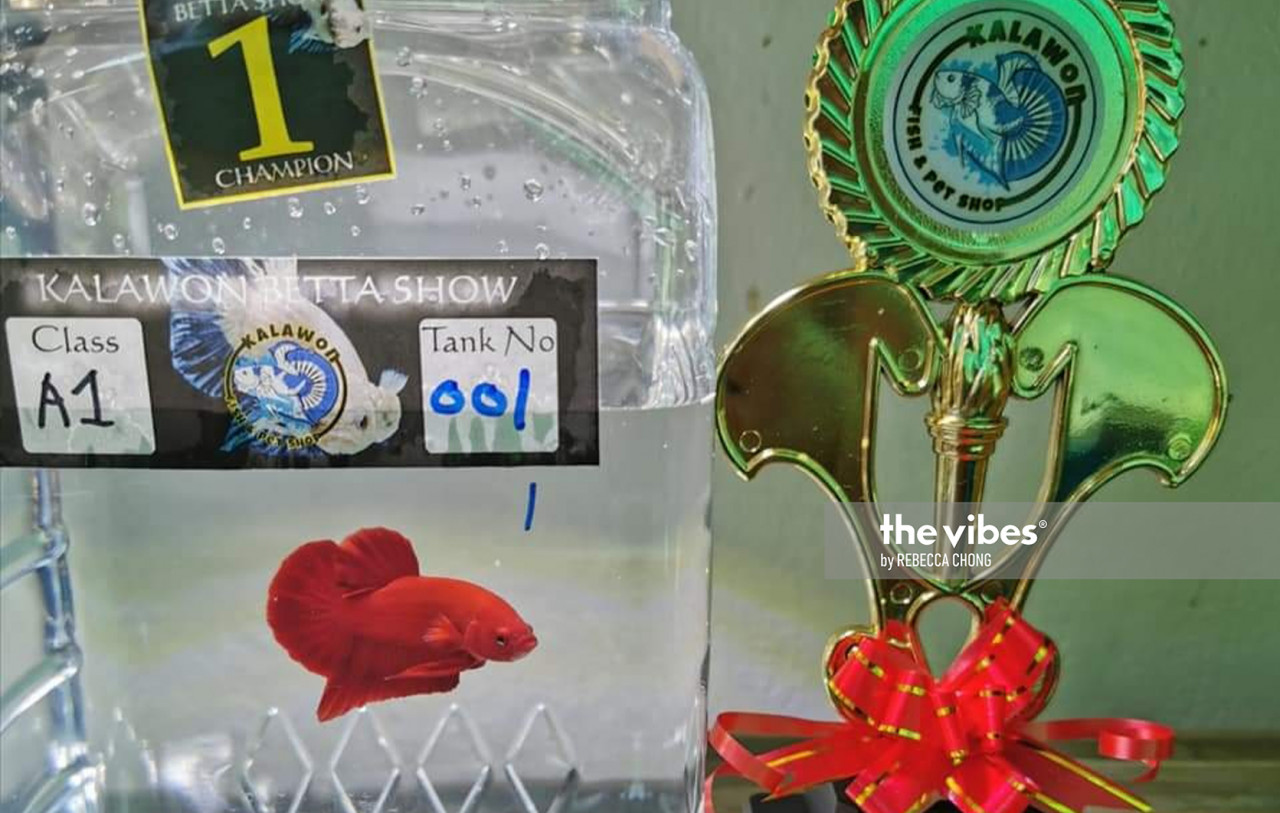
“I also see the increase from just three to five per cent of full-time betta breeders and sellers among the players, to about 10% now. This is a positive vibe for the betta business in Sabah,” he said.
As for its future in Sabah, the breeders have a role to play – produce more high-quality betta.
Kalawon said there is a possibility that the locally bred betta would be able to compete with other betta fish exporting-countries such as Indonesia and Thailand in a few years.
“Then eventually, Sabah would be able to also export our betta fish to European countries, which would boost the economy of the State.
“That is also why betta competitions are important; it’s not just to encourage the locals to breed better quality fish, but also to improve the quantity and quality of our fish,” he said. – The Vibes, December 13, 2020