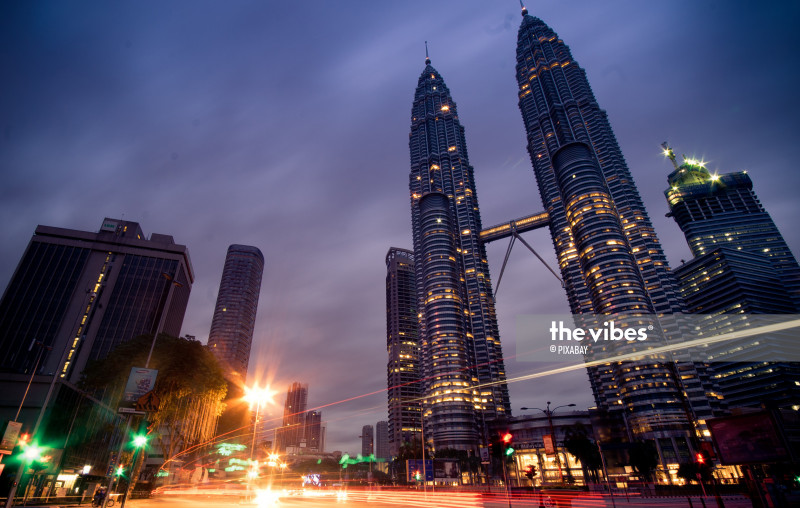

KUALA LUMPUR – Malaysia has ranked 62nd out of 189 countries in the latest Human Development Index (HDI), one better than last year, with a slightly better score of 0.810 – its highest to date.
This means Malaysia remains in the very-high human development category, the highest classification based on the United Nations Development Programme (UNDP) benchmark, according to the 2020 Human Development Report titled “The Next Frontier: Human Development and the Anthropocene”.
The report said Malaysia scored 0.810, compared with last year’s 0.805, adding that the improvement is primarily due to improved life expectancy among Malaysians and the gross national income (GNI) per capita.
Life expectancy in this year’s report averaged at 76.2, up from 76.0 previously, while GNI per capita improved from a purchasing power parity (PPP) of US$27,227 (RM110,310) in the previous cycle to US$27,534 this year.
“Between 1990 and 2019, Malaysia’s HDI value increased from 0.643 to 0.810, an increase of 26%. For the same period, life expectancy at birth for Malaysians increased by 5.3 years.
“Mean years of schooling increased by 3.8 years, expected years of schooling increased by 3.9 years and GNI per capita increased by about 177.3% during the same period,” the report said.
The score was calculated based on last year’s data and did not consider the impact of Covid-19, with data reflecting changes caused by the pandemic to only be available in next year’s report.
While this is impressive, the country dropped two tiers from the overall four, to the medium human development category, if taking into account an experimental Planetary-Pressures Adjusted HDI (PHDI) introduced for the first time this year.
This adjusted index takes into account pressures put by a specific country on the planet through human activity, namely carbon dioxide emissions and its material footprint.
However, it is worth noting that most countries in the same category as Malaysia will also drop in ranking if similar adjustments are made based on the PHDI.
The report said no country in the world has yet achieved very high human development without putting immense strain on the planet.
According to UNDP Malaysia, Singapore and Brunei resident representative Niloy Banerjee, while the experimental index is still a very crude measure, it is an interesting finding and stark reminder of the impact humans have had on the planet.
“As soon as we adjusted the planetary load by adding the two parameters – carbon dioxide emissions and its material footprint – countries high in the index dropped so much in ranking.
“We know it will happen, but when we see it in hard numbers, it is quite stark. Malaysia actually dropped from very high to medium human development category, down two places,” he said in his welcoming remark during the launch of the report today. – The Vibes, December 16, 2020











.jpeg)