LAWYERS acting for environmental conservancy groups and ethnic communities have urged the Sarawak government to come clean about the proposed cascading dam projects that could affect indigenous people.
They said the state should stop letting filtered information trickle down.
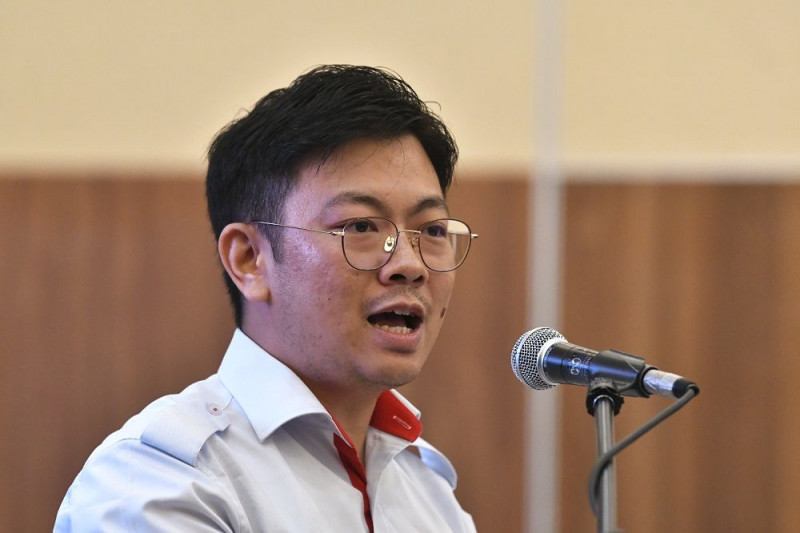
Simon Siah, a lawyer in civil society organisation Lawyer Kamek for Change (LK4C), said the government should not be secretive and make it difficult to obtain information about the projects as they did during the construction of previous large hydroelectric dams in Batang Ai, Bakun, and Murum.
Simon said what had happened in the past was causing ethnic communities to have no faith in the latest dam projects.
“If there is nothing to hide, then provide all the information the affected communities have demanded,” he said, calling on the state government to fully practice the principle of free, prior, and informed consent (FPIC).
FPIC is a fundamental right of indigenous people and local communities to give or withhold consent to projects that may affect their land, territories, and resources.
FPIC is recognised in international laws such as the United Nations Declaration on the Rights of Indigenous Peoples and the International Labour Organisation Convention 169.
Sarawak has proposed the construction of three cascading dams: one at Sungai Gaat in Kapit, one at Sungai Tutoh in Baram, and the last one at Sungai Belaga in Belaga.
Simon said not many people in the Tutoh area, for example, had information on how it was going to happen.
“Who is going to implement it? How is it going to affect the community?
“We are talking about the livelihood of the community because their livelihood depends on the river.
“If the community that is most affected don’t know, then disputes will arise.”
Simon said LK4C would embark on a campaign to educate the indigenous communities on their right to demand information.
Peter Kallang, chairman of the Sarawak conservancy group Save Rivers, said the state government had behaved ridiculously during construction of the previous dams.
He said the government only consulted the community leaders: the ketua kampungs, penghulus, and local councillors.
“These people, they are not the only ones who own land there (in the affected area). They are not the only ones who own houses there,” Kallang said.
“If the government destroys the forest to build the dam, everybody in the community will be affected. What the government should do is consult everyone."
Peter said the government should also make it easy for people to understand how the project would affect them.
“Show them the map where the areas are going to be flooded, and what will be destroyed.
“They have to show everything. That is what free, prior, and informed consent meant.
“How can they be informed when they don’t know anything, like what happened to the people who are affected by the Bakun dam,” he added. – August 8, 2024.
.jpg)