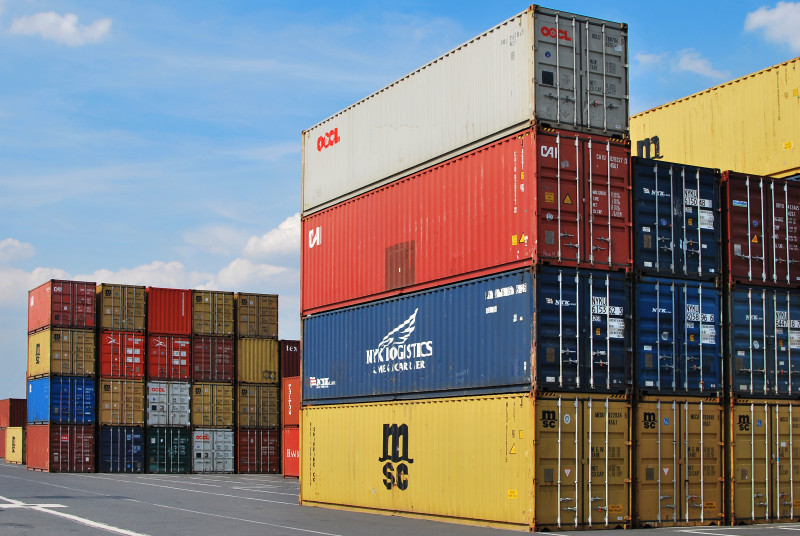

TRADERS in Sabah have shelved plans to raise prices of imported goods after shipping companies deferred a proposed port congestion surcharge.
The fee was initially slated to offset prolonged layovers at Sepanggar Bay Container Port, the state’s primary logistics hub.
The decision followed a last-minute intervention by local authorities to alleviate congestion at the port.
Shipping companies had notified traders in July of the impending surcharge, which could have significantly increased shipping costs.
The potential surcharge posed a serious economic threat to the state, with over 70% of Sabah’s imported goods passing through Sepanggar Port.
One major shipping company, the Malaysia Shipping Corporation, had proposed doubling its fees for certificates of conformity and shipper-owned container charges to RM500 for a 20-foot container and RM1,000 for a 40-foot container.
Traders warned that such increases would drive up the cost of imports, which would inevitably be passed on to consumers.
Sabah heavily relies on imports due to limited local production and industrial capacity, making it dependent on external sources for goods, especially food and consumer products.
Imports dominate the domestic market in Sabah, contributing to a significant portion of the state’s supply chain.
Sabah Federation of Malaysian Manufacturers president James Ha Haw Yew confirmed that the surcharge had not been implemented, offering temporary relief to businesses. However, James expressed concerns about the sustainability of the current situation.
“The new fees have not taken effect, and congestion has improved, but there are still minor issues,” he said.
James said the temporary solutions in place did not address the broader infrastructure and chokepoint problems.
Ship layovers at Sepanggar Bay Container Port have stretched to as long as 13 days compared to the usual five-day turnaround since April.
James emphasised that with peak shipping traffic approaching later in the year, the situation could worsen unless underlying bottlenecks were resolved.
Infrastructure limitations, such as having only two operational wharves at Sepanggar Bay, have contributed to these delays.
High demurrage fees and rerouting of ships to Port Klang have further compounded logistics costs, which in Sabah are already three times higher than in Peninsular Malaysia.
In mid-July, the Sabah Logistics Council convened to address the congestion crisis. Among the measures taken was the diversion of some shipping activities to Kota Kinabalu Port, which has eight berths compared to Sepanggar’s four.
Roll-on/roll-off (RoRo) ferry operations were also relocated as part of temporary relief efforts.
Suria Capital Holdings Bhd, which manages Sabah’s ports, identified temporary sites to increase storage capacity, including a 2.5ha plot at Tanjung Lipat in Likas for RoRo operations.
Logistics experts warned that these steps were temporary fixes.
“At the peak of the congestion, seven to eight ships were waiting to berth. Now, there are only three, but if turnaround times continue to stretch to two weeks, more ships will queue,” said a logistics expert who requested anonymity.
“This problem requires better infrastructure, design improvements, and substantial investment.”
The exclusive control of a berth at Sepanggar Bay Container Port by industrial giant Kibing Group further contributed to the complexity of the problem.
The arrangement has strained port operations, with only two of four berths currently functional and one berth out of service due to a breakdown.
Kibing Group has invested over RM7 billion in Sabah to facilitate the export of solar glass from its Kota Kinabalu Industrial Park facility. The company exports up to 50 containers of solar glass daily, with plans to double this number as new production lines emerge.
“Kibing’s operations are critical, and the port needs to accommodate them. Otherwise, Kibing may push for its own port, which would create even more challenges for the region,” the logistics expert said.
“If consumer goods are affected by these delays, it’s due to a lack of investment and infrastructure planning.” – August 22, 2024.