
MORE than 60% of low-income households in Penang are unable to save any portion of their monthly income due to the Covid-19 pandemic and its rising living costs, a report commissioned by both the state government and Unicef revealed.
Despite the state registering impressive growth numbers – including record-high foreign direct investments – since emerging from the pandemic in 2022, many families there continued to live on the edge, the report said.
The trend continued due to wage levels that did not commensurate with current living standards, it added.
Heads of households aged 40-54 faced a 53% higher chance of unemployment, which increased to 87% for those aged 55-64.
Another significant finding was that eggs had replaced meat as the primary protein source with a 47% decline in meat consumption.
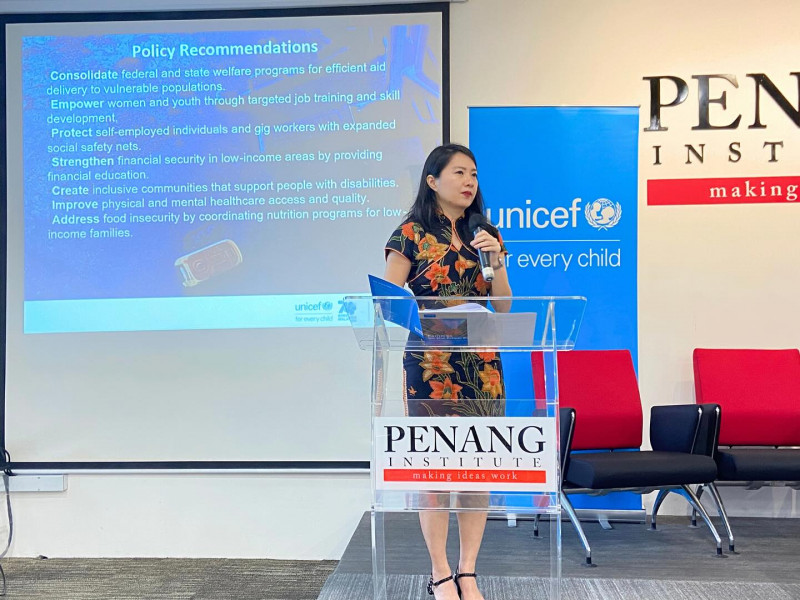
Conducted by public think tank Penang Institute under its history and regional studies programme headed by Beh May Ting, the report surveyed a total of 632 low-income households across all five districts in Penang followed by interviews and group discussions with residents in PPR Sungai Pinang, PPR Taman Manggis, PPR Mak Mandin, and PPR Desa Wawasan.
Both Beh and senior analyst Yeong Pey Jung presented their findings to Penang Deputy Chief Minister II Jagdeep Singh Deo, who had called for proactive solutions to address the plight of newly impoverished families.
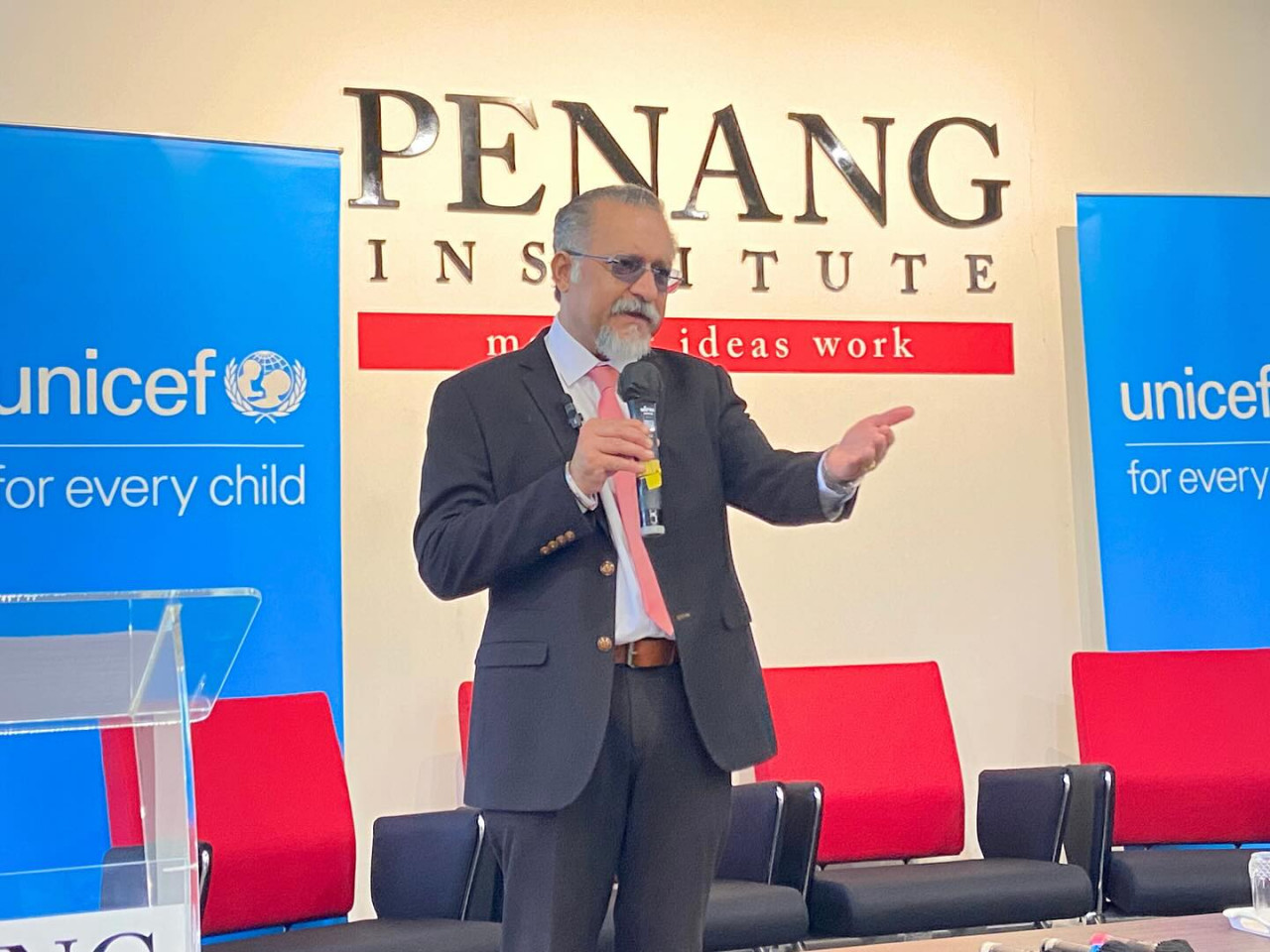
Also in attendance were Penang Social Development, Welfare and Non-Islamic Religious Affairs committee chairman Lim Siew Khim, Bukit Tengah assemblyman Gooi Hsiao Leung, and Penang Island City Council mayor Datuk A. Rajendran, as well as the institute’s executive director Datuk Ooi Kee Beng.
Unicef was represented by Robert Gass, chief of social policy Juanita Vasquez, and social policy officer Muhammad Farqani Mohd Noor.
Earlier, Lim, who is also the Sungai Pinang assemblyman, said Penang was committed towards supporting low-income families while ensuring equitable income for all.
“We place families as the cornerstone of our society, and safeguarding their welfare and well-being has always been a priority for the current administration. During the pandemic, the state government, along with the federal government, provided financial assistance to families and businesses in need.
“We need to go beyond short-term relief and create policies that support long-term stability for low-income families. By empowering these families with the tools and resources they need, we can break the cycle of poverty and build a stronger, more resilient community,” Lim said.
Gooi called for more synergy to take place between the state and federal agencies to combat the poverty cycle.
The comprehensive report can be sourced online at https://www.unicef.org/malaysia/reports/families-edge-penang. – August 28, 2024.



.jpeg)