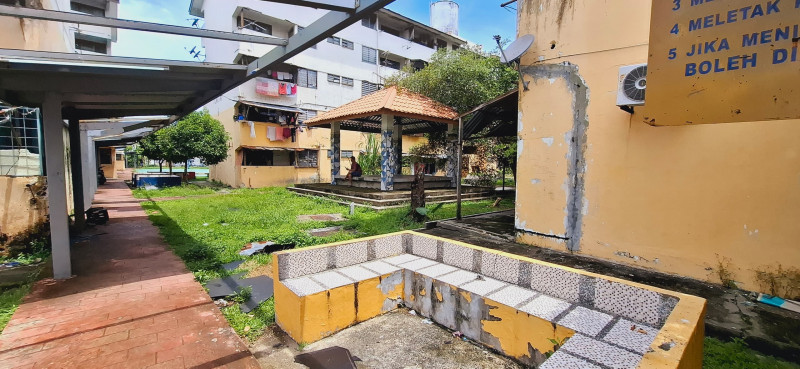

RESIDENTS of the Tanjung Aru low-cost flats have come to terms with their eviction after resisting it since 2021.
They are now pleading for a final extension until at least March next year before moving out.
Around 80 remaining tenants, some of whom have lived in the flats for over 50 years, are hoping the state will provide alternative housing.
The 11-block complex, built by the Sabah Housing and Urban Development Board (LPPB) in the 1980s, has been a long-standing housing aid for the community.
However, LPPB plans to redevelop the area and issued a final notice last Friday, asking residents to vacate by September 30 or face forced eviction.
In a last-ditch effort on Sunday, the tenants approached Putatan MP Datuk Shahelmy Yahya, urging him to request an extension from LPPB.
“They made four requests: an extension to stay until March 31, 2025, to coincide with the school calendar; clarification from the housing board on who qualifies for alternative housing; a dedicated application process for PPR housing aid in Kionsom; and maintenance work for safety and cleanliness while they remain in the flats,” Shahelmy said when contacted.
He added that LPPB indicated they would attempt to accommodate the requests.
Shahelmy also noted that the tenants have agreed to relocate once they are given alternative units and urged them to start the process of moving out.
When the eviction process began in 2021, LPPB offered alternative housing in Menggatal to a select number of the over 300 residents.
However, some refused due to concerns about crime and instead requested housing in Taman Serigai, Putatan, or Kibabaig, Penampang.
A handful of tenants accepted the offer and have since moved out.
Over time, the number of tenants has dwindled to just over 80.
It remains unclear how LPPB screened applicants, though one of the board’s key terms is that tenants can only stay in the rental units for 10 years before applying for an extension.
Many residents have already exceeded their allowed stay.
One resident, Kong, said his application may have been rejected due to the declared household income.
The 53-year-old odd job worker had used his wife’s income—over RM3,000 from her job as an IT worker—but has not been offered any alternative housing.
He believes this is over the income threshold to be eligible for public housing aid.
“I used my wife’s details because I don’t have a steady income. I lost my job during Covid-19, and since the economy reopened, I’ve been helping a friend deliver cakes part-time,” he explained.
Kong's wife left him a year ago, returning to her parents in Penang with their three children after financial difficulties led to constant quarrels. He has lived alone since then.
“I’ve applied for an alternative unit in the hope of bringing my wife and children back. I’m not as lucky or well-connected as how I saw some of my neighbours are,” he said when raising his suspicion of cronyism or nepotism on the matter.
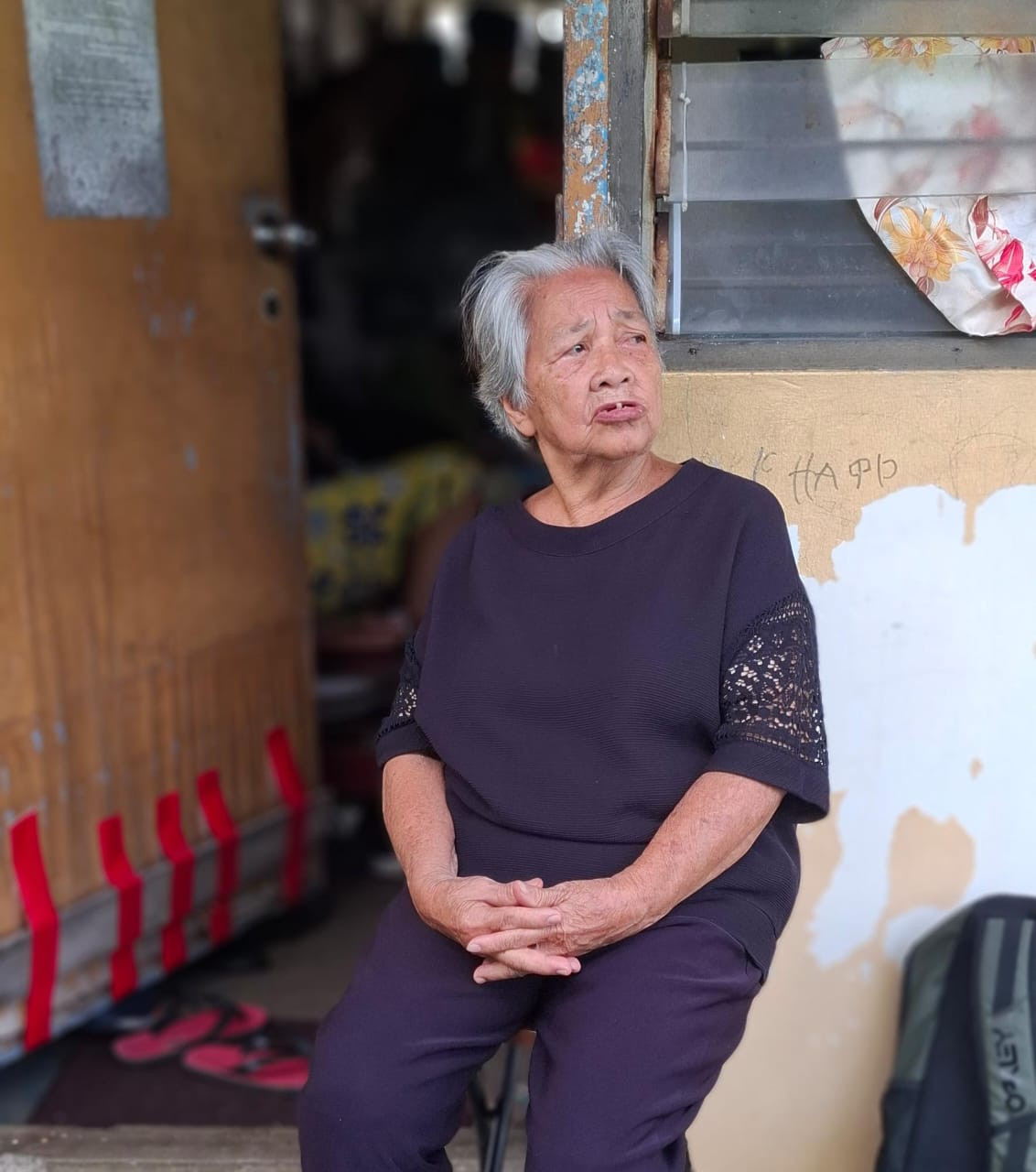
Meanwhile, 86-year-old Tui Gindung is pinning her hopes on receiving a unit through the Ministry of Local Government and Housing after declining one she felt was too far away.
Tui has lived in the barely 700 square-foot, two-bedroom flat with her three adult children and four grandchildren.
One of her daughters, who is in her 50s, is disabled, while one son works in a restaurant, and another is unemployed after the restaurant he worked at closed down.
All eight of them have been living in cramped conditions for decades.
When asked how she managed to pay the RM170 monthly rent, Tui said one of her daughters, who lives with her family elsewhere, has been helping with the expenses.
“We’re waiting for a favourable reply from the ministry. This is our only hope,” she said. – October 1, 2024