
REFORMS will be carried out on the country's subsidy systems for education, healthcare and fuel, with Putrajaya aiming to ensure these benefits will be effectively given to those who need them the most, particularly the low and middle-income groups.
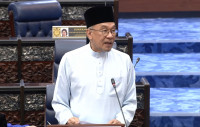
Prime Minister Datuk Seri Anwar Ibrahim, in tabling the 2025 National Budget, noted the importance of redirecting subsidies that currently benefit wealthier individuals and foreign nationals, including tourists.
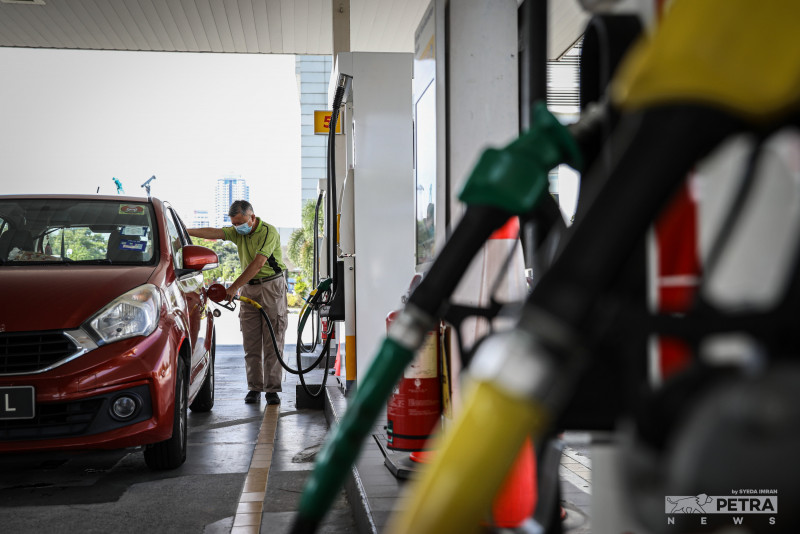
Anwar highlighted that 40% of Malaysia's fuel subsidies for RON95 petrol, worth RM8 billion, are being consumed by the wealthiest 15% of Malaysians and foreign nationals.
The government plans to restructure this to prevent wastage and ensure the funds are used for more critical public services, he said.
“The fact remains that foreign nationals and the wealthiest 15% of consumers are enjoying 40% of the RON95 petrol subsidy, valued at RM8 billion. This RM8 billion is better directed toward improving public services such as education, healthcare, and transportation,” said Anwar in parliament today.
He noted that the fuel subsidy reform will be carried out in the middle of next year.
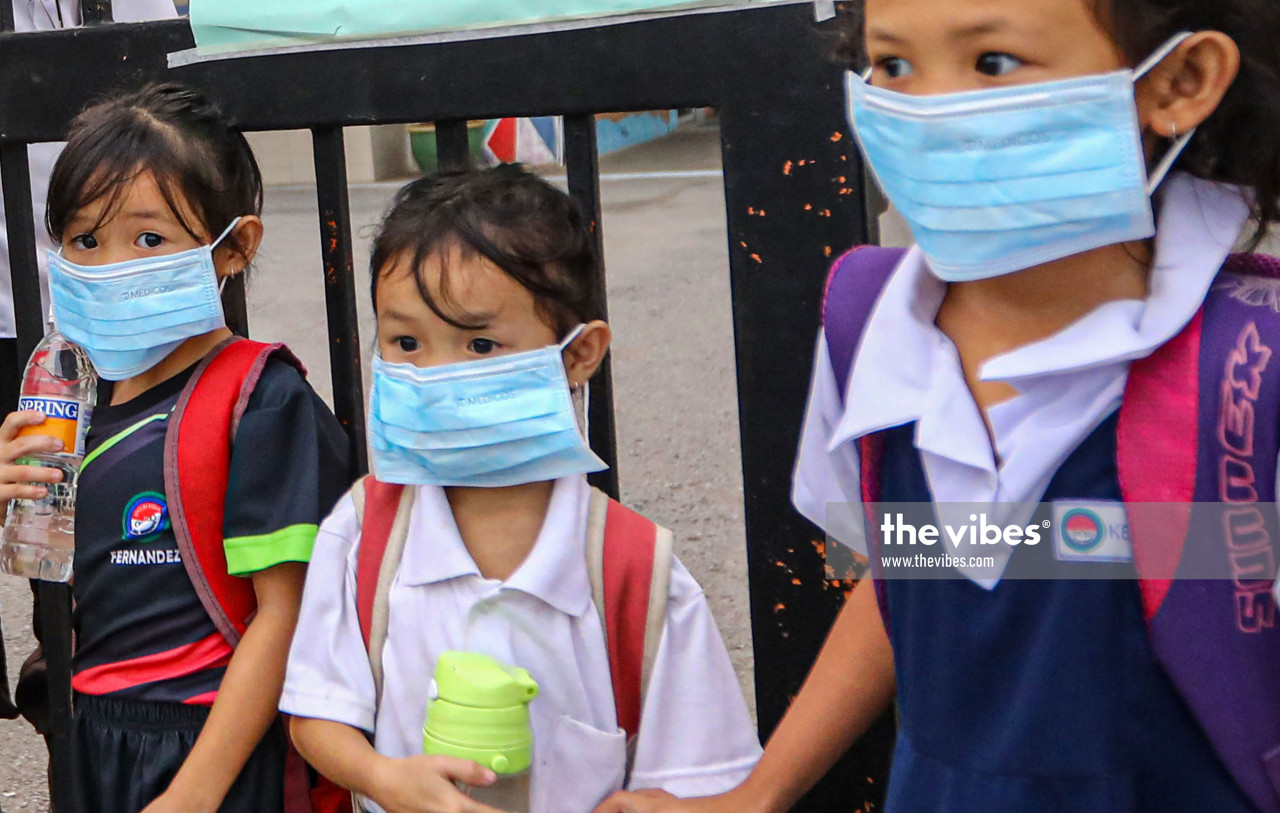
On education, Anwar noted that a significant percentage of students in fully residential schools (SBP) come from affluent families.
“The original goal of establishing fully residential schools (SBP) was to help outstanding students from poor and rural families gain access to the best education.
"The subsidy for one SBP student reaches RM15,000 per year. However, recent data shows that 30% of these students come from high-income families,” he said.
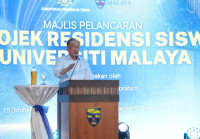
The government intends to gradually reduce education subsidies for the top 15% income group, with savings redirected to improving infrastructure in SBP schools and public universities.
“If subsidies for education are gradually reduced for the top 15% income group, the savings collected can be used to upgrade facilities at SBP and public universities, benefiting all students,” Anwar added.
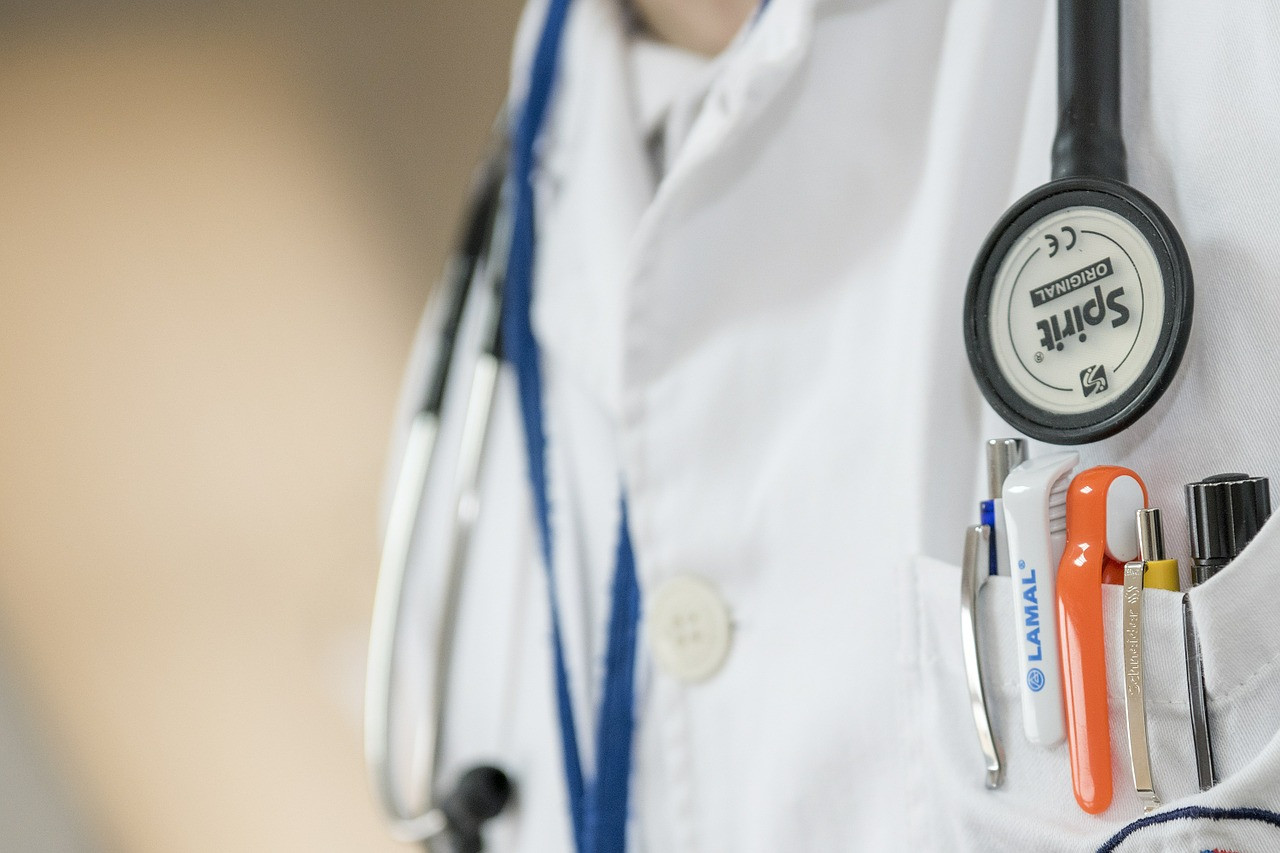
A similar approach will be done in the healthcare subsidies, where high-income individuals will be required to contribute more towards public healthcare services.
This move is expected to generate savings that can be used to provide better medical devices for poorer patients and to upgrade equipment in government hospitals and clinics.
“High-income individuals should contribute more towards improving healthcare services in government hospitals.
"The savings can then be used to fund medical devices for poorer patients and to upgrade equipment in public hospitals and clinics,” Anwar explained.
These subsidy reforms are part of the government’s broader effort to manage fiscal responsibility, ensuring that public funds are directed towards initiatives that benefit most Malaysians, particularly those in need while reducing benefits for wealthier individuals and foreign nationals. - October 18, 2024