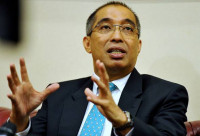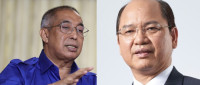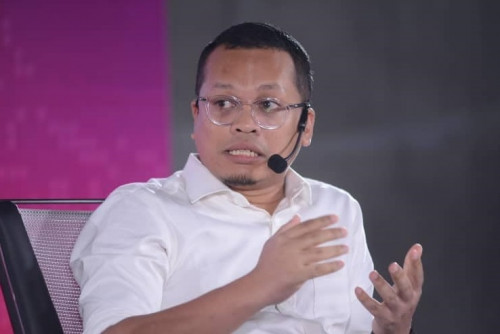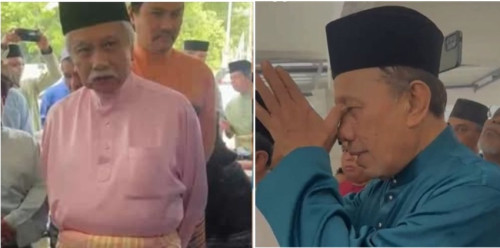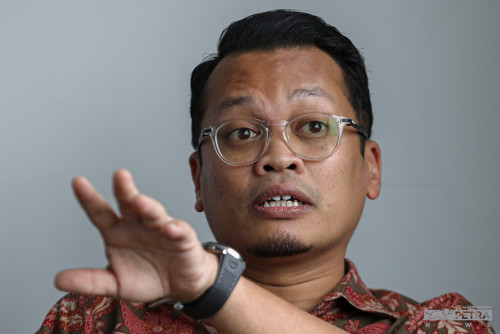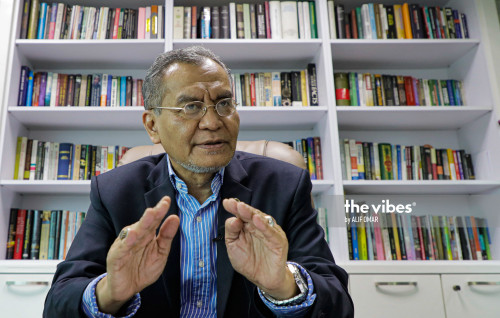
SABAH opposition leader Datuk Seri Mohd Shafie Apdal today accused the Gabungan Rakyat Sabah (GRS) and Pakatan Harapan (PH) coalitions of poor governance, resulting in stalled development projects and mismanagement of state finances.
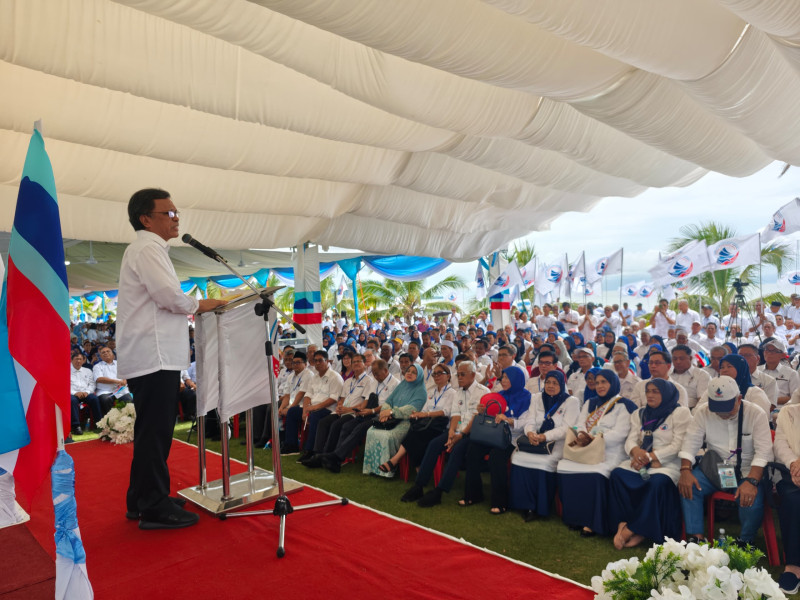
Speaking at Warisan’s Annual General Meeting in Tawau, Shafie highlighted the state’s poor utilisation of federal allocations under Rolling Plan 3 (RP3) and Rolling Plan 4 (RP4).
“Under RP3 (2023), JKR Sabah was allocated RM235 million for 128 projects, but only RM20 million – just 8.6% – was spent,” he said.
“For RP4 (2024), 181 projects were planned with RM300 million allocated, but only RM25 million – a mere 7.6% – has been utilised.”
He cited figures from parliamentary responses and Hansard to back his claims.
Shafie also slammed the Department of Drainage and Irrigation Sabah (JPS Sabah), which was allocated RM2.4 million for two projects in 2023 but failed to implement any.
“JPS achieved nothing, with 0% implementation. This is unacceptable,” he said.
Beyond federal funds, Shafie criticised the state’s handling of Sabah’s revenue, noting that billions were spent on real estate ventures outside the state, including in Kuala Lumpur, Selangor, and Johor.
“Sabah has money, but instead of using it for local development, it was wasted on failed projects elsewhere,” he said.
Funds used outside the state
Shafie said such mismanagement had left entities such as the Sabah Development Bank burdened with RM8 billion in non-performing loans, adding that GRS also further complicated the state's financial situation by increasing its debts.
He cited the instance that the state-owned SMJ Energy had to borrow to acquire the once debt-ridden oil firm, Sabah International Petroleum from Sabah Development Bank.
“While our roads, schools, and infrastructure remain neglected, our funds were used outside the state,” he added.
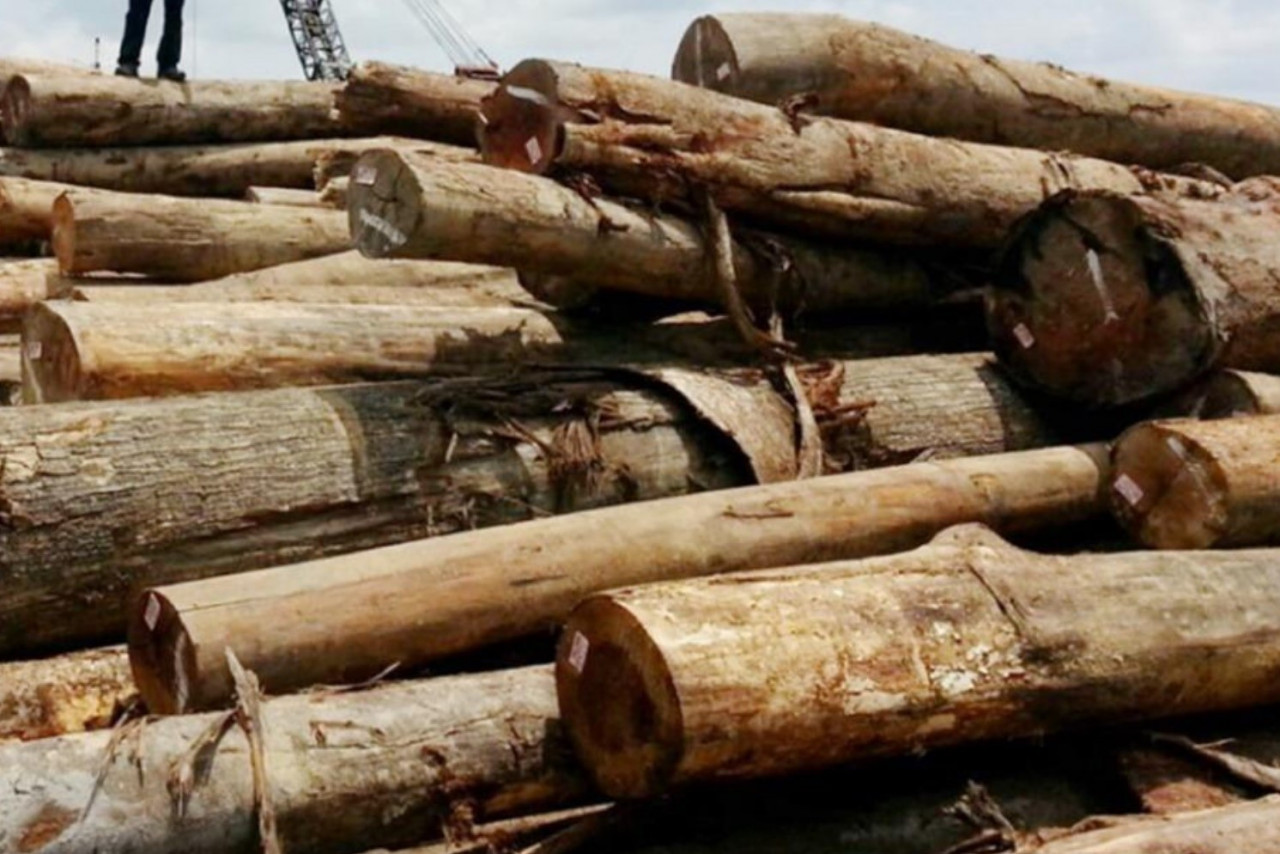
On Sabah’s timber industry, Shafie highlighted long-standing inefficiencies under the Forest Management Unit (FMU) programme.
“Since 1996, hundreds of thousands of hectares were approved for timber plantations, but instead of timber, oil palm was planted,” he said.
“From 1996 until today, Sabah has only received RM35 million from one company for timber revenue. Imagine the potential we lost.”
He accused local leaders of shifting blame to the federal government instead of addressing internal administrative failures.
“We have resources like timber, oil, and land. The issue isn’t federal interference; it’s the failure of our own leaders to manage these assets,” he said.
Shafie urged GRS and PH leaders to focus on accountability and transparency instead of deflecting responsibility.
“Sabahans deserve better. The real problem lies within,” he said.
In Parliament on November 18, Minister in the Prime Minister’s Department (Federal Territories) Dr. Zaliha Mustafa revealed Sabah and Sarawak’s low spending performance under RP4 of the 12th Malaysia Plan.
She said Sabah, which has the highest number of projects with 1,244 programs where the state has been allocated RM6.67 billion for development in this year’s national budget.
Long-standing issues unresolved
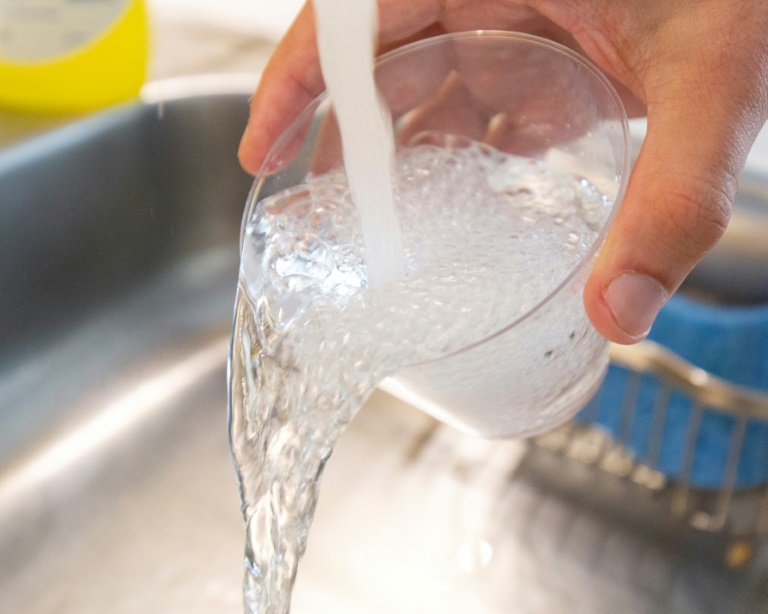
Sabah has faced long-standing water, electricity, and road issues, identified as “legacy issues” by the state government.
Federal funds often remain unspent due to delays in project approvals, poor coordination, and slow land or utility processes.
Efforts by the state to establish a special trust fund to retain unused allocations for future use have been rejected by the federal government, citing conflicts with treasury regulations.
Shafie noted Sabah still grapples with the legacy problems even after four years of the GRS administration.
The GRS leaders have highlighted record-high state trade of RM118.1 billion and higher state revenues.
They also cited progress in implementing the Malaysia Agreement 1963 (MA63), particularly in the oil and gas sector, through closer collaboration with the federal government. – December 1, 2024