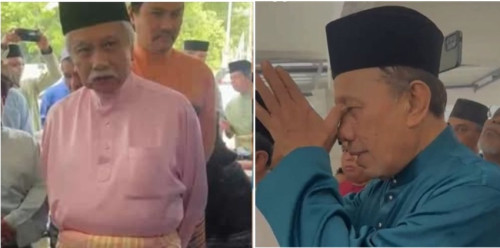

SABAH and Sarawak enjoy and equal legal standing over petroleum and gas found within their respective continental shelves, said Sarawak legal counsel Dato Sri JC Fong and Sabah Deputy Chief Minister I Datuk Seri Dr Jeffrey Kitingan.
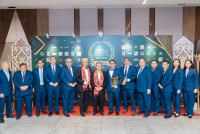
Fong, speaking at the Fifty Shades of Federalism forum at the Subang National Golf Club, said Sarawak retained full ownership of its petroleum resources when Malaysia was formed.
He cited the Malaysia Agreement 1963 (MA63) and the Sarawak Constitution, which ensured that land and resources previously vested in the British Crown were transferred to the state—not the federal government.
“The petroleum found in the seabed and subsoil of Sarawak, which was Crown land, was never vested by the British in the federal government,” he was quoted as saying by Dayak Daily.
Fong said the Cobbold Commission found that Sarawakians rejected any form of new colonisation under Kuala Lumpur, leading to the establishment of constitutional safeguards in MA63 and the Inter-Governmental Committee (IGC) Report.
“Articles 47 and 48 of the Sarawak Constitution read with the Malaysia Act 1963 of the United Kingdom, sovereignty over and assets and property rights and land in the Colony of Sarawak hitherto vested in Her Majesty Queen Elizabeth were never vested or transferred to the federation but vested and transferred in the State of Sarawak,” he said.
Fong also elaborated that under Article VIII of MA63, the Borneo States (Legislative Powers) Order 1963 granted Sarawak and Sabah authority over electricity and gas distribution.
“On Malaysia Day, when the Federal Constitution, as amended by the Malaysia Act 1963, came into force, item 2(c) of the State List (List II) of the Ninth Schedule, the legislative (and hence) executive powers over prospecting licences, mining leases and mining certificates (over minerals on land) belong to the State,” he said.
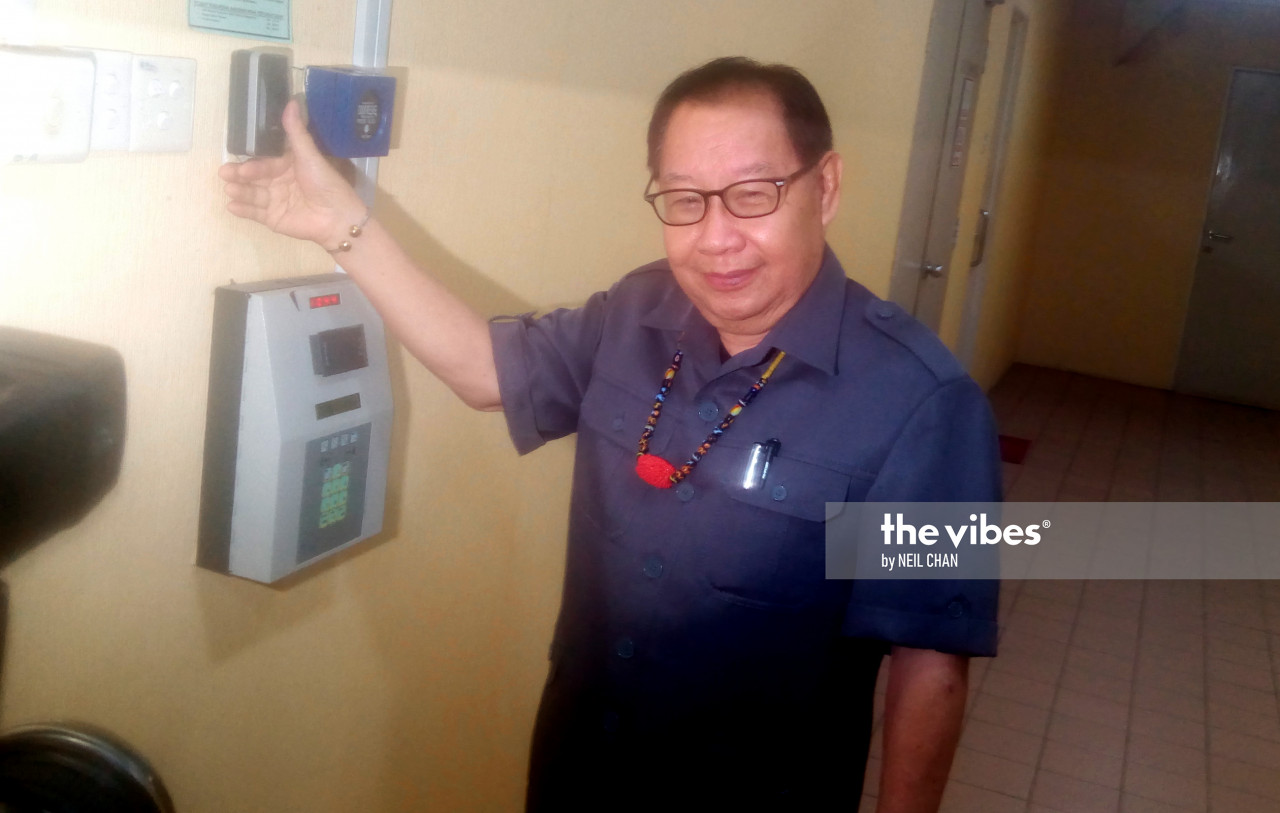
Kitingan, in a statement, insisted that Sabah’s rights over petroleum and gas mirror those of Sarawak and must be upheld.
“The land in Sabah and Sarawak, including the continental shelf and the resources beneath, has vested in our respective State Governments since 1954,” he said.
He pointed to the 1954 Orders in Council, which extended both states’ territorial boundaries to their respective continental shelves—boundaries recognised before Malaysia’s formation and later enshrined in Article 1(3) of the Federal Constitution.
“These boundaries were recognised before Malaysia’s formation and later enshrined in Article 1(3) of the Federal Constitution,” he said.
He cited Section 24 of the Sabah Land Ordinance, which reserves petroleum and gas for the state, similar to Sarawak’s legal framework.
In 1969, then-Chief Minister Tun Mustapha signed six oil exploration agreements with international oil firms, securing a 12.5% royalty for Sabah.
However, this changed in 1976 when the state signed an agreement with Petronas, reducing its share to a 5% cash payment—a shift that also impacted Sarawak.
In 2018, under then-Chief Minister Shafie Apdal, the Sabah legislative assembly amended the Sabah Land Ordinance to extend its jurisdiction over its continental shelf, reinforcing its control over petroleum and gas resources.
Despite these provisions, Kitingan said Sabah was still shortchanged financially, receiving only RM20 million for its 5% share, while Petronas and the federal government took RM380 million, or 95% of the revenue.
“As our rights over petroleum and gas resources mirror those of Sarawak, we ought to receive equivalent benefits from Petronas—nothing more, nothing less,” he said.
Both Fong and Kitingan stressed that Sabah and Sarawak share the same constitutional and legal foundations, and any concessions granted to Sarawak should also apply to Sabah. - February 18, 2025